


Urban Lifestyle Magazines: City Living and Culture Guides


If you’re living in a city—or regularly visiting one—and want to keep your finger on the pulse of urban culture, design, food, style and city‑life trends, then a good urban lifestyle magazine can be a brilliant companion. This article will help you understand what makes a strong “urban lifestyle” magazine, point out some excellent UK (or UK‑accessible) titles, and give you personal tips and real‑life examples so you pick one that fits you.
Let’s dive in.
Why an urban lifestyle magazine still makes sense for city‑dwellers
Living in a city means you’re exposed to lots of culture, places, trends, style cues and experiences. A magazine dedicated to urban lifestyle helps you make sense of those things. Here’s why:
- It curates city‑living content rather than leaving you to wander through countless blogs or feeds.
- It gives ideas and inspiration for how to live well in a city: where to eat, how to design your flat, how to dress, what to do at the weekend.
- It offers breadth: design + culture + food + travel + local scenes.
- It can act as a pause: you pick up a magazine, sit back and reflect on your own city life—“How can I make my flat more me?”, “Which new neighbourhood should I check out?”
- From my personal experience: I once picked up a city‑living magazine while on the tube, and found a piece on converting a city balcony into a mini garden. I took it as a weekend project and it became my favourite little spot.
So yes—if you live in or around cities it’s more than just “magazine reading”—it’s part of understanding your urban lifestyle.
What to look for when choosing an urban lifestyle magazine
Before you subscribe or buy regularly, here are the features that make a magazine genuinely useful for city living and culture.
✅ Key features to check:
- Focus on the city: Does the magazine cover urban issues—neighbourhoods, public spaces, city design, culture around city living?
- Design & editorial quality: Urban lifestyle is visual. Good photography, strong layout, and readability matter.
- Relevance to your interest: Are you into food & drink, design & interiors, travel from cities, city style, creative culture? Make sure the magazine aligns.
- Practical take‑aways: Does it give actionable advice (“how to live smaller in the city”, “best brunch spots this month”, “design hacks for small flats”) rather than purely aspirational?
- Digital vs Print fit: If you commute a lot you may prefer digital; if you like flipping through at home then print might be better.
- Frequency and budget: Monthly, bi‑monthly, quarterly? Subscription cost? Will you read it consistently?
- Local vs global coverage: If you live in a UK city, a UK‑focussed magazine might be more directly useful, but global coverage can also spark ideas.
My own quick decision process:
- I buy one issue and ask: “Did I find at least one article I’ll save or act on?”
- If yes, subscribe for 3–4 issues. If no, move on.
- I make a habit: one article per issue becomes “my idea of the month”—for example: check out a new neighbourhood, redesign a shelf, try a new brunch place.
- If after a few issues I’m not engaging, I switch magazine.
Top urban lifestyle & culture‑magazines accessible in the UK
Here are three titles I recommend—each with its own angle on urban living and culture.
1. Monocle
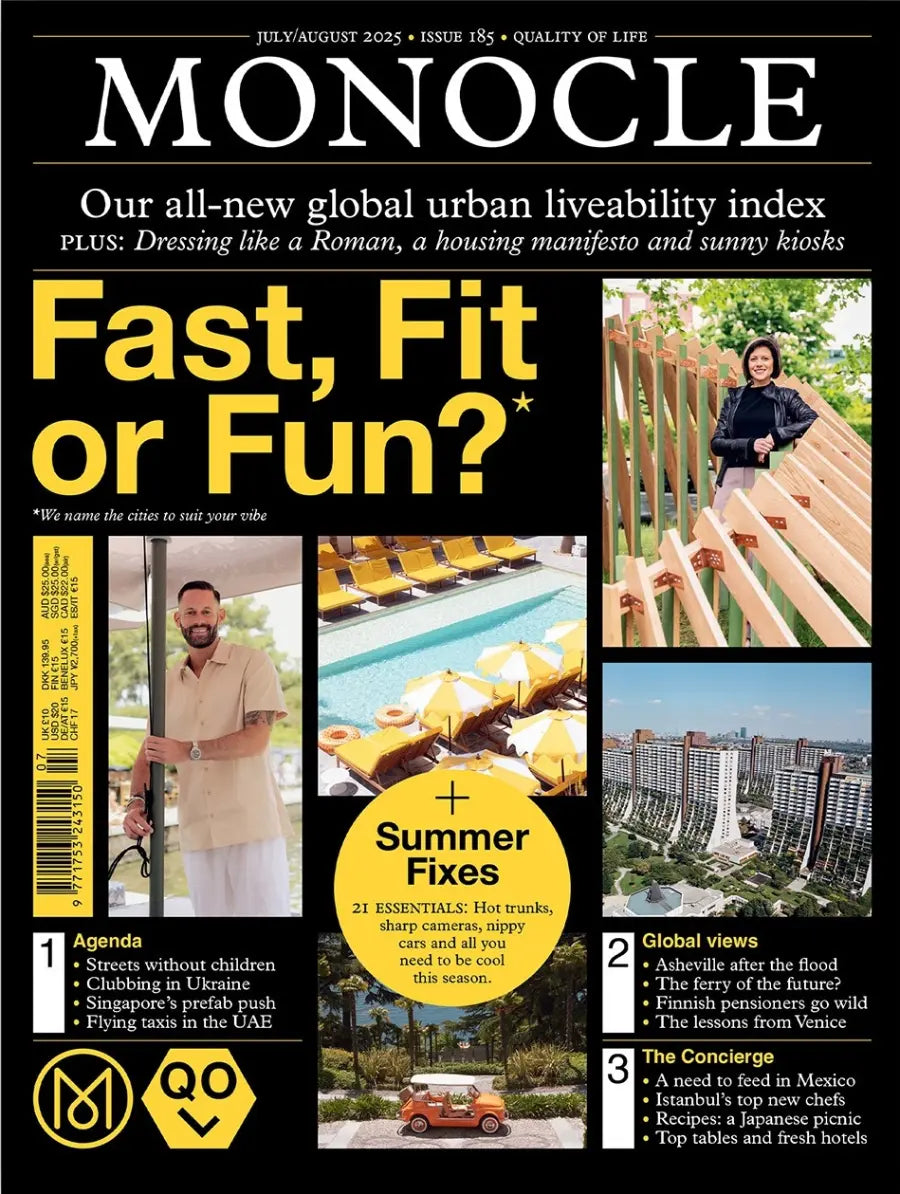
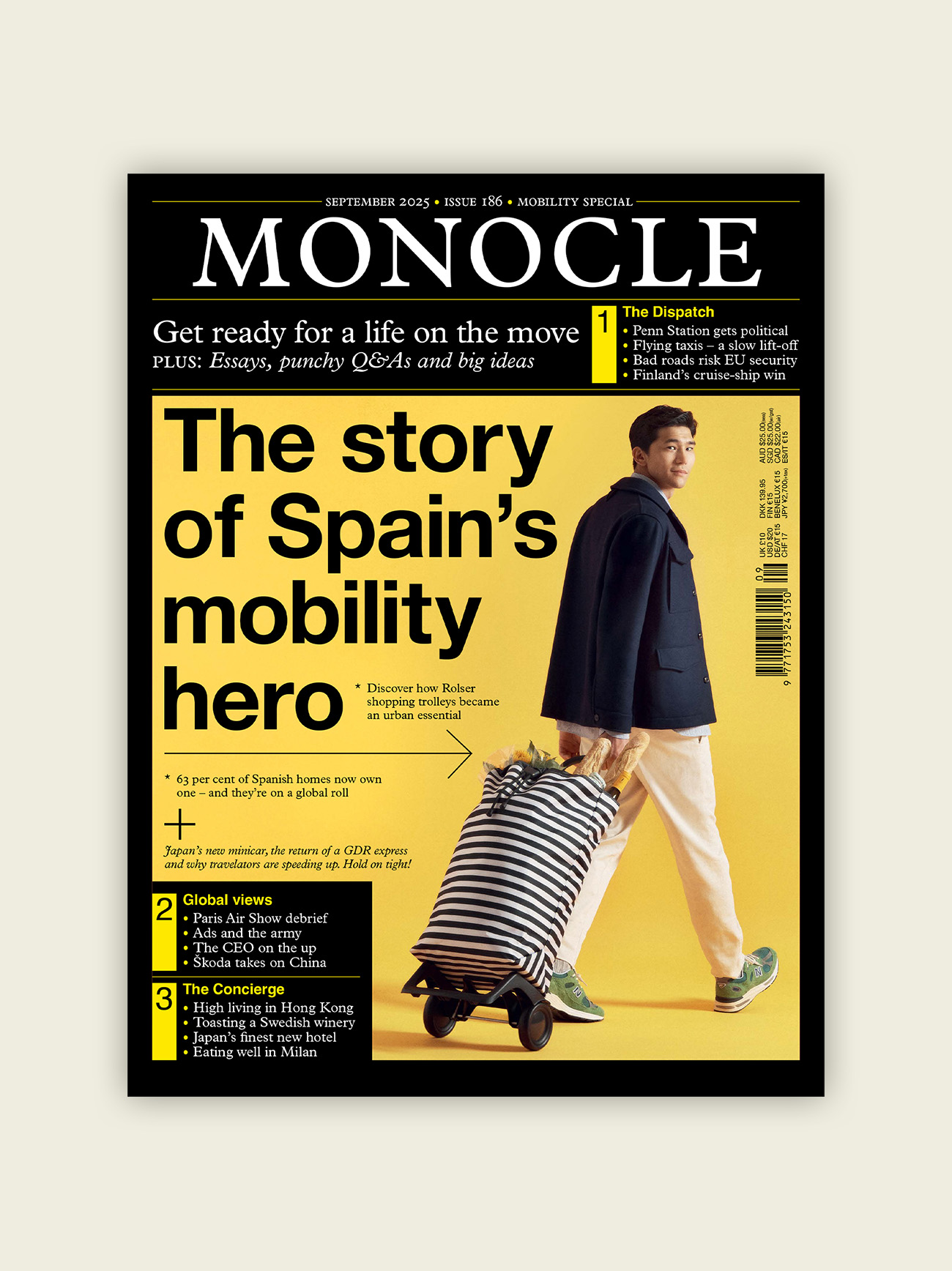
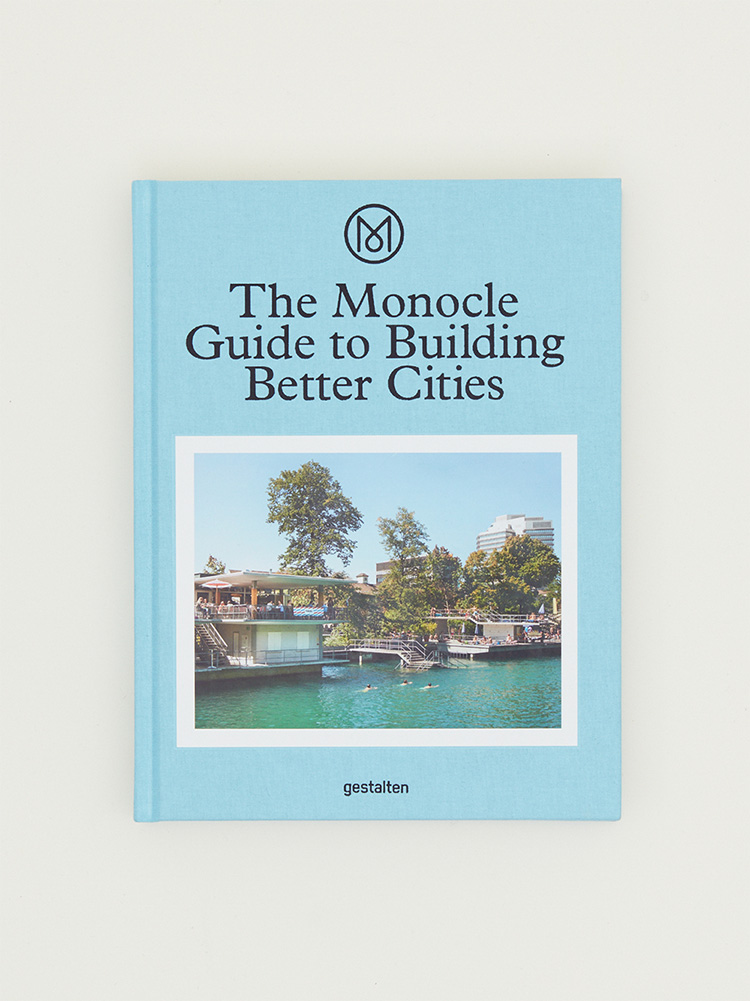
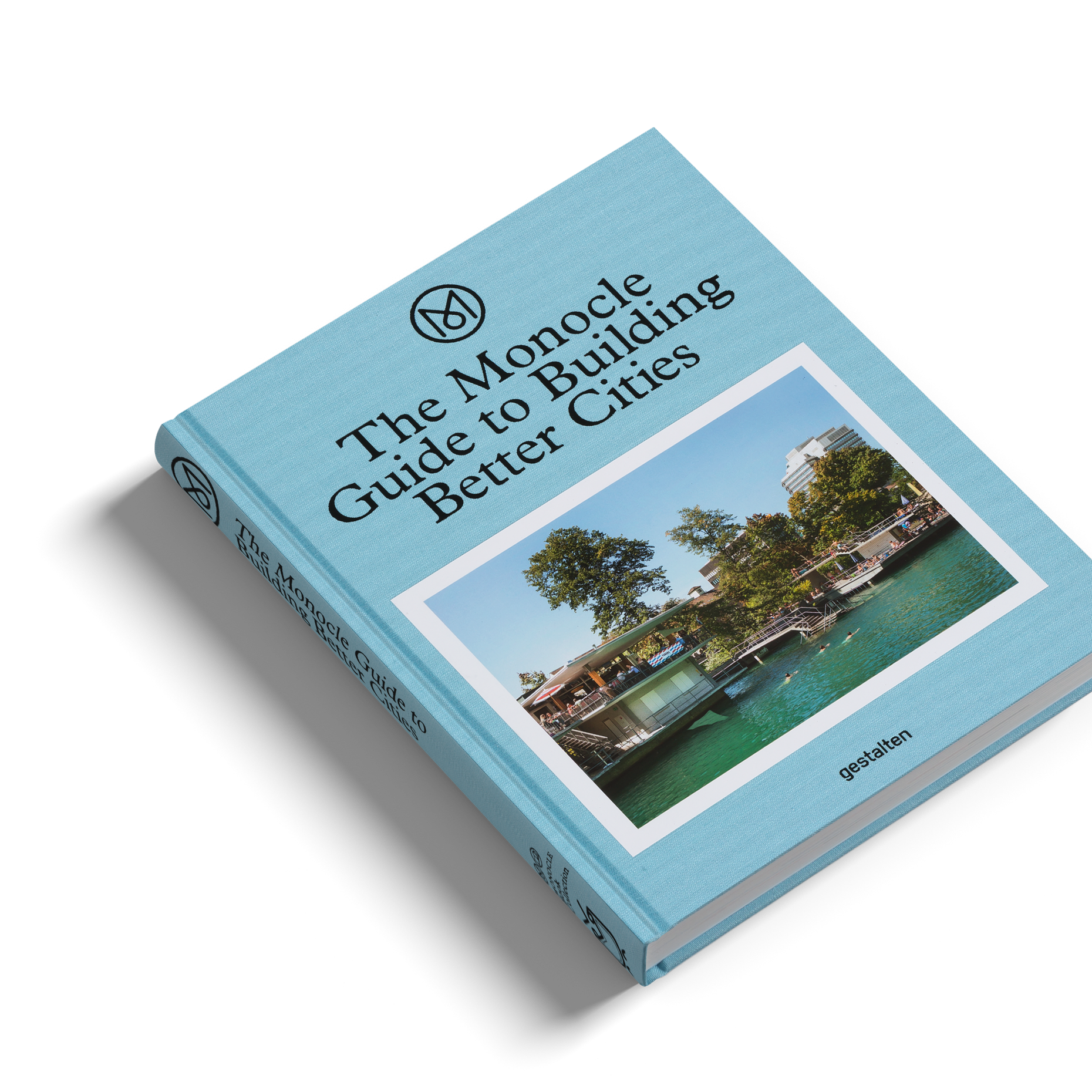
What it covers: Monocle is more than a lifestyle magazine—it mixes global affairs, design, urbanism, travel and culture. It has a strong UK / London presence and a clear urban‑living orientation. (Monocle)
Why I like it: It helped me see city living differently. One issue focussed on “how to build better cities”, and made me think about my neighbourhood—what’s good, what could be improved.
Best for you if: You’re interested in design, culture, city‑living not just style; you like deeper features.
Tip: Use it for inspiration rather than quick reads—set aside a relaxed hour with a good coffee.
2. Square Mile Magazine

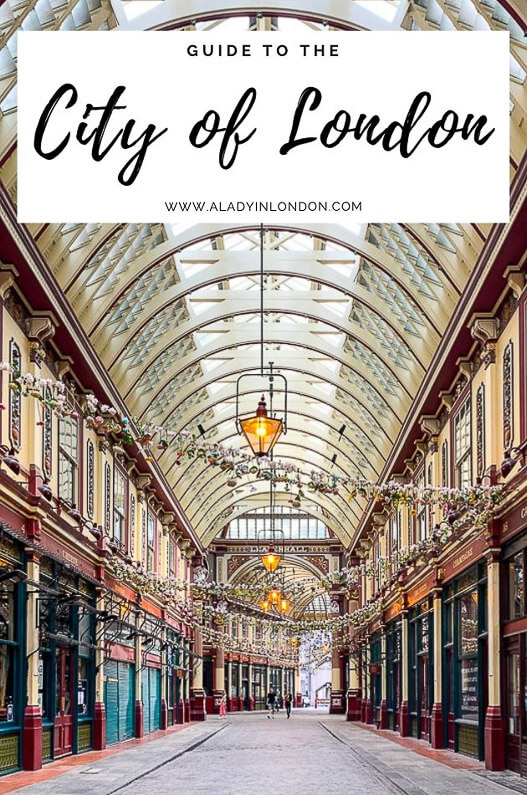

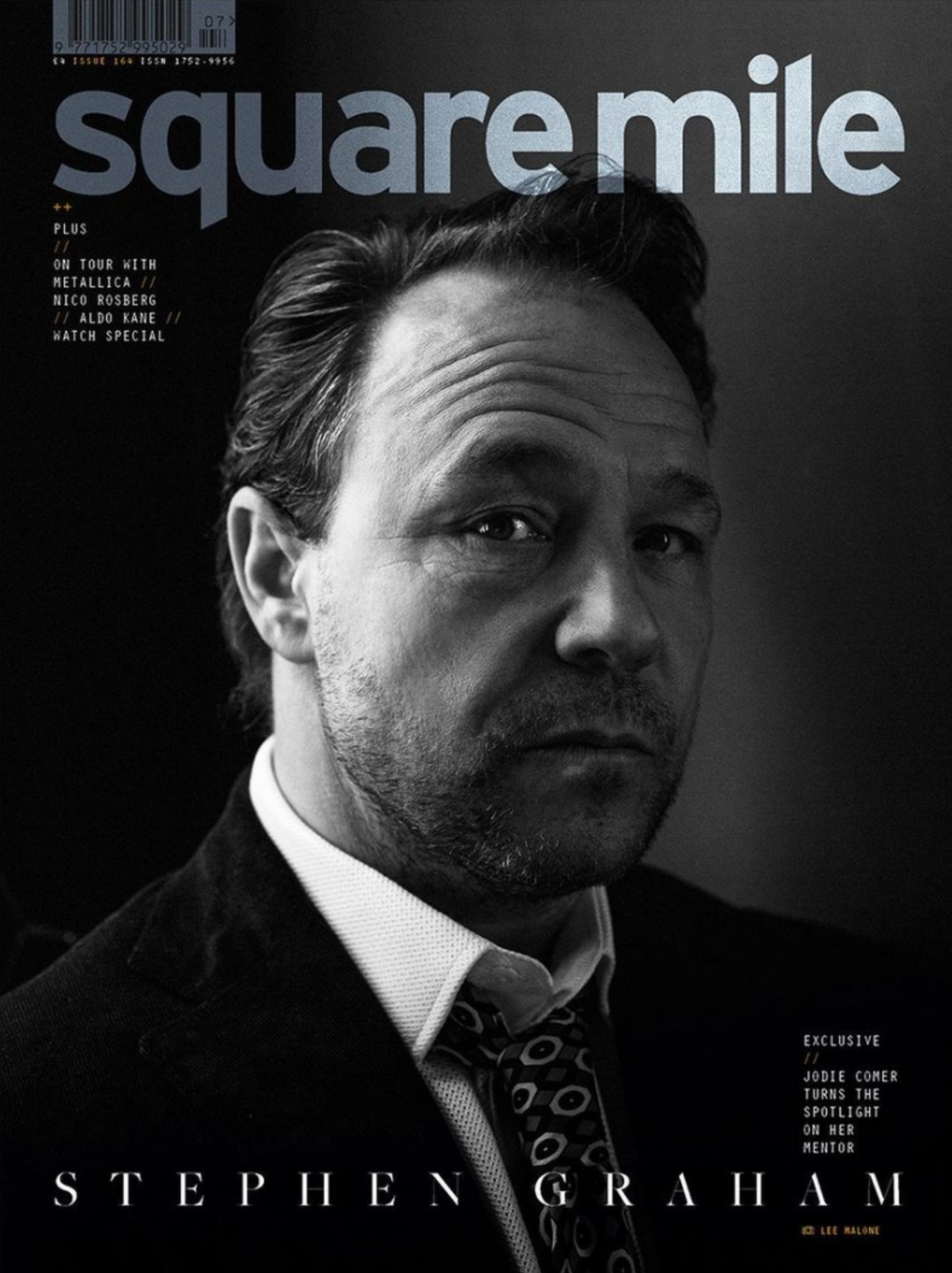
What it covers: Although initially focused on the City of London and professionals, it covers luxury, design, food & drink, urban property in a London‑centric way. (Wikipedia)
Why I like it: For city dwellers who are also career‑oriented and appreciate style + city lifestyle, it works well. I flipped through an issue and found a feature on “London’s hidden design spaces” which gave me ideas for weekend exploration.
Best for you if: You live in London or a major UK city, enjoy food, design, style and want city guides within your environment.
Tip: Use it as a “what’s on / what to check out” magazine—pin articles or places you want to visit next.
3. Chic Lifestyle Magazine (Urban Culture Edition)




What it covers: According to its site it covers “urban cultures: fashion, beauty, wellness and going out” in city contexts. (chiclifestylemagazine.co.uk)
Why I like it: It addresses how people live in cities—style, going out, wellbeing, the urban rhythm. For a millennial/Gen Z city lifestyle, it’s relevant.
Best for you if: You’re interested in the social, style and “night‑life / city leisure” aspects—not only design or travel.
Tip: Use it for inspiration on city outfits, nights out, local culture and taking advantage of your urban environment.
How to use an urban lifestyle magazine well
Owning a magazine is one thing—getting value from it is another. Here are actionable tips.
Action plan
- Pick one focus per issue
- e.g., a neighbourhood to explore
- a café or restaurant to try
- a design or home‑style tip
- a cultural event in the city
- Schedule reading time
- maybe Sunday morning with coffee
- or train commute (digital version)
- avoid just flicking through—aim to read at least one feature properly
- Make a “city‑list”
- When you read a good place/idea, jot it down: “Visit new wine bar in East London”, “Check out gallery in Manchester”.
- Over time, build your own urban map of places to try.
- Review after 3 issues
- Did you act on the suggestions? Did the magazine reflect your city life?
- If yes, keep it. If no, try a different title.
- Mix digital & print
- print for slower reads, relaxing at home
- digital for quick reads on commute or between meetings
- Localise what you read
- If you’re in Manchester, Glasgow, Birmingham… use the magazine’s ideas and adapt locally. Even features from London can spark inspiration in your own city.
My real‑life city‑living story
A few years ago I moved from a suburban town into a central UK city flat. I had limited space, and felt a bit overwhelmed by the “city lifestyle”—so many options, so many trends. I bought a copy of Monocle, and one article was about “micro‑homes and making the most of small city spaces”. I tried out some of the tips: vertical shelving, better lighting, a dedicated “chill zone” near the window. It changed how I saw my flat—it didn’t feel cramped, but vibrant. Also I used a dining out guide from Square Mile to discover a restaurant in London I wouldn’t have known about. These magazines became practical tools, not just glossy reads.
Summary: What you’ll get & what to watch out for
| Benefit | What to expect | What to watch out for |
|---|---|---|
| Inspiration for city living | Design ideas, new neighbourhoods, culture features | Too aspirational with no local relevance |
| Practical action ideas | “Try this café”, “change this home feature” | Magazine full of features you’ll never act on |
| Connection with urban culture | Food, art, wellbeing in cities | Too generic or globally vague |
| Visual appeal + quality time | Good photos, layout, dedicated reading moment | Poor print/digital quality or hard to read |
Final thoughts
If you live in a city and want your lifestyle to reflect more than simply “commute, eat, sleep, repeat”, then an urban lifestyle magazine is a smart investment. It helps you see your city differently, find new places, redesign your space, engage with culture and live more intentionally. The key is choose one that fits your interests and your schedule—and then use it actively.
If you like, I can prepare a broader list of 8‑10 urban lifestyle magazines (UK and international) with their subscription costs, special features, digital vs print formats so you can compare side‑by‑side. Would you like that?
