


Stress Management Techniques That Work: 15 Evidence-Based Methods

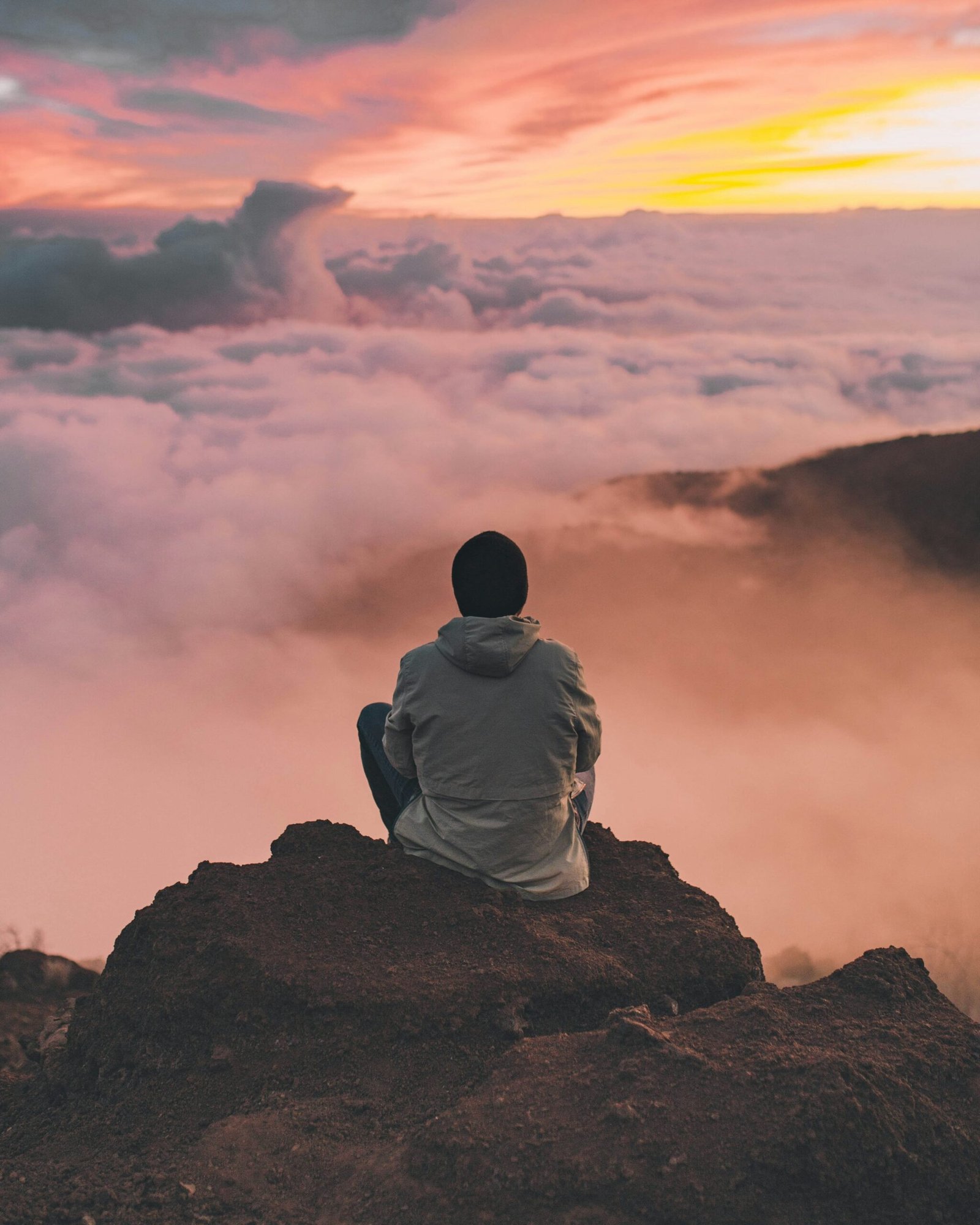
Stress isn’t just feeling “a bit frazzled”. Over time it can affect sleep, mood, muscles, digestion, immune system and more. The good news? There are techniques that work, backed by evidence, and you don’t need to wait for a “quiet life” before you try them.
According to clinical reviews, mind-and-body approaches such as meditation, breathing exercises, yoga or biofeedback show good benefit in reducing stress and anxiety symptoms. (NCCIH)
In this article I’ll share 15 evidence-based techniques, plus my own tips and how they’ve helped me or people I know — so you can pick a few that fit your life and start feeling better.
How I realised I needed stress tools
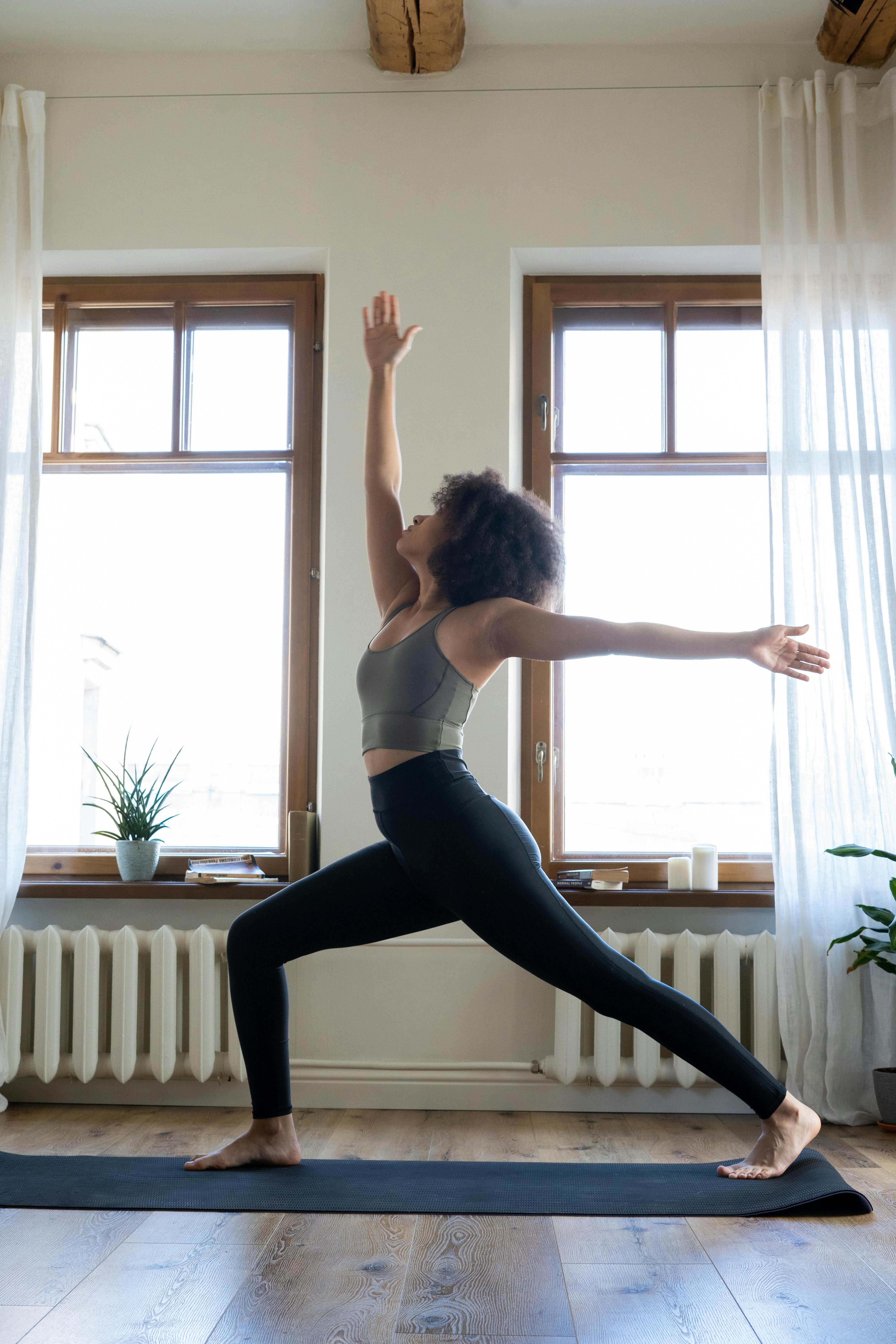
Photo by Pexels
A few years ago I had a period where work, family, commuting and other commitments all piled up. I noticed I was waking up stiff, my sleep was patchy, I was snappy, and even simple tasks felt heavier. I tried powering through, but the usual “just relax on Sunday” didn’t cut it.
So I started experimenting — short breathing exercises in the morning, a 10-minute walk after work, a “digital sunset” before bed. Within a few weeks things shifted: I woke up less tense, little aches faded, I felt more in control. None of these were massive sessions — just consistent small changes.
Throughout this article you’ll find tips like this (what I did, what worked) alongside the evidence-based techniques — so it’s not just theoretical.
Technique 1: Deep breathing / diaphragmatic breathing
What it is: Breathing slowly and deeply (often into your belly rather than shallow chest breathing) to trigger the body’s relaxation system.
Why it works: Research shows breathing techniques can help activate the parasympathetic (“rest & digest”) nervous system, reduce heart rate, or lower stress hormones. (Social Work Institute)
How to do it:
- Sit comfortably or lie down.
- Place one hand on your chest, one on your belly.
- Inhale through the nose for ~4 seconds, letting your belly rise.
- Exhale slowly for ~6-8 seconds, letting your belly fall.
- Repeat for 2-5 minutes.
My tip: I do this first thing after switching off the alarm — 3 deep breaths then 3 minutes of breathing. It helps me arrive into the day without all the “rush” already in me.
Technique 2: Mindfulness / Meditation
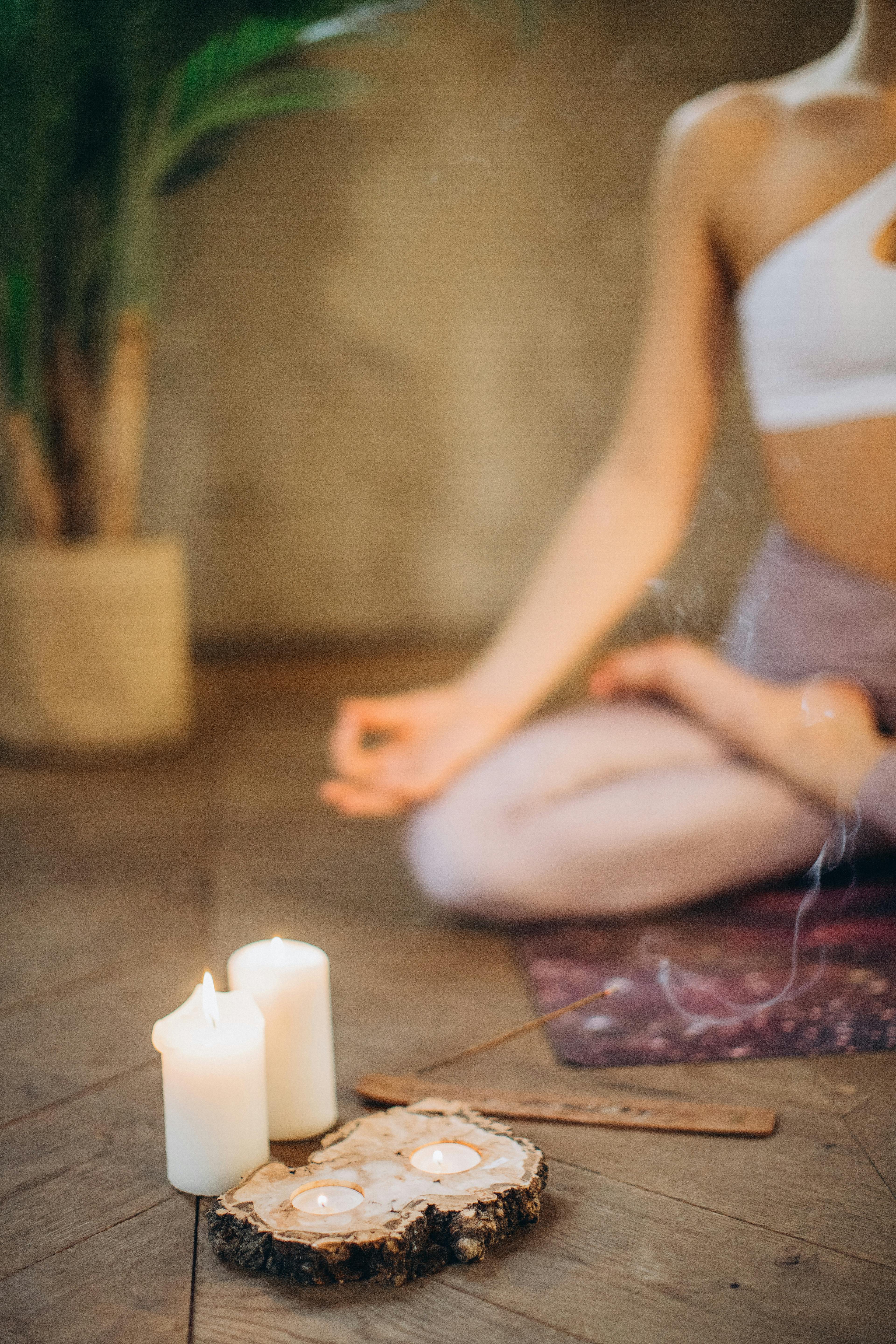
Photo by Pexels
What it is: Paying deliberate attention to your thoughts, breath or body in the present moment, without judgement.
Why it works: Evidence shows mindfulness-based stress reduction (MBSR) can reduce anxiety, improve emotional regulation and lower stress markers. (NCCIH)
How to do it:
- Choose a quiet spot, sit comfortably for 5-10 minutes.
- Focus on your breath. When your mind wanders, gently bring it back.
- You might use a guided app or simply timer+bell.
My tip: I used a “5 minutes before bed” version. I set a reminder, put phone on do-not-disturb, and sat on the edge of the bed. Just enough to calm the mind before sleep.
Technique 3: Progressive Muscle Relaxation (PMR)

Photo by Pexels
What it is: Systematically tensing and then relaxing different muscle groups, so you become aware of tension and how to release it.
Why it works: Studies find PMR reduces symptoms of stress and anxiety across different groups. (iResearchNet Psychology)
How to do it (10-minute version):
- Sit or lie down.
- Start with feet: tense for ~5 seconds, release for ~10 seconds.
- Move up: calves → thighs → buttocks → back → arms → neck → face.
- Finish with a full body relax for ~30 seconds.
My tip: If I’ve had a day of sitting at a desk, I’ll do PMR on the sofa before bed. It helps me shift off from “work mode” to “rest mode”.
Technique 4: Physical Activity / Exercise
What it is: Moving your body — brisk walking, jogging, swimming, cycling, stronger workouts.
Why it works: Physical activity helps reduce stress by releasing endorphins, improving mood, and reducing physiological stress responses. (psychnewsdaily.com)
How to do it:
- Aim for 150 minutes a week of moderate activity (≈ 30 mins × 5 days) or shorter bursts if that’s easier.
- On stressed days: even a 10-minute walk can help.
My tip: On my busiest work days I schedule a 12-minute walk right after I switch off work. That “transition time” helps me shed the mental load before the evening
Technique 5: Time-Outs and Micro-Breaks

Photo by Pexels
What it is: Short breaks during your day to step away, re-centre, take a breath.
Why it works: Constant stress builds up. Micro-breaks allow your nervous system a brief reset. Research on work settings highlights value of rest and recovery. (PubMed)
How to do it:
- Set timer/reminder for every 60-90 minutes.
- Stand, stretch, look out of a window for 1-2 minutes.
- Breathe deeply, drink water.
My tip: I always keep a “window-grow plant” by my desk. When I get up and look out, I chat to it 😉 — it forces me to shift my gaze, move, breathe.
Technique 6: Good Sleep Hygiene
Photo by Pexels
What it is: Habits and environment that promote restful sleep.
Why it works: Poor sleep increases stress, lowers your resilience to everyday challenges. Better sleep means better stress handling.
Key habits:
- Go to bed and wake at roughly the same times every day.
- Keep screens away 30-60 minutes before bed.
- Make your sleeping environment cool, dark and quiet.
- Avoid heavy meals, caffeine or alcohol near bedtime.
My tip: When I introduced a “screen-off 30 mins before bed” rule, I noticed less brain-rumble when lying in bed. My sleep felt deeper, and mornings were less groggy.
Technique 7: Social Connection & Support

Photo by Pexels
What it is: Reaching out, sharing your feelings, spending time with people who understand or support you.
Why it works: Humans are social creatures. Feeling isolated increases stress; connection reduces it. The literature also notes that social support helps in coping.
How to do it:
- Schedule a weekly catch-up (with friends, family).
- Join a club or group with shared interest (walking group, book club).
- If you’re feeling stressed: talk about it with someone you trust.
My tip: I once joined a “Thursday evening pub-walk” group. Fee: one pint. Benefit: movement + chat + fresh air. Win-win when I was burning out.
Technique 8: Cognitive Behavioural Strategies (CBT-style)

Photo by Pexels
What it is: Recognising and changing unhelpful thoughts, behaviours and reactions to stressors.
Why it works: Research shows CBT and related techniques are effective for stress and anxiety. (NCCIH)
Simple way to do it:
- When a stress thought comes (“I’ll never finish this report”), pause and ask: “Is that true? What’s another way of seeing this?”
- Replace it with a more balanced thought: “It’s important, but I’ve done similar work before and I can make progress.”
- Follow up with a small action: maybe one step you can do now.
My tip: I keep a little notebook. Each evening I jot one “stress thought” and a counter-thought. Over time the bad ones feel less overwhelming.
Photo by Pexels
What it is: Imagining a calm scenario (beach, forest, favourite place) using all your senses to induce relaxation.
Why it works: Guided imagery has been shown to activate the relaxation response and reduce stress. (Verywell Mind)
How to do it:
- Sit or lie comfortably for 5 minutes.
- Close eyes, picture a place you love. Notice colours, sounds, smells, feelings.
- Breathe slowly, imagine being there.
- When you’re done, slowly come back to the room.
My tip: I use an audio track when I’m travelling (on train or plane) — 5 minutes of imagery helps me arrive less frazzled.
Technique 10: Progressive Planning & Time-Management
Photo by Pexels
What it is: Managing tasks, scheduling, breaking large things into smaller actionable steps to reduce feelings of overwhelm.
Why it works: Many stressors come from feeling out-of-control or behind schedule. Being organised reduces that.
How to do it:
- At start of each week list 3-5 key tasks (not dozens).
- Each evening pick 1 thing you will do tomorrow.
- Use your calendar/block-time for non-negotiables (exercise, social time, wind-down).
- When something pops up and feels overwhelming: “What’s the next small step I can take?”
My tip: I adopted a “Sunday 10-minute planning session”. I sit with my diary and just pick my top 3 for the week. That simple act calms the “Monday freak-out” I used to have.
Technique 11: Healthy Habits – Food, Sleep, Movement

Photo by Pexels
What it is: Basic lifestyle habits – regular movement, balanced meals, limiting alcohol/caffeine, staying hydrated, decent sleep.
Why it works: Poor lifestyle amplifies stress. Good habits give your body a stronger baseline to cope with it.
What to try:
- Eat balanced meals with protein, veg, whole grains.
- Try to move at least 10,000 steps or a 30-minute walk.
- Limit late-night caffeine, try not to use alcohol as a “stress crutch”.
- Drink water throughout the day.
My tip: When I’m especially busy, I try to stick to one “anchor habit”: e.g., “I will walk after lunch” or “I will drink a large glass of water before all other drinks”. Just one small habit helps me feel less chaotic.
Technique 12: Decluttering Your Environment & Mind
Photo by Pexels
What it is: Tidying your space, reducing distractions, organising digital/paper life so you feel less mentally “busy”.
Why it works: Visual/cognitive clutter increases stress. Simplifying your environment helps calm your mind.
How to do it:
- Spend 10 minutes each evening clearing surfaces or inboxes.
- Set a “digital sunset”: stop checking email/screens 1 hour before bed.
- Create “zones” for work vs rest in your home if possible.
My tip: I turned off “all” notifications except a few in my phone. The reduction in pinging sounds alone made a difference in how tense I felt.
Technique 13: Nature & Green Time
What it is: Spending time outdoors — a walk in a park, sitting under a tree, even looking at nature photos.
Why it works: Exposure to natural environments has been shown to reduce cortisol and help restore attention and mood.
How to do it:
- Find a green space near you, go for a 10-minute walk.
- At work break: step outside instead of staying indoors.
- On weekends: schedule “nature time” as non-negotiable.
My tip: In London I used to commute past a small canal path — I’d stop for 5 minutes just leaning rail, listen to water, whatever. That bit of green time quietly reduced tension.
Technique 14: Creative Activities or Hobbies

Photo by Pexels
What it is: Doing something you enjoy – drawing, music, gardening, cooking – something that shifts your focus away from stress.
Why it works: It gives your brain a break from stress loops, and engaging in something meaningful boosts mood.
How to do it:
- Pick one hobby you genuinely like (not feel you “should” do).
- Set a regular time e.g., “Saturday morning I’ll cook something new*”.
- Let yourself enjoy it without pressure.
My tip: I picked up ukulele again (totally amateur). Even 15 minutes/week gave me “fun” that balanced “work” and “stress”.
Technique 15: Reflection & Gratitude

Photo by Pexels
What it is: Taking a few minutes to reflect on your day or note things you are grateful for.
Why it works: It shifts your focus from stressors to positives, strengthens resilience and builds perspective.
How to do it:
- Each evening, jot down one good thing that happened that day.
- Or answer: “What’s one thing I’m proud of today?”
- Keep this simple, just 2-3 lines.
My tip: I keep a small notebook by my bed. After lights-out (but before sleep) I write one “small win”. Over weeks I have a file of positive smalls that help when I feel worn.
How to choose and combine your techniques
Rather than trying all 15 at once (which is overwhelming), follow these steps:
- Pick 2-3 techniques that feel realistic for you (one lifestyle change + one stress-relief tool).
- Schedule them: e.g., breathing each morning, walk after work, gratitude each night.
- Measure lightly: At the end of each week ask: Did I do it? How did I feel?
- Adjust: If something isn’t working, tweak the time, the cue or the method.
- Add slowly: Once the first ones feel natural, you might add a third or fourth.
- Expect setbacks: Travel, spikes of workload, illness — it happens. The key is returning.
When to seek help
If despite your efforts you’re finding stress overwhelming, consistent worry, poor sleep, constant aches or mood problems, it might be time to talk with your GP or a mental-health professional. Techniques help, but they’re not a substitute for professional care when needed.
Final word
Managing stress isn’t about big heroic overhauls. It’s about small, consistent actions that build your resilience, calm your nervous system and give you more control. Try one or two of the techniques above, stick with them for a few weeks, notice the difference, and build from there.
Every step counts. Your body and mind will thank you for it.
Zarūr — aap ke article ke liye ye 3 Unsplash-choice featured images hain.
