


Solo Travel Safety Guide: Essential Tips for First-Time Independent Travellers

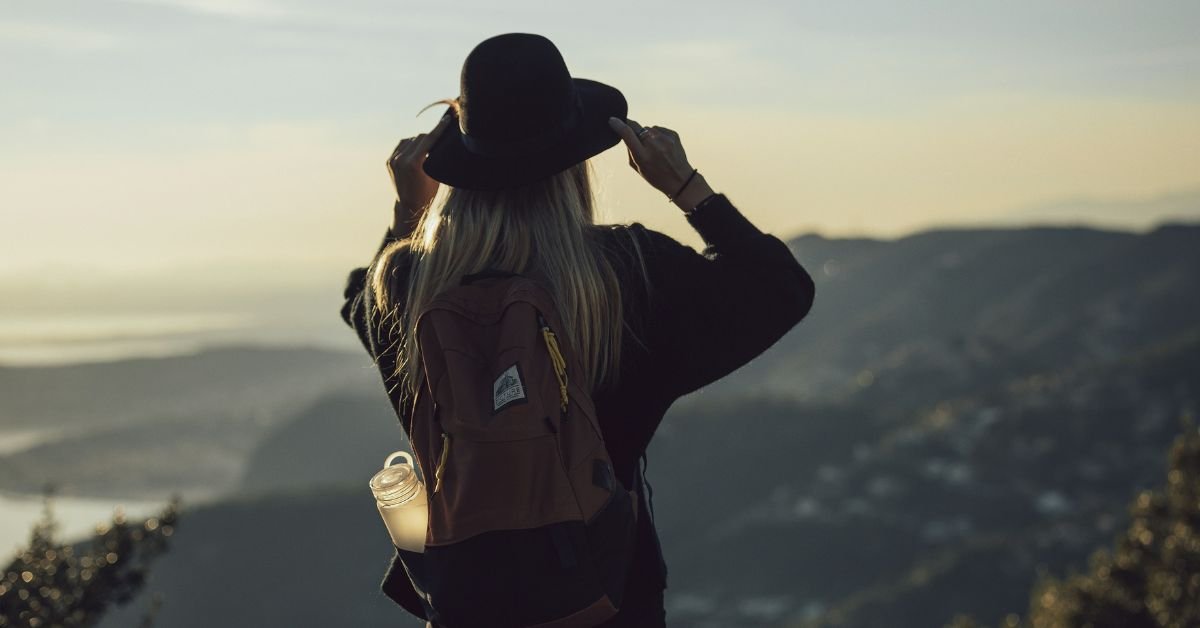
Travelling alone can be one of the most rewarding experiences of your life. You get to move at your own pace, meet people from all walks of life, and build confidence in ways you never imagined. But it also comes with challenges — especially when it comes to staying safe.
This guide is designed to help first-time solo travellers plan wisely, travel smart, and feel confident exploring the world on their own.
1. Start with Research and Preparation
Before you set off, do a bit of homework. Knowing what to expect makes a big difference — from understanding local customs to figuring out safe areas to stay.
What to look into:
- Local laws and customs – Some gestures, clothing, or behaviours may be seen differently abroad.
- Entry requirements – Check visa rules and vaccination needs on the UK government’s Foreign Travel Advice website.
- Neighbourhood safety – Look up maps, travel blogs, and recent reviews on where solo travellers tend to stay.
- Emergency contacts – Save local emergency numbers and the nearest British embassy details before you go.
A little planning upfront means you’ll spend less time worrying and more time enjoying yourself.
2. Choose Accommodation Wisely
Where you sleep affects how safe you feel. For first-time solo travellers, comfort and security are just as important as price.
Smart tips:
- Book your first night in advance – Don’t leave it to chance, especially if you arrive late.
- Read solo traveller reviews – Sites like Hostelworld, Booking.com, or Reddit’s travel forums often mention how safe guests felt.
- Stay central – Being close to transport, cafés, and attractions means less walking alone at night.
- Use door locks or wedges – A small rubber doorstop can add extra peace of mind in budget rooms.
3. Stay Connected Without Oversharing
It’s great to keep friends and family updated — but sharing your location in real time on social media isn’t always wise. Keep your circle small and trusted.
Practical habits:
- Let one friend know your daily itinerary and check in once a day.
- Avoid posting photos until after you’ve left a location.
- Keep copies of your passport, insurance, and booking info in secure cloud storage or emailed to yourself.
Apps like Find My Friends or Life360 can be handy, letting someone know where you are — without broadcasting it to the world.
4. Blend In, Don’t Stand Out
Looking confident and low-key helps you avoid unwanted attention. You don’t need to hide the fact you’re a tourist — just don’t make it too obvious.
Try this:
- Dress modestly and in a way that fits local culture.
- Walk with purpose, even if you’re a bit lost — pop into a shop to check directions instead of standing on the street with a map.
- Keep valuables out of sight — a cross-body bag is more secure than a rucksack on your back.
- Trust your gut — if somewhere feels off, leave straight away.
5. Stay Alert on Public Transport
Trains and buses are great ways to see new places, but they’re also where pickpocketing and scams can happen.
Quick tips:
- Sit near other passengers or the driver at night.
- Keep your bag zipped and on your lap.
- Avoid falling asleep in empty carriages.
- Buy tickets from official counters or apps to dodge fake sellers.
If you’re taking long journeys, store valuables in a small daypack that never leaves your side — not in the overhead bin.
6. Protect Your Money
Money safety can make or break your trip. The goal is to have easy access without putting all your eggs in one basket.
The essentials:
- Carry a mix of payment types – card, small cash, and maybe a backup prepaid travel card.
- Keep a spare card hidden separately from your main wallet.
- Use hotel safes for passports and most of your money when possible.
- Enable spending alerts on your bank app — they help you spot suspicious activity quickly.
7. Trust People, But Stay Cautious
One of the best parts of solo travel is the people you meet. Most are kind and genuine — but it’s still smart to stay alert.
- Be friendly, but don’t share where you’re staying until you feel comfortable.
- Avoid leaving drinks unattended.
- If someone offers “too good to be true” help, it probably is.
- Trust your instincts — if something feels wrong, it usually is.
Solo travel communities on Facebook or apps like Backpackr can connect you safely with other travellers nearby.
8. Take Care of Your Mental Health Too
Being alone for days can feel freeing — but sometimes, it gets lonely. That’s completely normal.
- Schedule calls with friends or family.
- Join walking tours or cooking classes to meet people naturally.
- Keep a journal — writing helps you stay grounded.
- Don’t pressure yourself to “be brave” every day; rest days are part of the adventure.
9. Prepare for Emergencies
It’s better to plan for emergencies before you ever face one.
- Save local emergency numbers and your embassy’s contact info.
- Keep a mini first aid kit — plasters, painkillers, rehydration salts, etc.
- Get comprehensive travel insurance that covers health, theft, and cancellations.
- Have a small stash of cash in a separate spot for backup.
Final Thoughts
Travelling alone can be life-changing. It teaches independence, confidence, and perspective — but safety should always come first.
The aim isn’t to be scared, but to be smart. With preparation, awareness, and a bit of common sense, solo travel can be just as safe as travelling with friends — and even more empowering.
So pack light, plan smart, and go with confidence — the world is waiting for you.
Photo by Bluewater Sweden on Unsplash
