


How to Stock Your Cupboard: Essential Ingredients Every Home Cook Needs

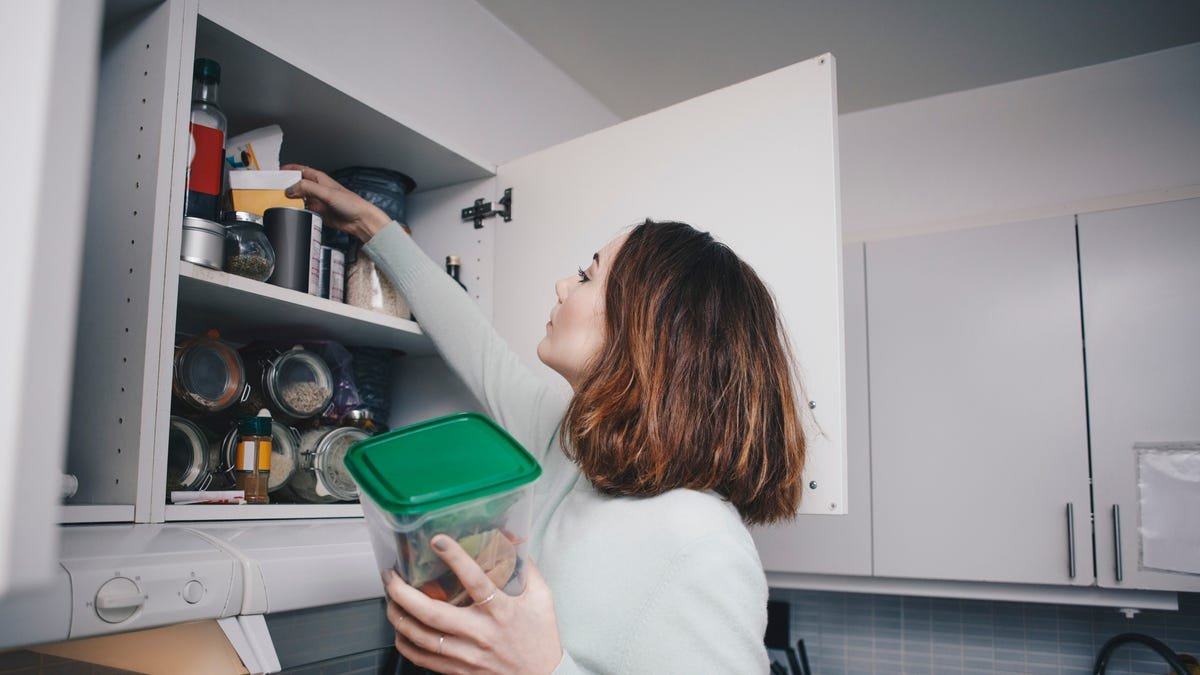
If you’re reading this, you’ve probably found yourself staring into your kitchen cupboards thinking: “I’d love to cook something proper tonight — but what do I actually have?” I’ve been there too. I’ll walk you through a practical, no-fuss guide to stocking your cupboards with the essentials, share a few of my own little habits that work, and include expert insight so you can build a supply that lets you cook flexibly, save money and reduce waste.
Let’s get started.
Why a well-stocked cupboard matters
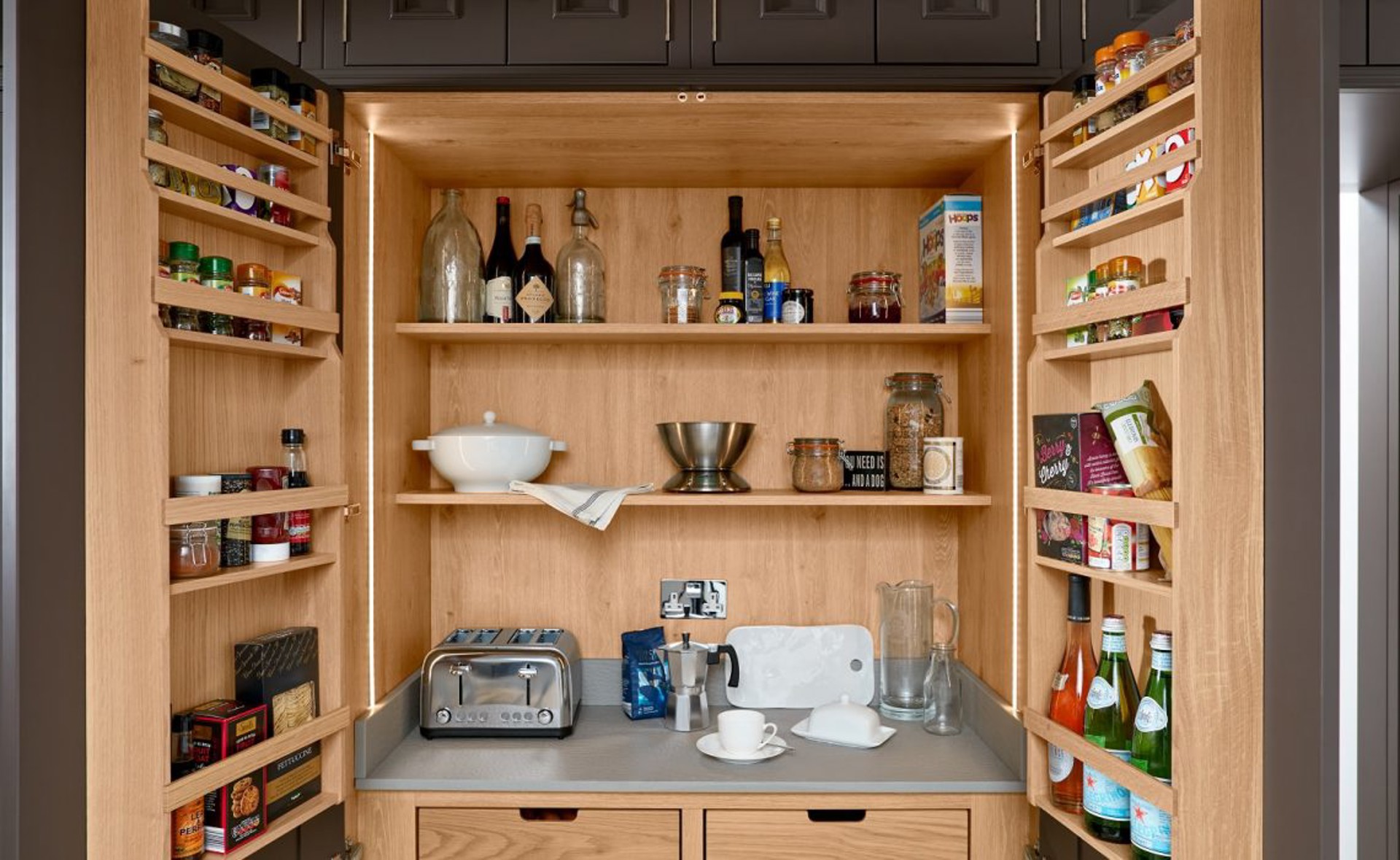
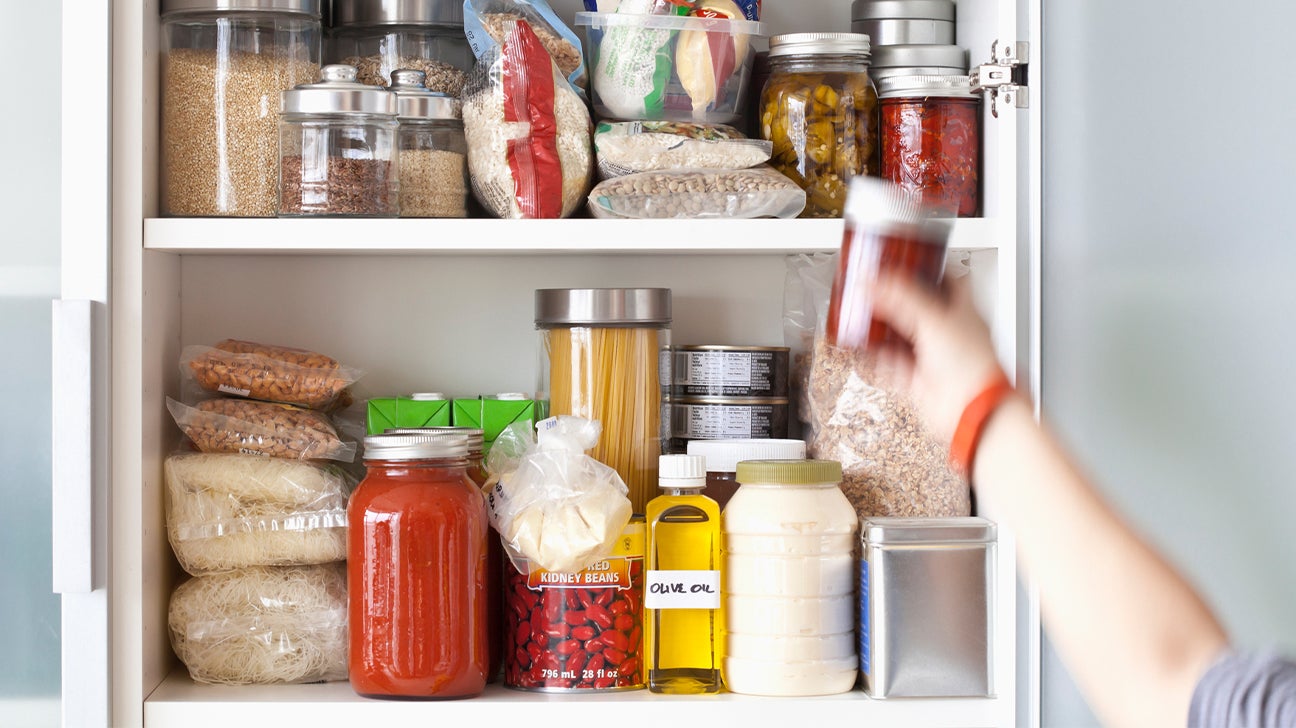

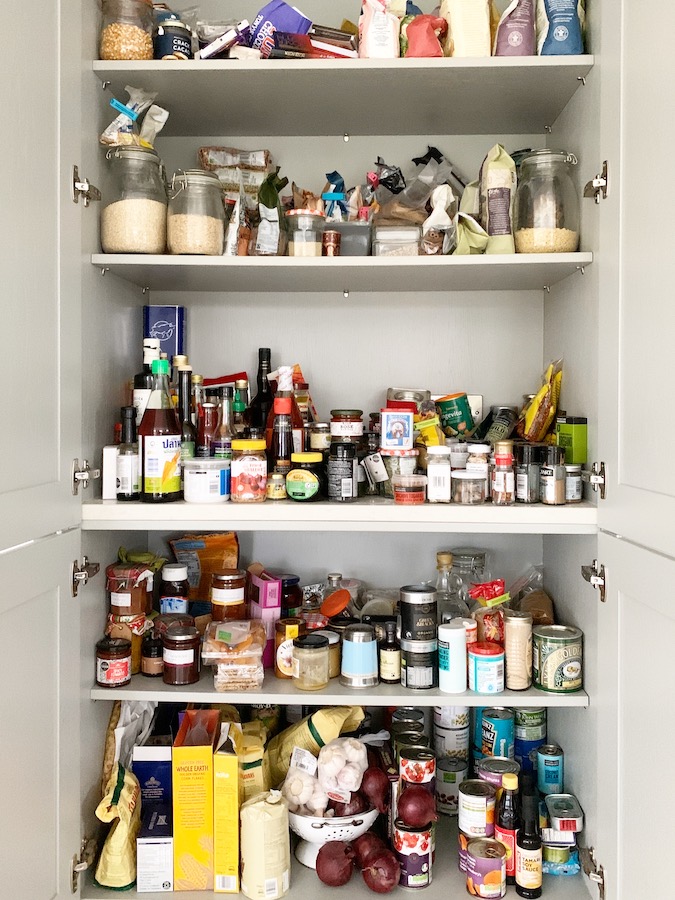

Before diving into lists, here’s why this matters:
- If you’ve got the right ingredients already in your cupboard, you’re less likely to order a takeaway or run out to the shop. That means more home-cooked meals.
- You’ll waste fewer ingredients. If you know what you have, you can use it before it expires or becomes forgotten at the back of a shelf. That point is supported by cupboard-organisation advice from UK sources. (MyJobQuote)
- Cooking becomes more relaxed. I know from personal experience: when I know I have a decent “back-up” stock, I don’t panic about dinner, and I feel more creative.
One cookery school says salt, oils, vinegars, tinned goods and dry goods are the backbone of storing for flexible cooking.
So, let’s see what you should stock — and how to do it sensibly.
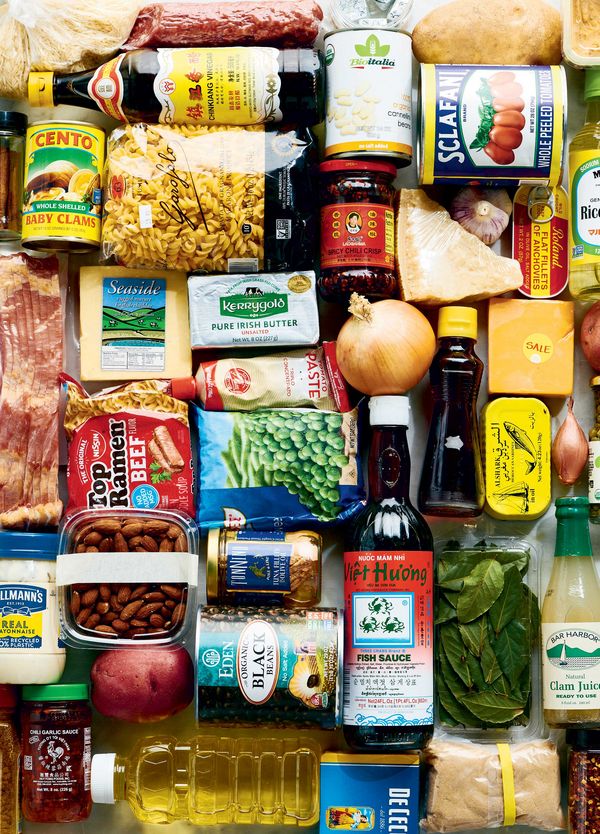
The core stash: must-have categories




Here’s a breakdown of categories, and inside each one, the essential items.
My tip: start with one item per category if your budget or space is tight, then build gradually.
| Category | Essentials | Why it matters |
|---|---|---|
| Dry staples / grains & pulses | Rice (basmati or long-grain), pasta, lentils, dried beans or chickpeas | These form the base for so many meals: curries, stews, salads. |
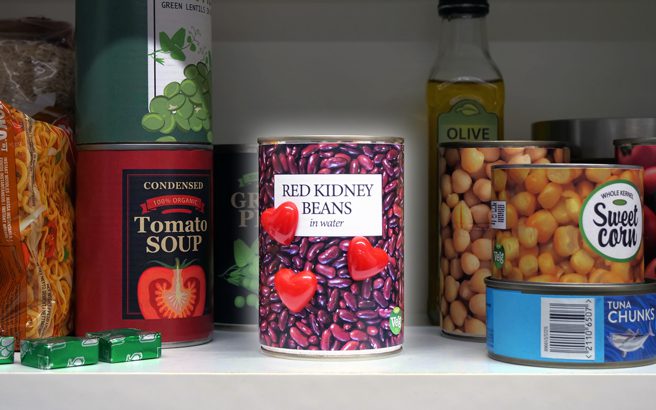
| Tinned / jarred goods | Tinned tomatoes, beans/chickpeas, tuna (or a fish-based protein), maybe sweetcorn or other veg | Quick add-ons for a meal: you’ve got flavour, texture and convenience. |
| Oils & vinegars | Olive oil (or a good general-purpose oil), a cooking oil (sunflower/rapeseed), a flavourful oil (maybe sesame or walnut if you fancy), vinegar(s) such as cider vinegar, balsamic or red wine vinegar | Dressings, marinades, finishing touches. These help turn simple ingredients into something nice. |
| Spices & seasonings | Salt/pepper, chilli flakes, smoked paprika, cumin, turmeric, dried herbs (oregano, thyme), maybe a curry-powder mix if you cook that style often | Even basic dishes taste much better when seasoned properly. UK home-cook lists agree. (superprof.co.uk) |
| Baking & sweet basics | Plain flour, self-raising flour, sugar (granulated and brown if possible), baking powder/bicarbonate if you bake | If you ever bake or make pancakes, you’ll thank yourself. |
| Freezer & extra backup | Frozen peas/mixed veg, frozen fruit (for breakfasts or baking), maybe a frozen ready meal for emergencies | A bit of backup for when fresh produce is low. |
| Feel-good flavour boosters | Dijon mustard, soy sauce, tomato paste, good stock cubes or stock concentrate, maybe a jar of olives or capers if you like Mediterranean cooking | These elevate meals from “just cooked” to “actually nice”. I treat these as optional but very useful. |
Real-life tip from me
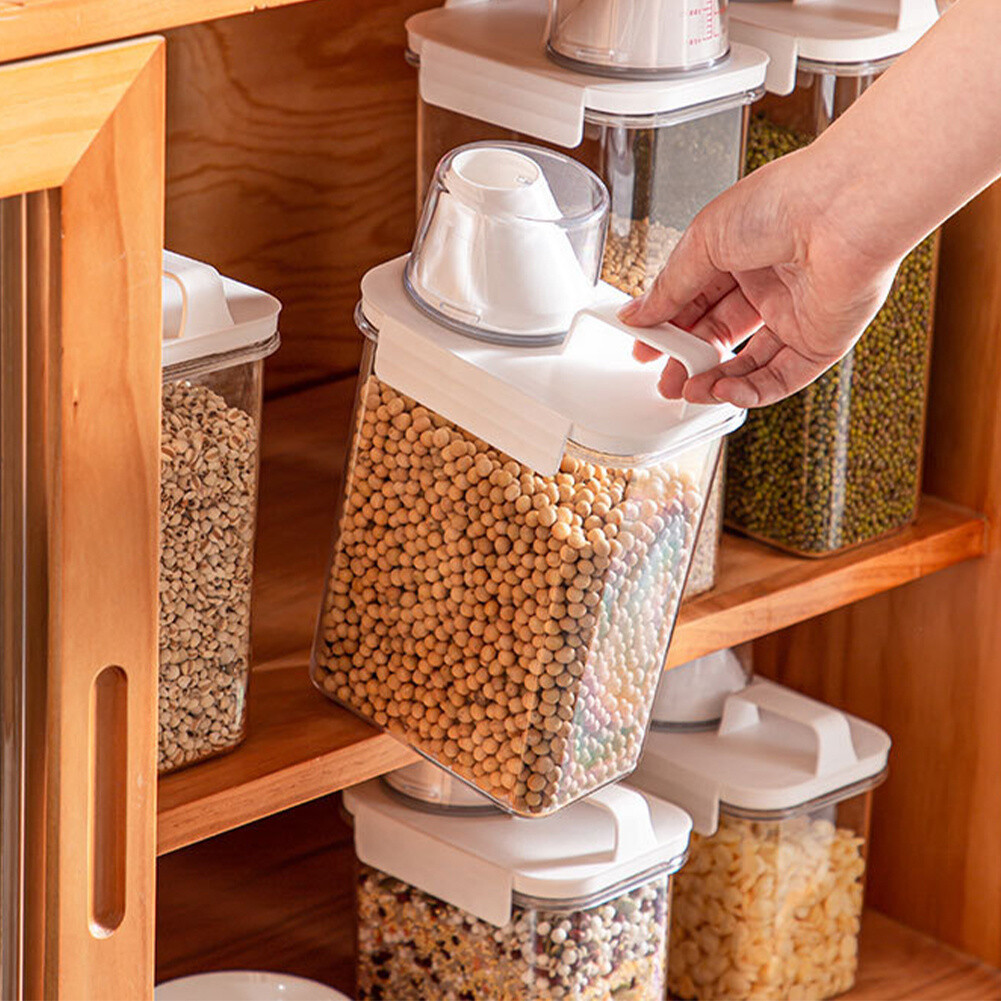
In my kitchen I keep one large glass jar labeled “Dry Goods” where I pour in rice or pasta when I buy them. It means I can see at a glance how much we have, and I’m reminded to use what’s there. I also keep a small “seasonings” drawer — nothing fancy — but it means when I reach for cumin or paprika I never have to dig. These little habits make using your store cupboard less of a chore.
How much to buy & restocking habits

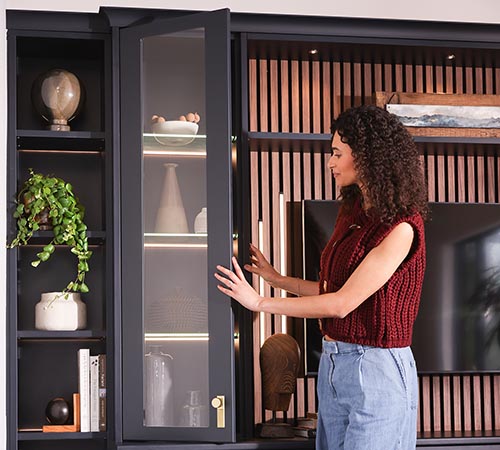
You don’t need to spend a fortune or hold mountains of tins. Here are my guidelines:
- For dry goods and staples: Buy enough for 2-4 weeks of usage. I find that for the size of our household (2 adults), one 1 kg bag of pasta and one big bag of rice suffices for 3-4 weeks if we supplement with fresh produce.
- For tinned goods: Keep perhaps 5-10 tins of different things (tomatoes, beans, tuna) as a minimum. Then replace one or two each shop so things don’t sit indefinitely.
- For spices: If you buy new spice jars, expect them to last 6-12 months. I always write the date I opened the jar on the lid.
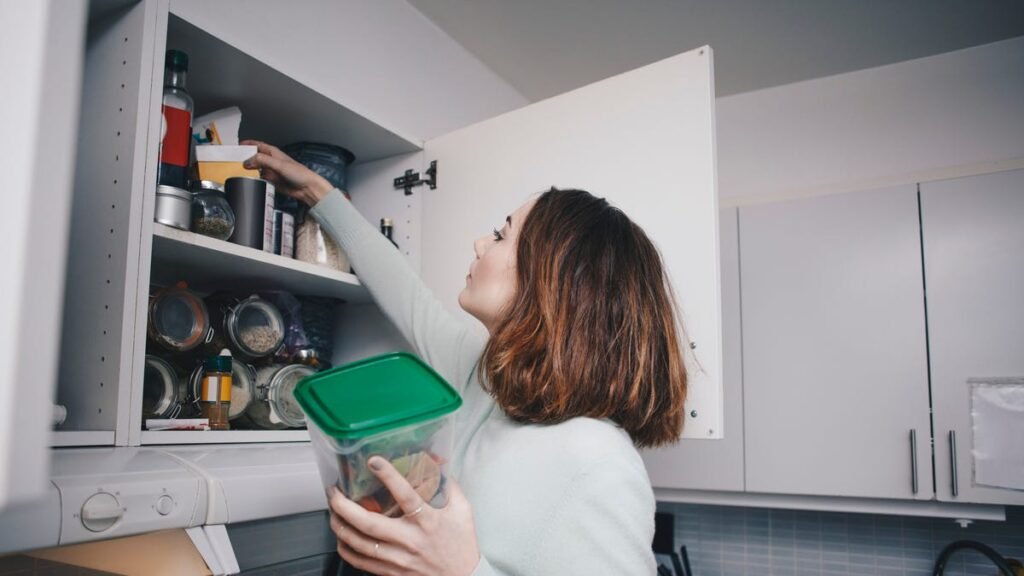
- Restocking habit: Before I head to the shop I open all cupboard doors and check what’s low or missing. Then I make a list of only what’s needed to top-up. This avoids random buying. Many UK organising guides recommend this habit. (MyJobQuote)
- Use before fresh shopping: If you see fresh produce about to spoil, plan a meal around your store-cupboard items plus those veg — that helps reduce waste.
Pro tip
Keep a small whiteboard or list on the inside of a cupboard door: when you finish something (eg the last tin of tomatoes), write “+tinned tomatoes” on the list. Then you know on your next shop you need one. It reduces “I thought I had some” confusion.
Building the cupboard by cuisine or style
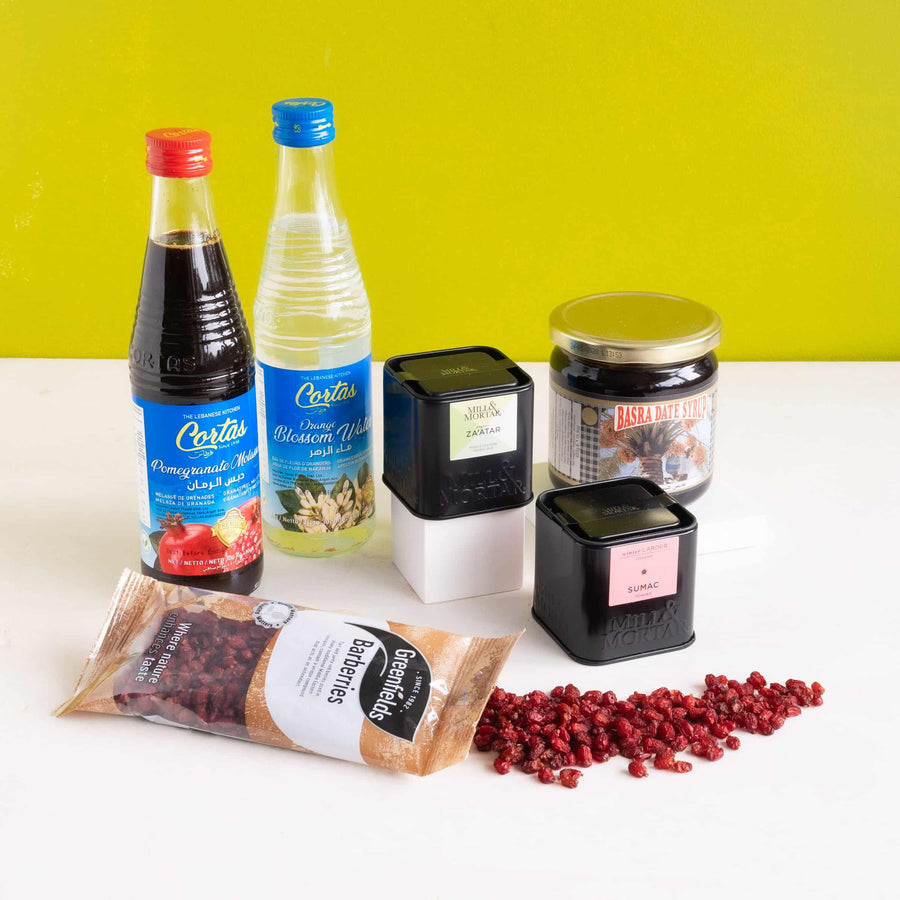

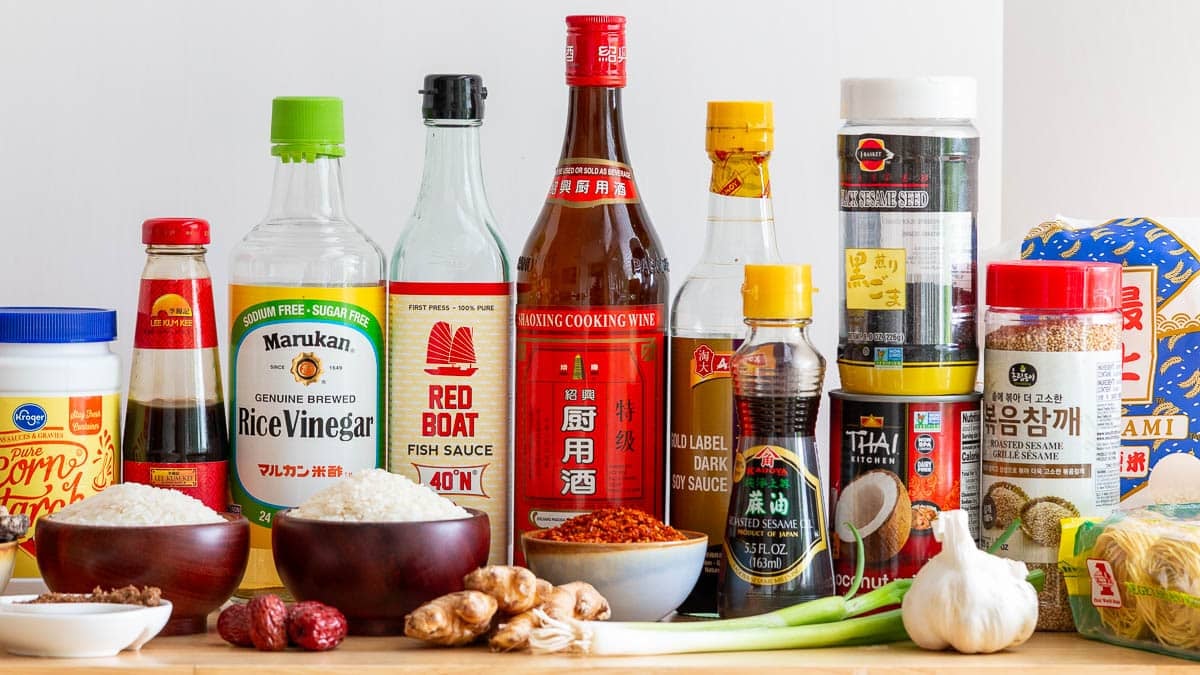
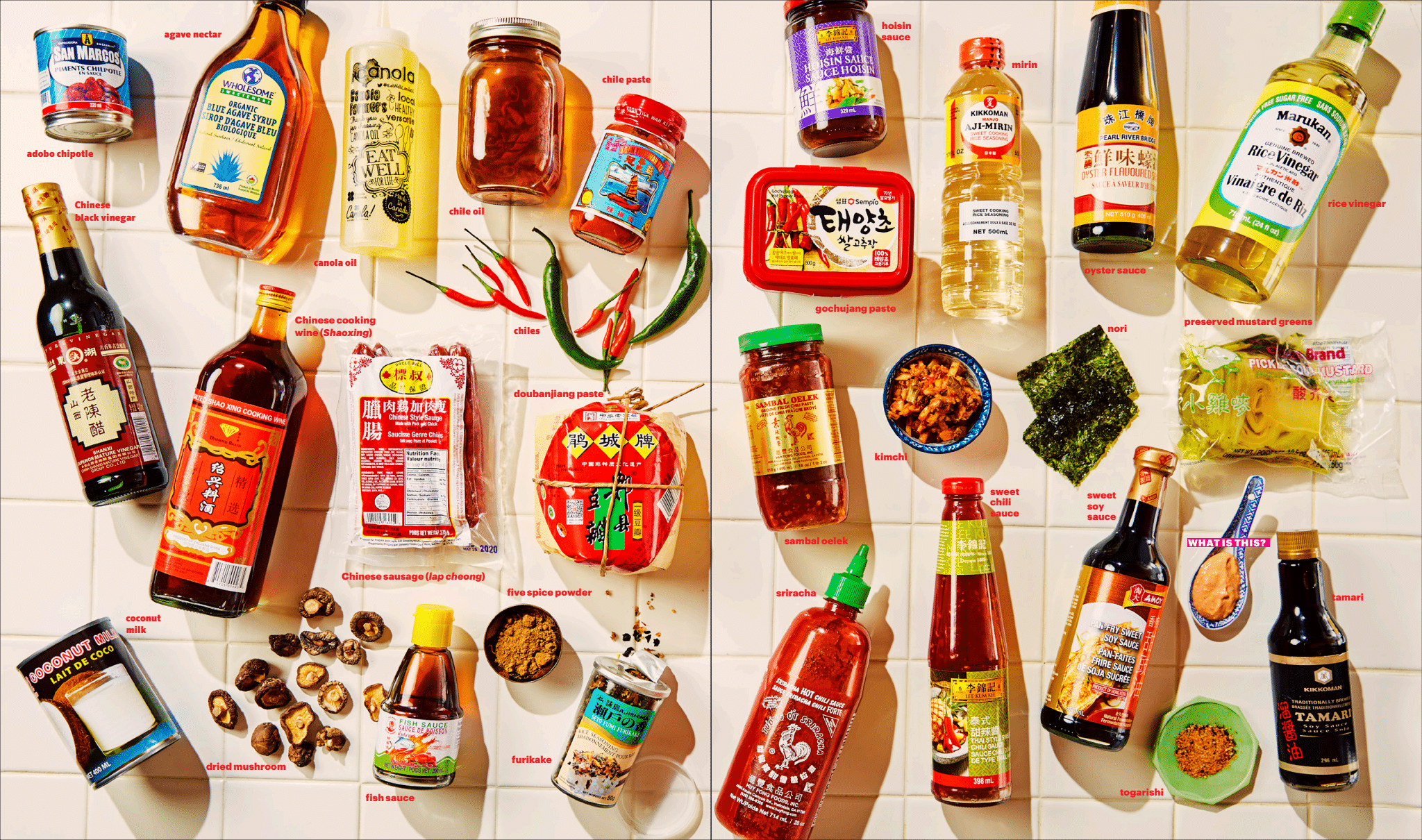

Once you have the core stash, you might want to tailor your cupboard to the kinds of cooking you do. Here are some mini-lists:
- Mediterranean / Italian style: Olives, sun-dried tomatoes, good canned tomatoes, pasta, dried oregano, capers, red wine vinegar, extra-virgin olive oil.
- Asian style: Soy sauce, sesame oil, fish sauce (if you eat fish), rice-noodles or udon, tinned coconut milk (if you cook curries), chilli-flakes, ginger/garlic paste (or frozen cubes).
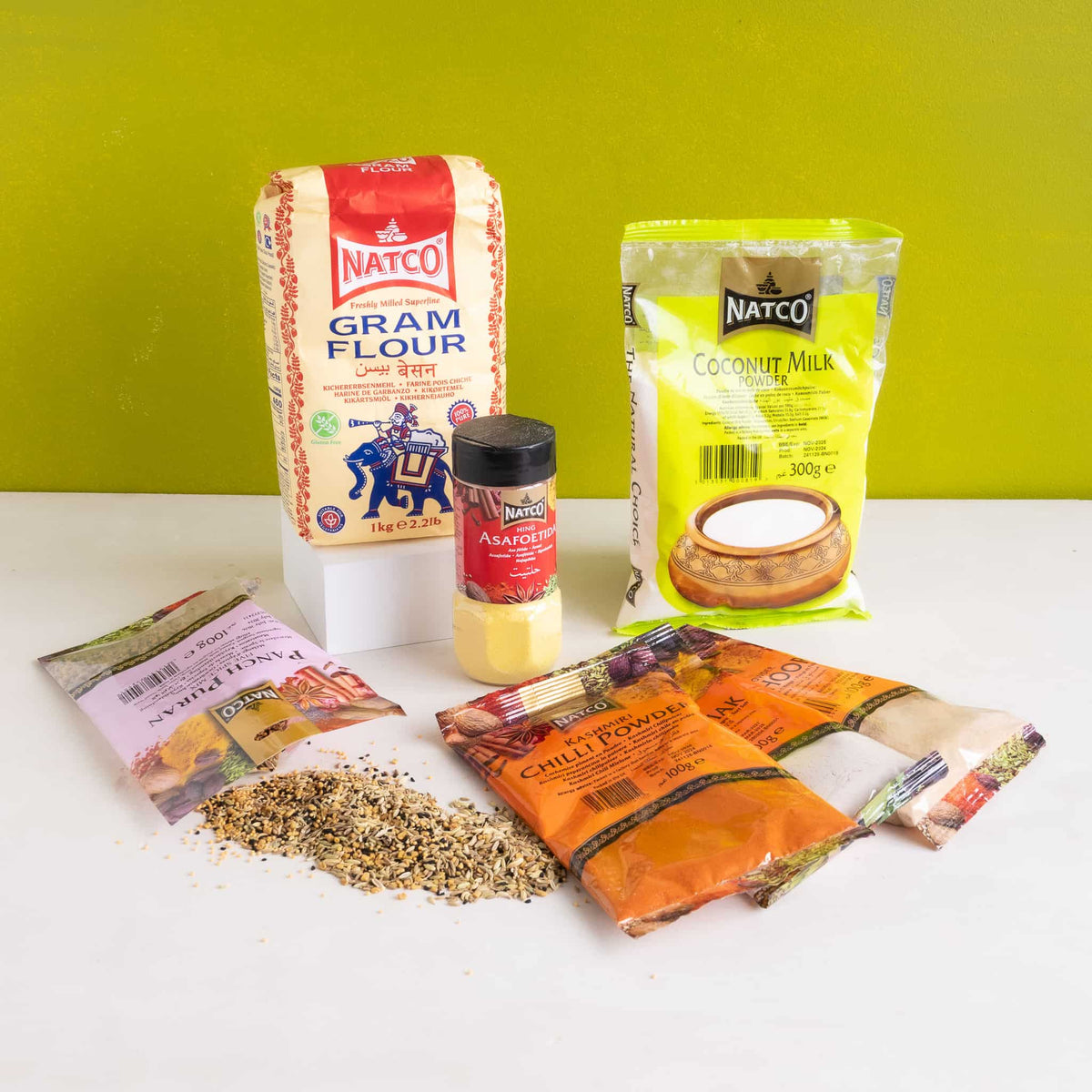
- Indian style: Dried lentils/dals, chickpea flour, garam masala, turmeric, cumin seeds, tin of chopped tomatoes, ghee or oil, turmeric, chilli powder. (One UK home-cook blog lists lots of these as essentials.)
By aligning your store cupboard with your cooking style you avoid mismatch — ie having things you never use.
How to organise your cupboard so you actually use it

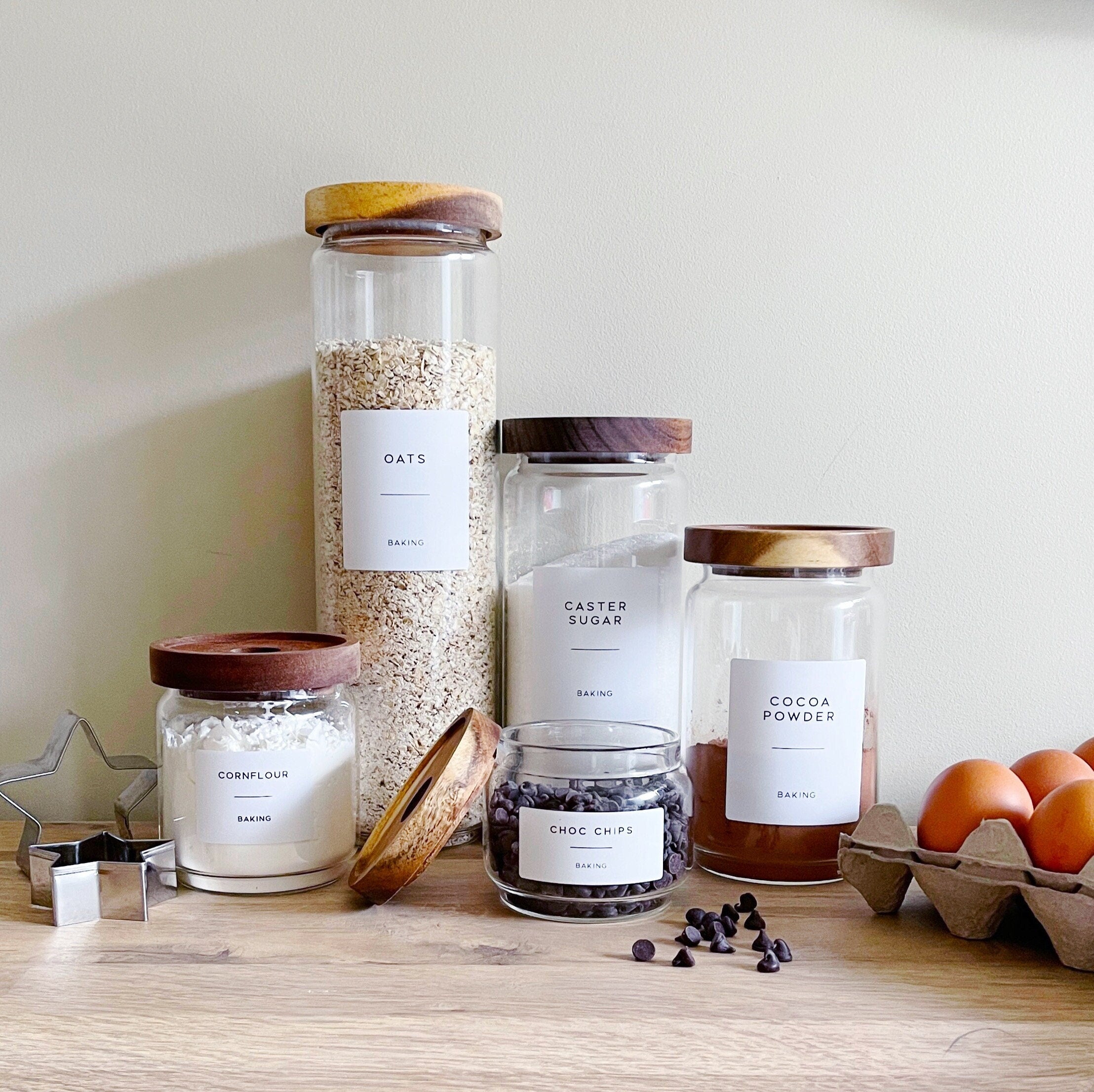


Having the ingredients is one part of the puzzle — being able to see and access them makes a big difference.
Here’s how I keep mine usable:
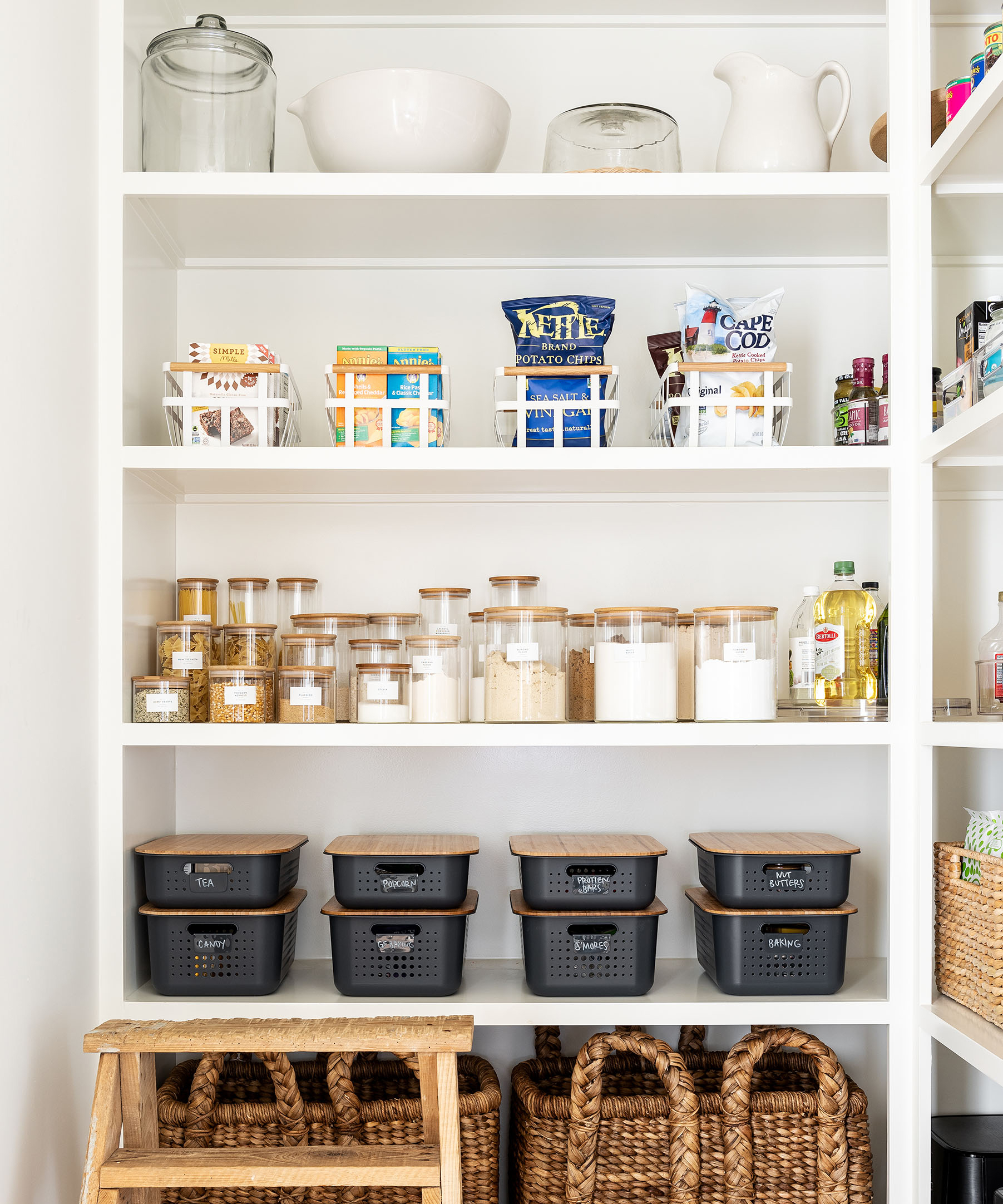
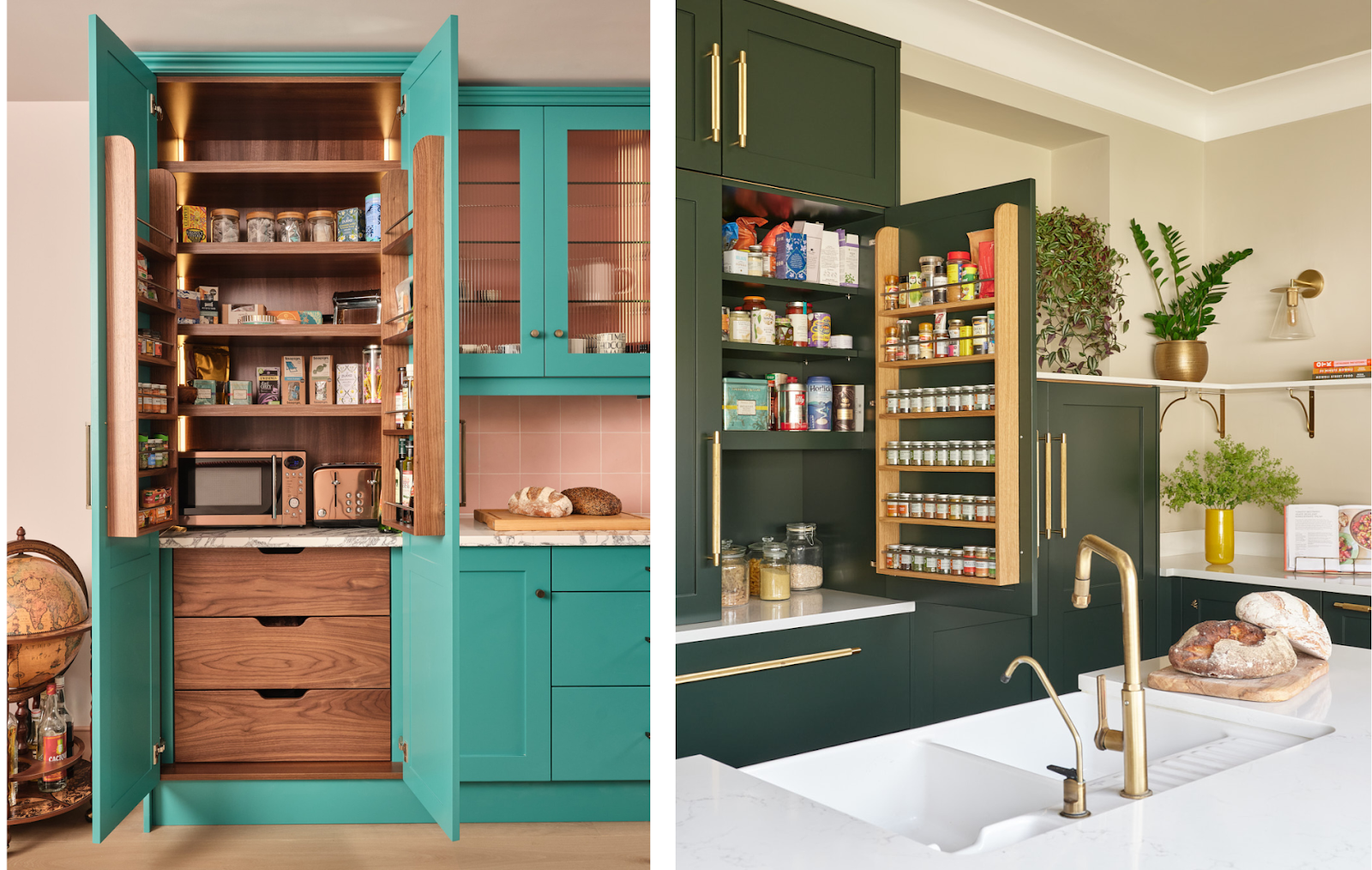
- Clear containers or jars: I decant pasta, rice, lentils into clear jars so I can see when they’re running out.
- Labels: Even if it’s just masking-tape and a marker, labeling helps — especially for things like “split peas” vs “green lentils”.
- Group similar items: I keep all baking stuff together, all tinned goods together, all oils/vinegars together. It makes shopping and cooking faster.
- Use eye-level wisely: Keep the things you use most often at front at eye-level. Lesser used things go higher or lower.
- FIFO (first in, first out): When you buy a new tin or jar, place it behind the older stock. That way old stuff gets used first.
- Check expiry dates occasionally: Spices especially lose flavour over time. Better refreshing them than cooking with faded taste.
One home-organisation article from the UK emphasises that an organised cupboard saves food waste and reduces stress. (MyJobQuote)
My personal “go-to” recipe from store-cupboard items
Here’s a little story — one evening I came home and realised fresh food was minimal. But because I had: pasta, tinned tomatoes, a tin of beans, some chilli-flakes and dried herbs, I made a one-pan pasta bean dish in about 20 minutes. No extra shopping required. It was satisfying, filling and involved minimal waste.
Recipe outline:
- Fry garlic & onion (if you have fresh; else use dried flakes)
- Add tinned tomatoes + splash of water + paprika + chilli-flakes
- Stir in a tin of beans (drained)
- Add cooked pasta (or cook pasta in the sauce if you want one-pan style)
- Finish with dried oregano or basil & a drizzle of olive oil
If you keep those store-cupboard basics, you’ll have meals like this ready more often than you think.
Budgeting & buying smart



Since you’re stocking the cupboard, a few budget-friendly tips help:
- Buy bigger packs of dry goods when on offer. Rice/pasta often has buy-one-get-one or £ x for 2 deals.
- Store brand or supermarket own-brand: For many staples (flour, sugar, beans), the cheaper brand is fine. Use the savings on flavour-intensive items you’ll notice (eg good olive oil).
- Look for long-life items: Tinned goods often last 2–3 years — so you can buy ahead when deals appear.
- Mind your space: There’s no point buying bulk if you have no room — things can get lost or forgotten.
- Use what you already have: When you receive a food delivery or after a shop, check your cupboard and see if you used everything from last time. Adjust your shopping list accordingly.
Avoiding common mistakes

Here are pitfalls I’ve seen (and sometimes fallen into) and how to avoid them:
- Buying too much of something: If you buy 10 tins of one thing and never use them, they’ll sit and eventually you’ll forget about them. Start small.
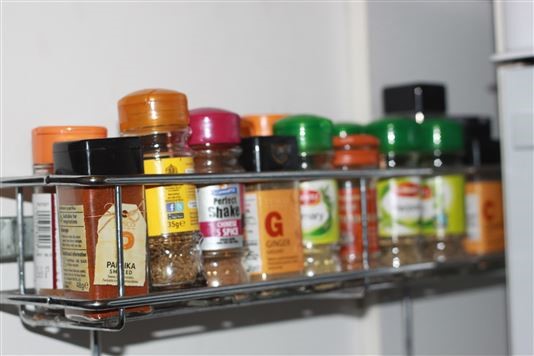
- Spices that have been in the cupboard forever: They lose flavour. If you opened a spice more than 12–18 months ago, consider replacing it.
- Having no thought for fresh produce: Cupboard staples are fantastic — but they work even better when you combine them with fresh ingredients. Think of the cupboard as your foundation, not the whole meal.
- Not checking what you already have: It’s easy to forget you already have a bag of rice or a spice jar, and buy a duplicate. That’s wasted money/space.
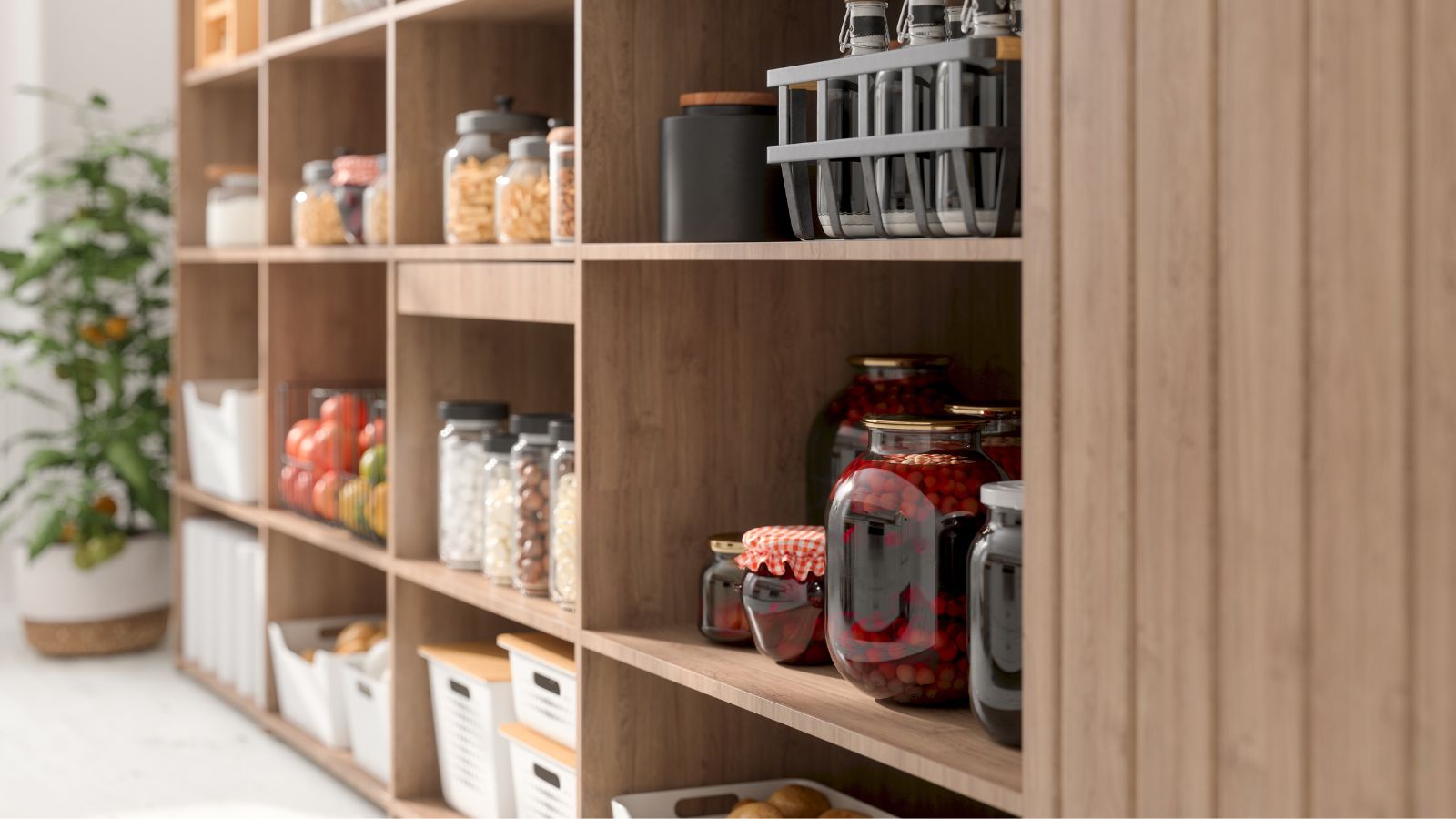
- Poor organisation: If your cupboard is a jumble, you’ll forget things are there. Then you’ll buy again. Then you’ll have too much. Organisation is key.
Final checklist: Are you ready to stock your cupboard?

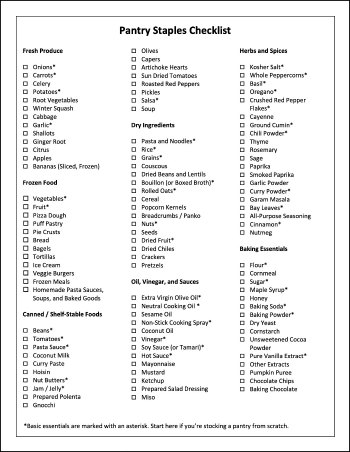
Here’s a simple “tick-off” list for you. Print it or note it down. Once you’ve got most items, you’re well-on-your-way.
- Rice & pasta
- One or more dried beans/pulses
- Tinned tomatoes
- One or more other tins (beans, tuna, veg)
- Olive oil + a general cooking oil
- One vinegar (cider, red wine or balsamic)
- Salt + pepper
- At least 3 spices/seasonings (you’ll add more later)
- Plain flour + sugar
- Baking powder/bicarbonate (if you bake sometimes)
- Frozen peas/mixed veg (for emergencies)
- One “flavour booster” item (mustard, tomato paste, soy sauce etc)
- Clear jars or containers for dry goods
- Labelled areas/groups for items in the cupboard
- A restocking habit (check what’s low before shopping)
Wrapping up
Stocking your cupboard doesn’t need to be overwhelming or expensive. Start with a few basics, organise things so you use them, and gradually build up a cupboard that allows you to cook easily, handily and with less stress.
The real bonus? You’ll feel more confident walking into your kitchen and actually cooking something satisfying — without the panic of “what on earth have I got?”
