


How to Organise Your Wardrobe Like a Professional Stylist

A well-organised wardrobe is more than just a tidy closet—it’s a tool that can transform your daily routine. Imagine starting every day stress-free, knowing exactly what to wear, and having all your favourite clothes visible and easy to access. Professional stylists dedicate years to perfecting wardrobe organisation, but you don’t need a degree in fashion to apply these techniques at home.
In this guide, we’ll explore how to declutter, categorise, store, and maintain your wardrobe like a stylist. By the end, you’ll have a functional, stylish, and efficient wardrobe that saves time, reduces stress, and inspires creativity.
Why Wardrobe Organisation Matters
Wardrobe organisation is not just about aesthetics—it affects your lifestyle in several ways:
- Saves Time: Searching for items becomes effortless.
- Reduces Stress: A cluttered closet can create a feeling of overwhelm.
- Maximises Outfits: Seeing your entire wardrobe encourages creativity.
- Protects Clothes: Proper storage extends the life of your garments.
A professional stylist’s mantra is simple: “You can’t style what you can’t see.” An organised wardrobe ensures every item has its place and purpose.
Step 1: Declutter Like a Stylist
Decluttering is the foundation of wardrobe organisation. Here’s how to do it effectively:
- Empty Everything: Remove all items, including shoes, bags, and accessories. Place them in a clear space to see your full wardrobe.
- Sort by Category: Tops, bottoms, dresses, outerwear, shoes, and accessories. This visual overview helps assess your collection.
- Try the “One-Year Rule”: If you haven’t worn it in the past 12 months, consider donating, selling, or recycling.
- Check Condition: Mend damaged clothes or decide if it’s time to discard.
- Ask Yourself Key Questions:
- Does it fit?
- Do I feel confident wearing it?
- Does it suit my current lifestyle?
Tip: Use the “Keep, Donate, Repair, Discard” method to simplify decisions.
Real-Life Example: Emma, a 27-year-old Londoner, says: “I realised I had 15 identical black tops. Decluttering saved space and made my wardrobe feel fresh.”
Step 2: Categorise Your Clothes
After decluttering, categorising makes your wardrobe intuitive:
- By Type: Shirts, dresses, trousers, jackets.
- By Colour: Create a visually appealing rainbow effect; this also helps mix and match outfits.
- By Season: Separate summer and winter clothes to reduce clutter.
- By Occasion: Workwear, casual, formal, and athleisure.
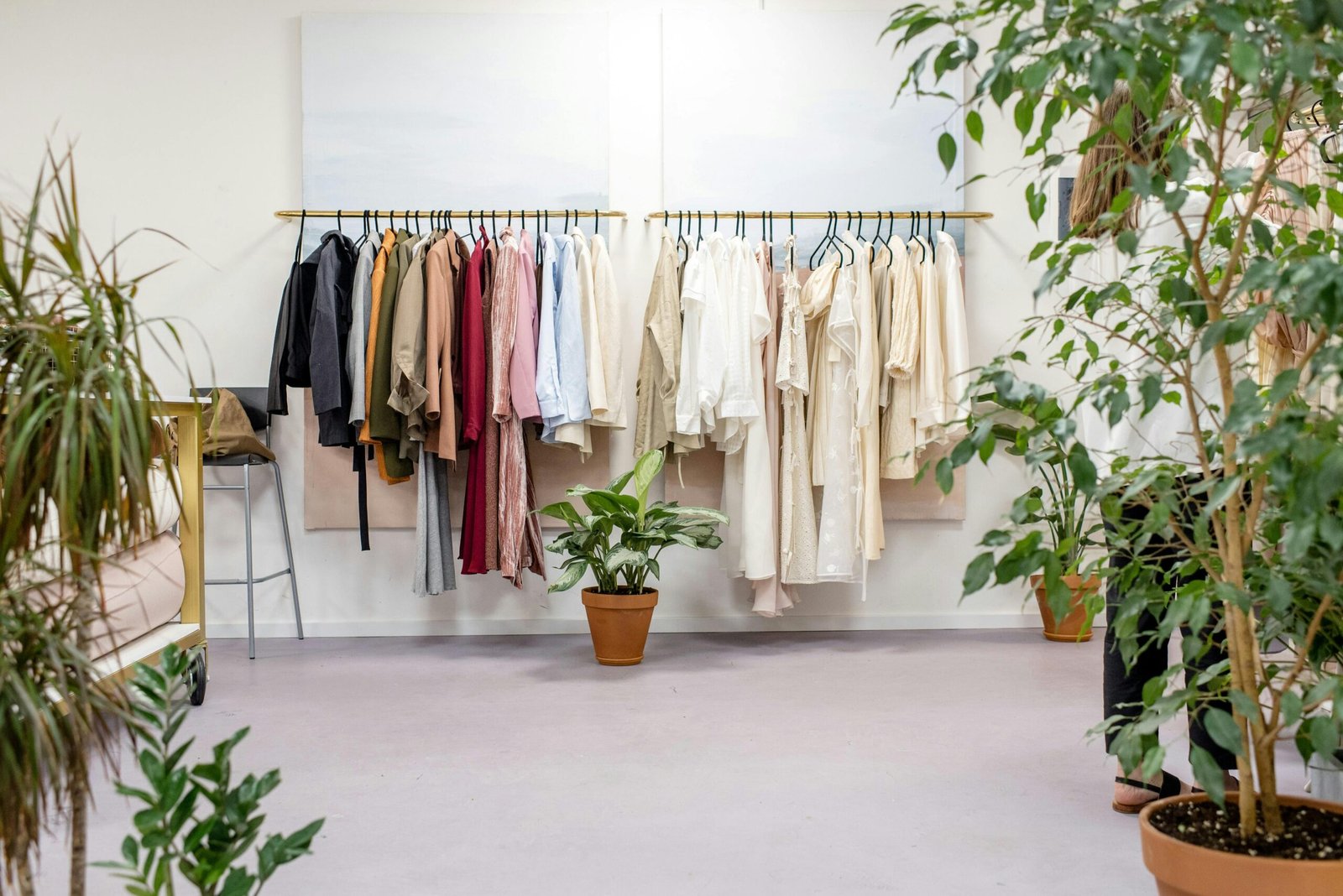
Pro Tip: Use matching hangers for uniformity—it instantly makes the wardrobe look professional.
Stylist Insight: Professional stylists often hang items in a way that the most frequently worn pieces are at eye level, making daily access easier.
Step 3: Storage Solutions Professionals Use
Stylists invest in storage solutions that maximise space and maintain clothing quality:
- Hanging Organisers: Perfect for accessories, shoes, or handbags.
- Drawer Dividers: Keep socks, underwear, and jewellery tidy.
- Clear Boxes: Store seasonal items and maintain visibility.
- Shelf Baskets: Ideal for knitwear or folded tops.
Budget-Friendly Tip: Repurpose shoeboxes with labels or buy inexpensive storage bins online.
Table: Pros & Cons of Common Storage Solutions
| Storage Solution | Pros | Cons |
|---|---|---|
| Hanging Organisers | Saves space, visible items | Limited weight capacity |
| Drawer Dividers | Organised, prevents mess | Needs consistent maintenance |
| Clear Boxes | Easy to identify items | Takes up shelf space |
| Shelf Baskets | Neat for folded clothes | Not ideal for delicate fabrics |
Step 4: Rotate Your Wardrobe Seasonally
Seasonal rotation keeps your wardrobe manageable:
- Store off-season clothing in labelled boxes or vacuum bags.
- Keep a few transitional items handy for changing weather.
- Assess frequently worn items and donate what you no longer need.
UK Weather Tip: Store summer dresses and sandals in breathable bags; winter coats and boots should be kept in cool, dry areas.
Pro Insight: Stylists often recommend reviewing seasonal rotation at the start and end of each season to refresh your wardrobe and avoid unnecessary clutter.
Step 5: Folding and Hanging Techniques
Photo by Unsplash

Stylists have specific folding and hanging methods to save space and prevent damage:
- Hanging: Shirts, blazers, dresses, and coats. Use uniform hangers.
- Folding: Knitwear, jeans, casual tops. The KonMari method works brilliantly in drawers.
- Rolling: T-shirts, scarves, and belts save space and prevent wrinkles.
Pro Tip: Place frequently used items at eye level for easy access and visual appeal.
Step 6: Accessories Organisation
Accessories can easily create clutter if not stored properly:
- Jewellery Trays: Prevent tangles and damage.
- Hooks or Hangers: Organise belts, ties, and scarves.
- Boxes: Sunglasses, hats, and watches.
Stylist Tip: Store statement pieces separately so they stand out and don’t get damaged.
Step 7: Maintain a Capsule Wardrobe
A capsule wardrobe consists of versatile essentials that mix and match effortlessly:
- Core Items: Neutral t-shirts, trousers, dresses, jackets.
- Statement Pieces: Seasonal or trend-based items.
- Accessories: Shoes, bags, belts that complement your wardrobe.
Example: A capsule wardrobe of 30 items can generate over 100 outfit combinations.
Step 8: Optimise for Daily Use
Stylists recommend designing your wardrobe for efficiency:
- Everyday items at the front.
- Less-frequent items higher or lower.
- Colour coding for quick outfit selection.
Pro Tip: Rotate shoes and accessories weekly to ensure everything is used regularly.
Step 9: Stylist Hacks & Digital Tools
- Outfit Planning: Lay out weekly outfits to save time in the morning.
- Wardrobe Apps: Use apps to photograph outfits and track combinations.
- Clothing Inventory: List your garments to avoid duplicates and unnecessary purchases.
UK Stylist Advice: “Maintaining a digital inventory prevents repeated buying and helps identify gaps,” says Sarah Thompson, London-based stylist.
Step 10: Real-Life Stories
- Anna, London: “Colour-coding and sorting by category made my mornings so much easier—I wear more of my clothes now.”
- James, Manchester: “Drawer dividers and labelled boxes for accessories keep everything accessible and tidy.”
These stories show that professional techniques are practical for anyone.
Step 11: Maintaining the System
Consistency is key. Tips include:
- Weekly Tidy-Up: Spend 10–15 minutes each week to keep the wardrobe in order.
- Seasonal Review: Reassess items every season.
- Mindful Shopping: Only add items that fit your existing system.
Tip: Regular maintenance keeps the wardrobe functional and stylish year-round.
Step 12: Bonus Tips
- Use matching hangers to make your wardrobe visually appealing.
- Store delicate fabrics in breathable garment bags.
- Rotate accessories and shoes to prevent wear and tear.
- Consider lighting inside the wardrobe for easier selection.
Conclusion
Organising your wardrobe like a professional stylist takes effort initially, but the payoff is immense. Declutter, categorise, fold and hang properly, rotate seasonally, maintain accessories, and embrace a capsule wardrobe mindset. With these steps, you’ll save time, reduce stress, and make the most of your clothing collection.
Even small changes, like rolling t-shirts or colour-coding hangers, can make a big difference. A functional wardrobe isn’t just tidy—it’s empowering, efficient, and inspires creativity.
