


How to Fall Asleep in 10 Minutes: Science-Backed Sleep Hacks


Getting off to sleep quickly feels like a magic trick—especially when your mind won’t switch off. In this article I’m sharing practical, straightforward help backed by science, plus tips from real life that I’ve actually tried myself. This isn’t about quick fixes that don’t work—it’s about building habits that make “falling asleep fast” genuinely possible.
Why you may be struggling
Quick reality check
- Research suggests that if you’re lying awake for longer than 20–30 minutes most nights, it may count as sleep-onset insomnia. (APM)
- In contrast, if you fall asleep too fast (say within 5 minutes every night) it might mean you’re severely sleep-deprived. (APM)
- As Matthew Walker, a leading sleep scientist, says: “Falling asleep is like landing a plane. It takes time.” (BrainyQuote)
In other words, aiming to drop off instantly every night is unrealistic—but we can aim for a “rapid but natural” sleep onset with the right habits.
The science bits you should know
- Your circadian rhythm (internal clock) regulates when you feel sleepy/tired. Skewing this rhythm (very late nights, chaotic schedule) makes falling asleep fast harder. (sadag.org)
- Your body temperature drops slightly at sleep onset. A room that’s too warm or too bright messes with that. (Human Resources)
- Mental hyper-activity (worrying, going over the day, screen use) often delays sleep. The trick is to quiet that mind. One useful concept: Cognitive Shuffle, which means “shuffling” random thoughts to distract the brain from ruminating. (Wikipedia)
How to fall asleep in 10 minutes (or close)
Below are my favourite and proven hops to get you into dreamland faster. Pick what suits you and build a simple routine.
1. Set up your environment

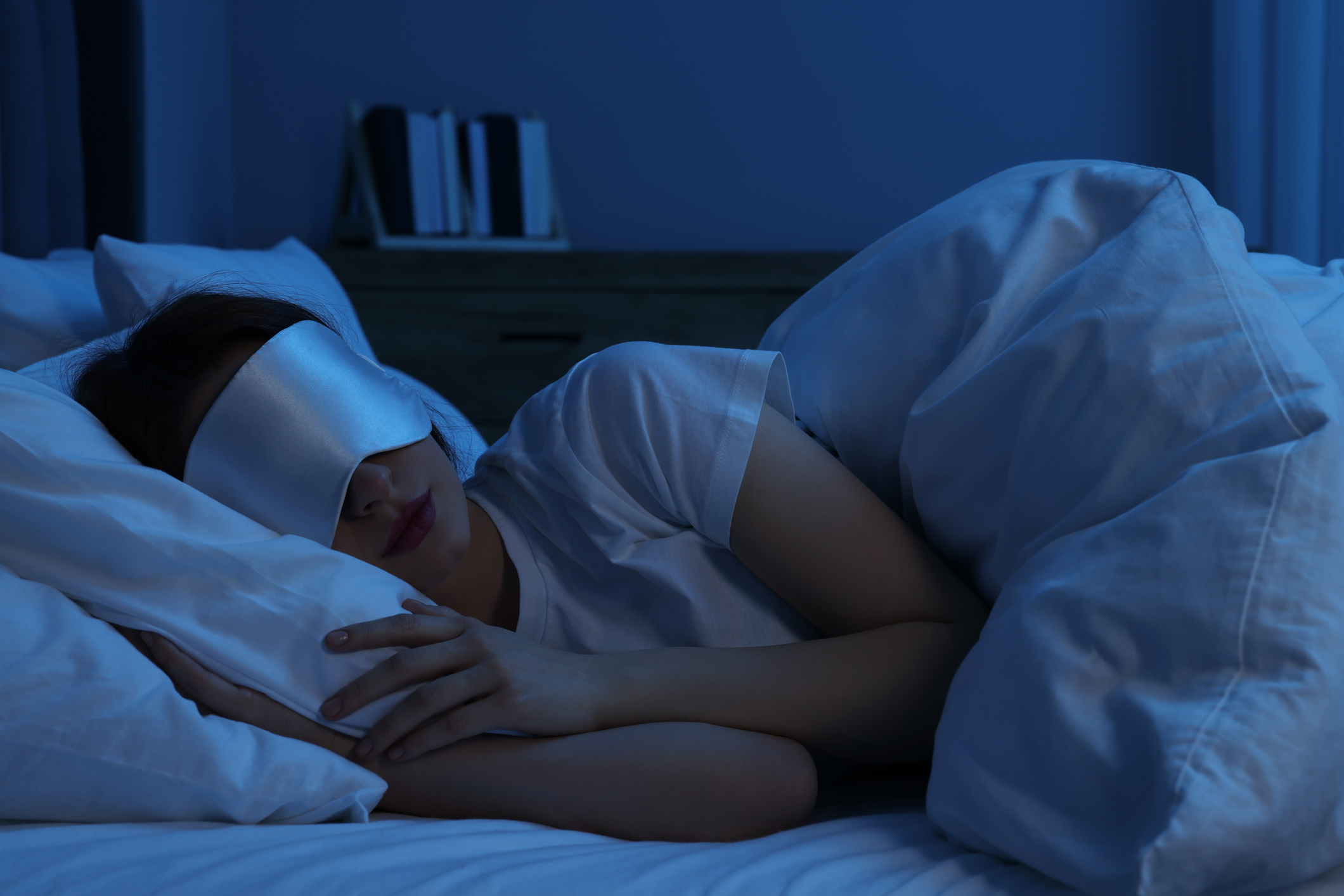

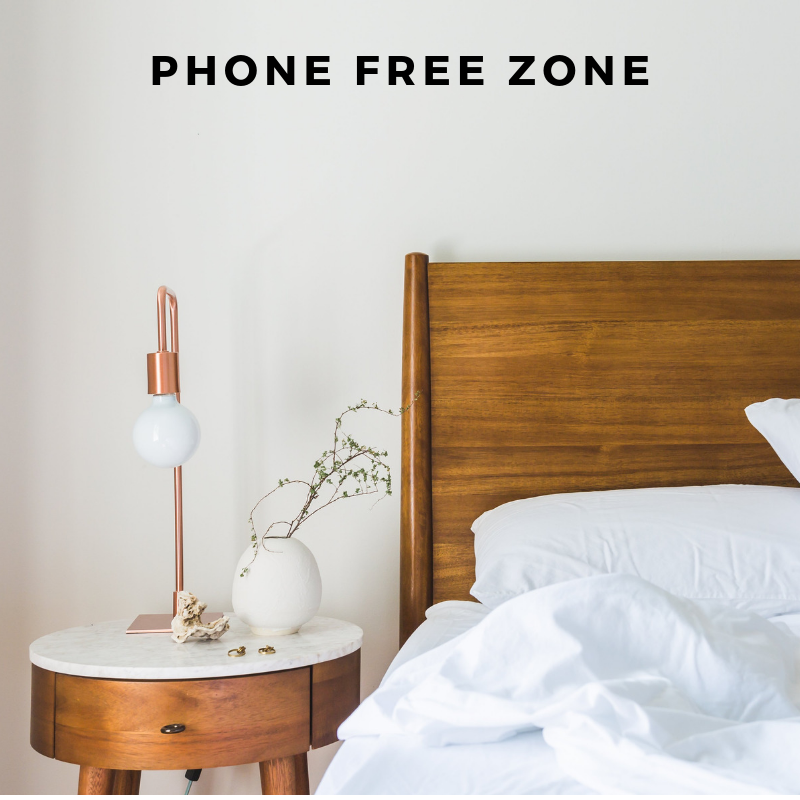


- Keep the room cool and dark: around 15-18 °C often works well. A cooler room helps your body temperature drop which supports sleep onset.
- Minimise light & screen usage: Even small light sources (smartphones, TVs) can signal wakefulness. Use blackout curtains or low blue-light if necessary. (New York Post)
- Use your bed only for sleep (and sex): Don’t make your mind associate the bed with stress or tasks (emails, work). This trick is suggested by sleep specialists. (elearning.sleepanddreams.com)
2. Build a short pre-sleep routine



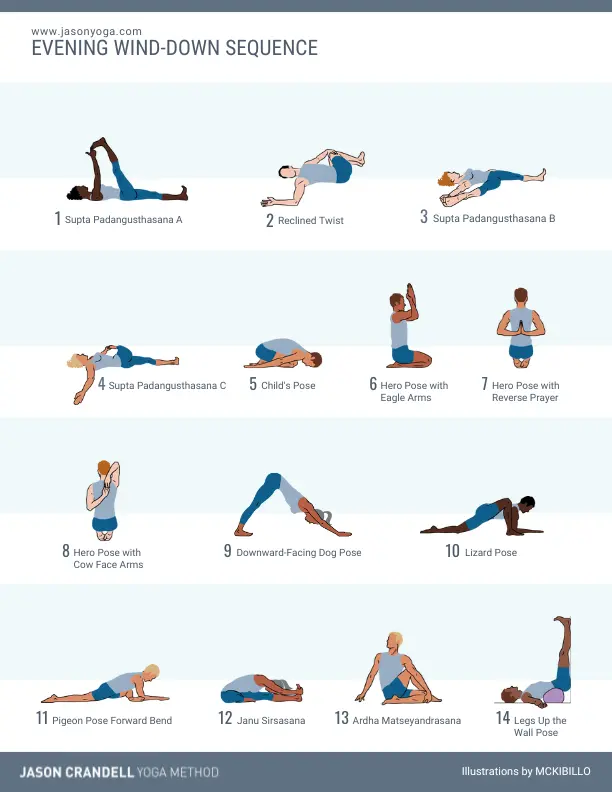

- 20-30 minutes before bed, choose a calm activity: reading a physical book, gentle stretching, notebook for thoughts.
- Avoid screens in that wind-down period. Your brain needs the chance to shift gear.
- When I adopted this in my routine, I found the “gap” between mind buzzing and pillow much shorter. On nights when I skipped the routine, I’d often lie awake 30+ minutes.
3. Use a quick relaxation technique

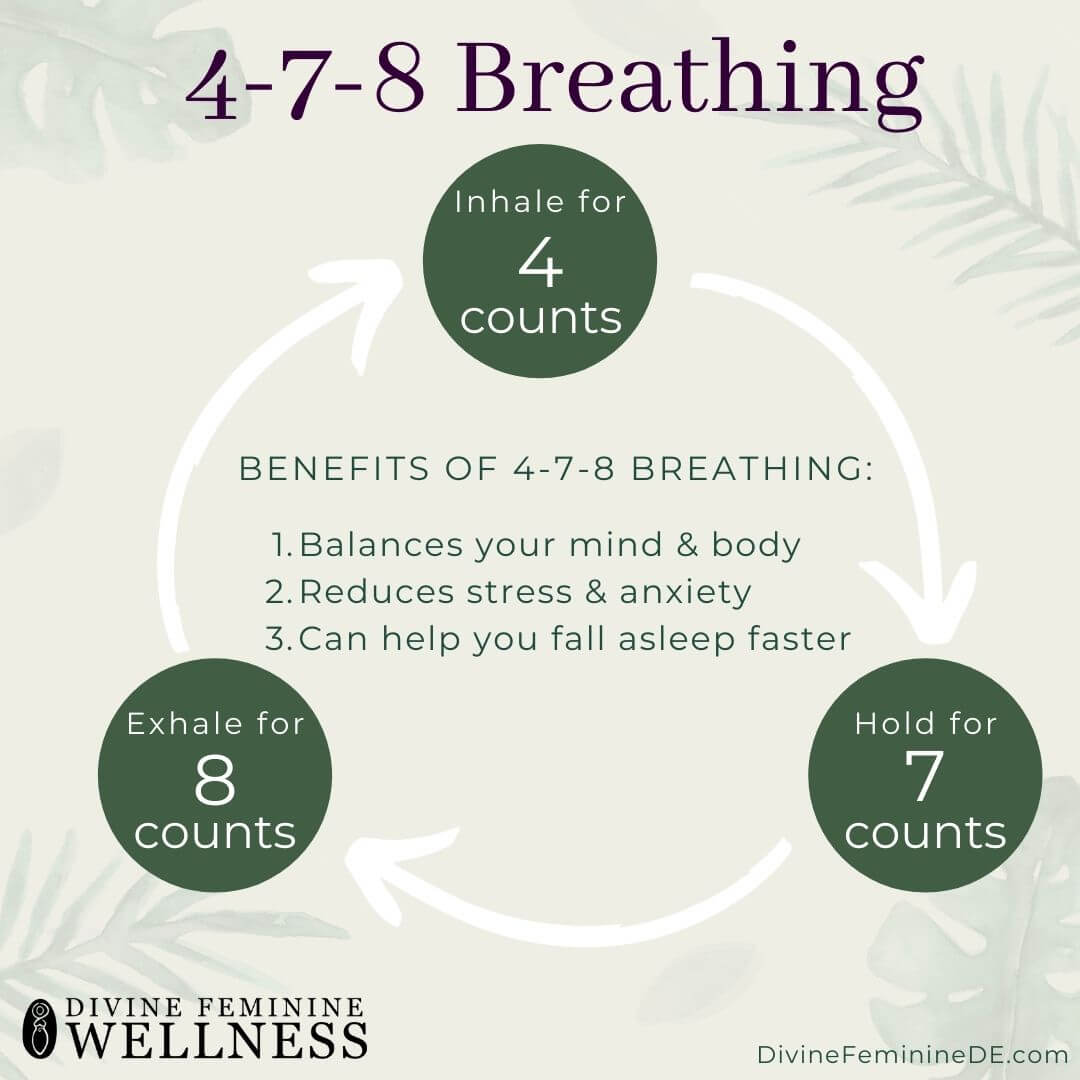



- 4-7-8 breathing: Inhale for 4 seconds, hold for 7, exhale slowly for 8. This engages the parasympathetic (rest-and-digest) nervous system and calms you.
- Progressive Muscle Relaxation: Start at your face → shoulders → arms → chest → legs. Tense 2-3 s, release 5-8 s. Helps drop physical tension. (Tom’s Guide)
- Cognitive shuffle: If your mind’s racing, try picturing random objects/words in no meaningful sequence (“pen, cloud, baking, pond…”). That stops the “worry loop”. (New York Post)
4. Keep your schedule consistent
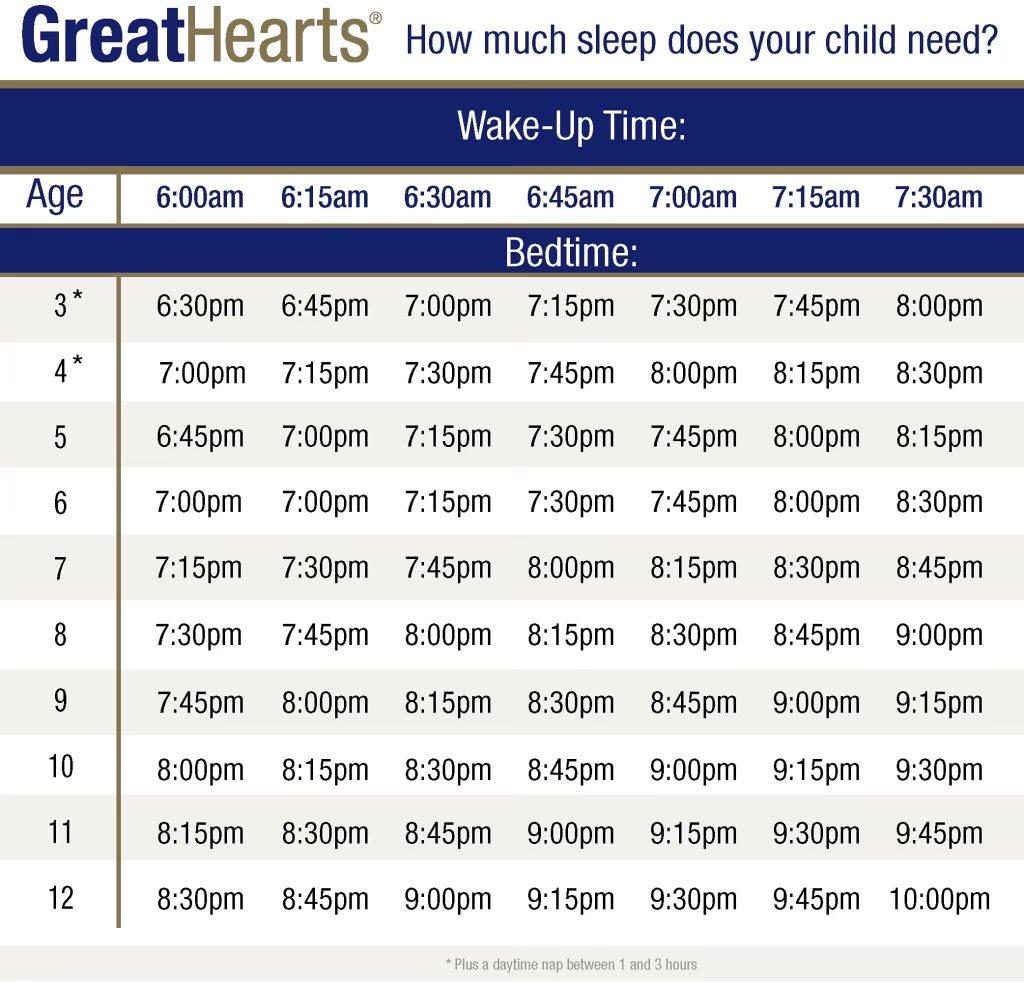
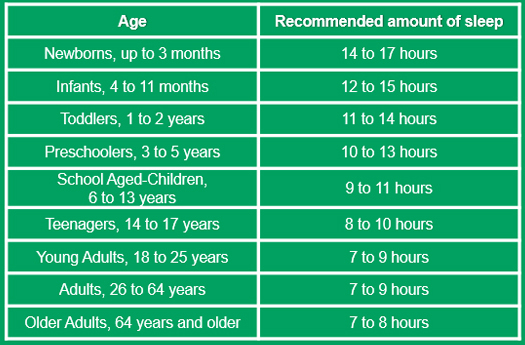

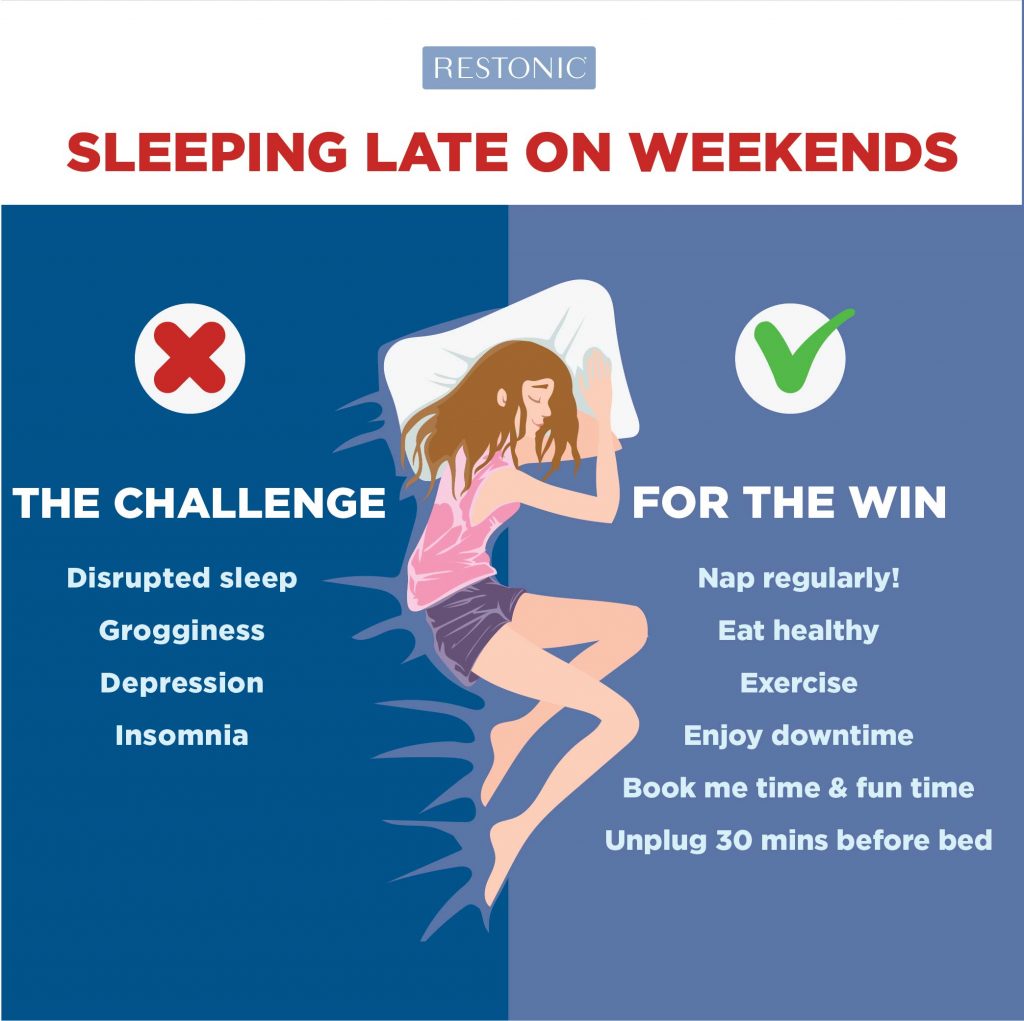
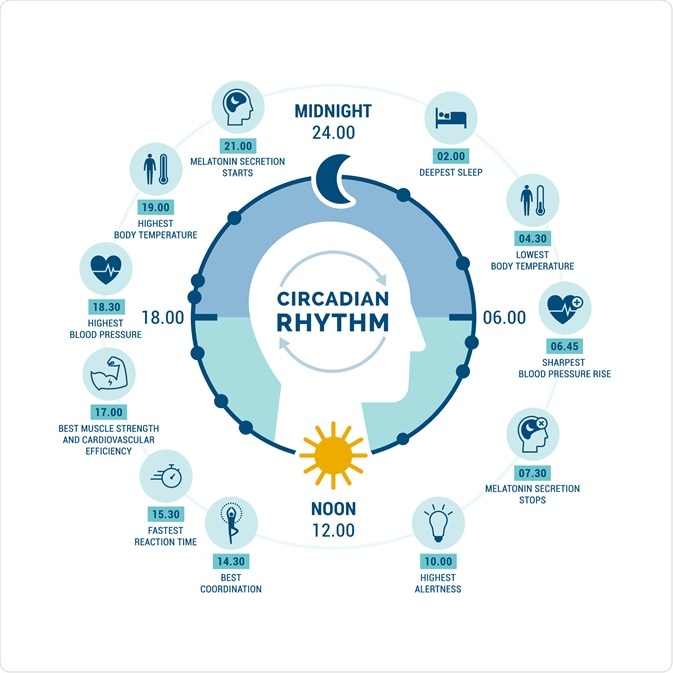
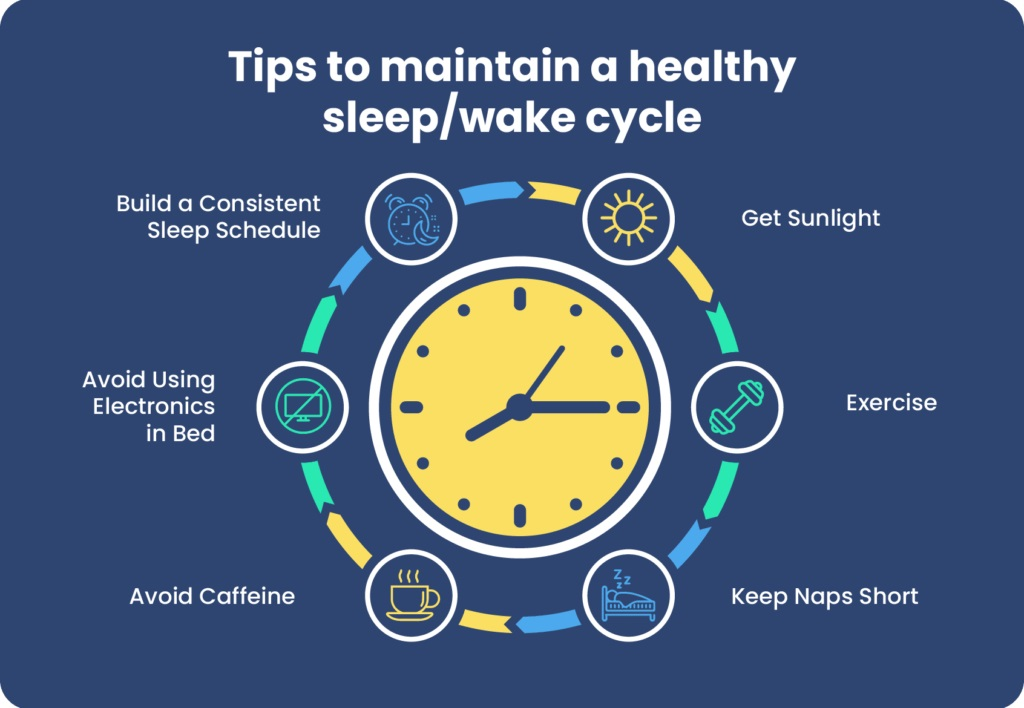
- Go to bed and wake up around the same time each day, even on weekends. That anchors your body clock. (sadag.org)
- If you stay out late one night, don’t crash the next day for 3+ hours—that confuses your rhythm.
- My experience: When I kept my wake-up time fixed even after late nights, I found I dropped off a lot faster on “normal” nights.
5. Be mindful about what and when you eat/drink
- Limit caffeine after mid-afternoon. Caffeine in your system reduces not just time to fall asleep but sleep quality. (BrainyQuote)
- Avoid big meals or alcohol close to bedtime—these can disrupt your sleep cycle and delay onset.
- A light snack (e.g., bananas, a small portion of yoghurt) can be fine if your stomach’s rumbling—it’s the heavy or spicy meal that might wreck your quiet night.
6. Get your daylight & activity sorted
- Aim for some daylight exposure in the morning (even just 10–15 minutes). This helps calibrate your internal clock.
- Regular daytime activity (walking, cycling, gym) helps you physically tire out—but avoid heavy training too close to bedtime. (sadag.org)
- When I switched from very late evening workouts to afternoon slots, I noticed I dropped off quicker at night and felt more refreshed the next day.
7. What to do if you’re lying awake
- If you haven’t fallen asleep after ~20 mins, get out of bed. Go to a different dim, quiet room and do something non-stimulating (e.g., reading) until you feel sleepy. Then return to bed. (elearning.sleepanddreams.com)
- Don’t check your phone or commit to “just five more minutes” in bed—this often increases anxiety and delays sleep.
- I once lay awake for 45 minutes watching the clock—stress built up. The next night I got up after 15, read a dull book for 10, then returned and was asleep in under 5 minutes. Big difference.
My personal “10-minute drop-off” routine
Here’s a mini routine I use when I really want to drop off fast (e.g., before a meeting next morning):
- 9:30pm – Turn off screen, dim lights, make room cool.
- 9:30–9:45pm – Warm shower + get PJs + sip herbal tea (caffeine-free).
- 9:45–9:55pm – Lie in bed, do 4-7-8 breathing or body scan.
- Eyes closed, handset in “Do Not Disturb”. Within ~10 minutes I’m usually drifting.
This routine isn’t perfect every night (life happens), but when I commit it works far better than “hop in bed and hope”.
Some common questions
Q: Is it really realistic to fall asleep in 10 minutes every night?
A: For many people, yes—but not always instantly. The goal is “within ~10–15 minutes” as a realistic target. Consistency and routine matter.
Q: What about if I wake in the night and struggle to fall asleep again?
A: Many of these same rules apply: stay cool, limit light exposure, use a calm breathing exercise if you’re awake for 10+ minutes. Avoid checking social media.
Q: What if my mind is racing with worries?
A: Use the cognitive shuffle technique (see above), or keep a “worry notebook” earlier in the evening to unload thoughts. Mentioning the worry before lying down helps your mind relax.
Q: I tried routines but still lie awake—what then?
A: If it consistently takes you 30+ minutes every night and you feel poorly next day, it might be insomnia and worth discussing with a GP or sleep specialist.
Key take-aways
- Falling asleep quickly is not just luck—it’s helped by your environment, routine, and how you treat your body and mind.
- Prioritise: cool & dark room, consistent schedule, wind-down routine, and a simple relaxation method.
- If you’re lying awake for a while, move away from the bed, do something calm, then return when you’re sleepy.
- When you combine the above, you give your body the conditions it needs to drift off easily.
