


How to Build Healthy Habits That Actually Stick: A Psychology-Based Approach


We often assume that making a big change comes down to willpower. But the truth is: habits are more powerful than sheer effort. As psychologist Wendy Wood explains, habits are behaviours our brain has turned into “automatic” responses to familiar cues. (Wikipedia)
Here’s the reality I’ve experienced: At one point I tried to overhaul my diet, cut sugar, start running, and do strength training—all at once. It failed. Then I changed tack: pick one small habit (like drinking a glass of water after breakfast), make it automatic, then build slowly. That worked. Over the months it snow-balled.
So this article is about how to build healthy habits that stick, using psychology-backed approaches, real-life examples, and practical steps you can start this week.
The basic psychology of habits: What you need to know


To make habits stick you don’t need to be a neuroscientist—but knowing a few key psychological ideas helps.
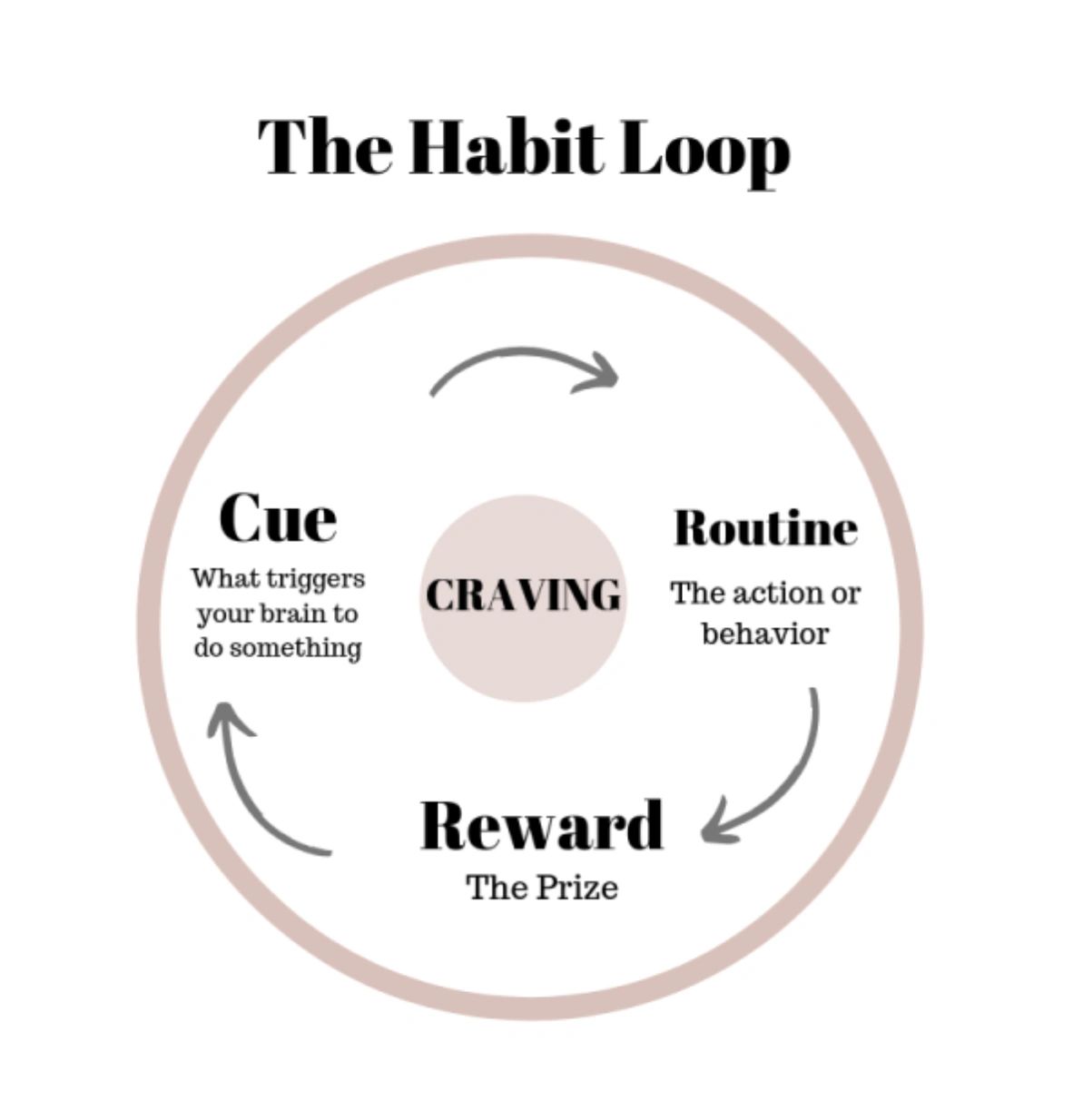
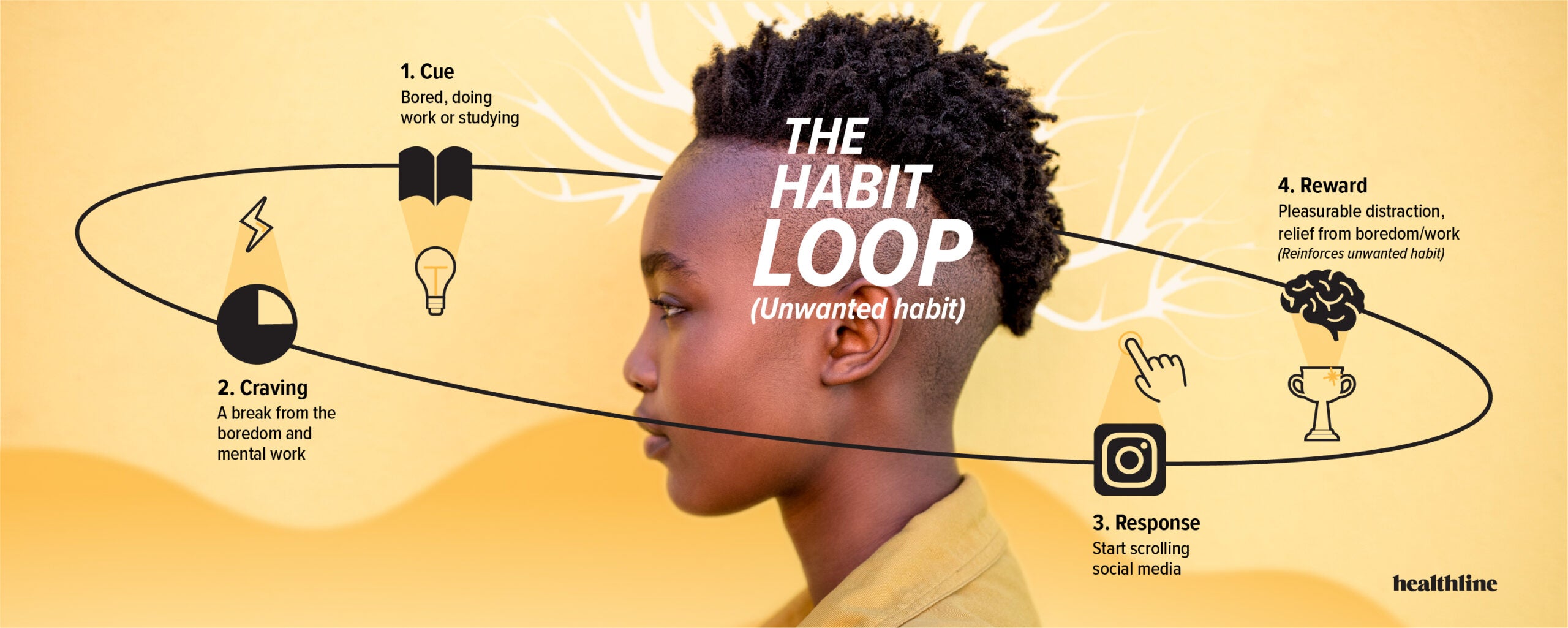
The habit loop: Cue → Routine → Reward
- Cue: A trigger (time of day, location, feeling).
- Routine: The behaviour you perform.
- Reward: The payoff your brain receives (feel-good, relief, achievement).
When this loop happens often, the behaviour becomes automatic. (thepsychologyclinic.com)
Why willpower alone isn’t enough
Your brain “prefers” automatic behaviours because they save effort. If a new habit feels hard, unfamiliar or lacks reward, it’s unlikely to become lasting. (Rae Francis Consulting)
How long does it take?
Research shows there’s no fixed “21 days” magic number. One study found the average time to form a habit was around 66 days, but it ranged from 18 to 254 days. (Verywell Mind)
So be patient.
Step-by-step: How to build a healthy habit that actually sticks


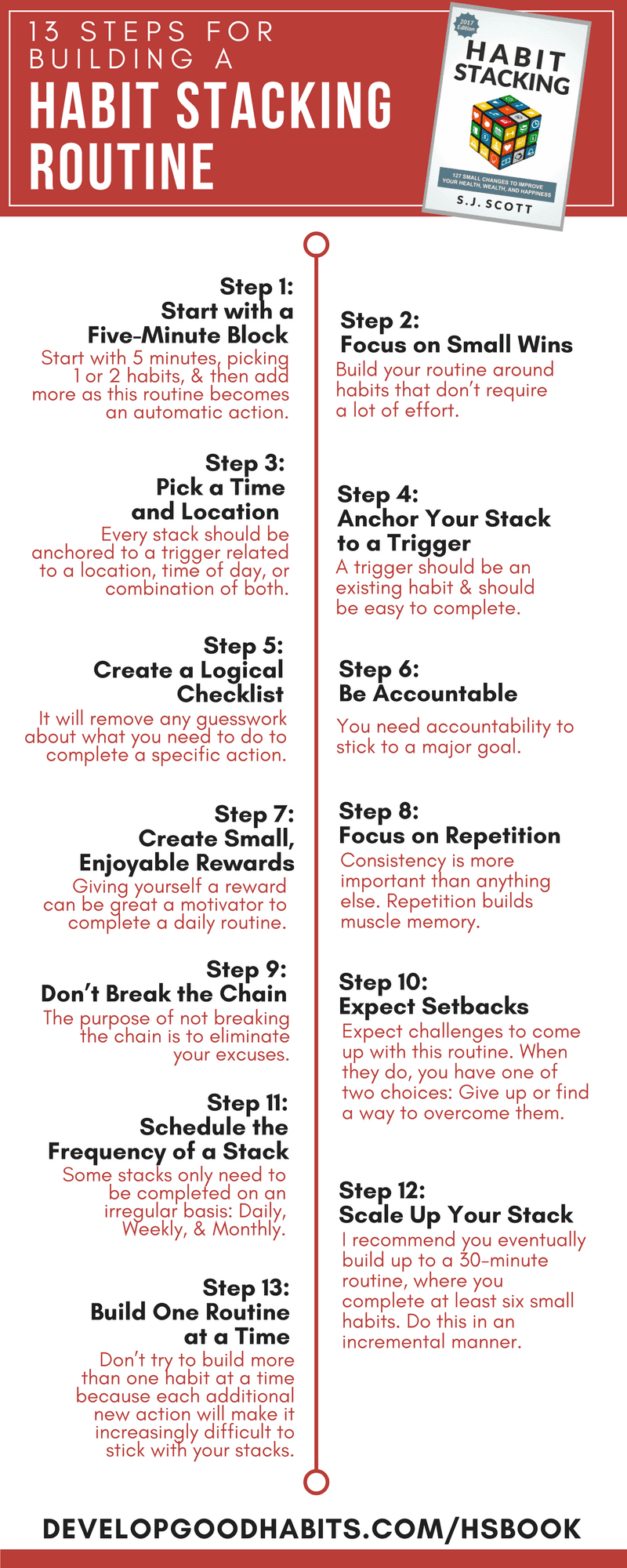


Here’s a practical roadmap you can follow.
1. Choose one small habit to focus on
Too often we try to change everything. Instead: pick one simple action. For example: “After I make my morning tea, I will walk for 5 minutes.”
2. Define the cue and reward
- Cue: What will trigger the habit? Eg: I finish breakfast.
- Routine: The behaviour. Eg: I put on walking shoes and walk for 5 minutes.
- Reward: What makes your brain say “Yes, that was good”? Eg: I mark it on a habit tracker and enjoy a couple of minutes of music/podcast.
3. Make it easy
Reduce friction. If the shoes are in a cupboard two flights away, the cue breaks. Place them by the door. If the habit is small (5 minutes) it’s less intimidating.
4. Use “habit stacking”
Attach the new habit to an existing habit. As described by experts: when you have a stable habit, that cue becomes your anchor. (Real Simple)
Example: “After I switch on my kettle for tea (existing habit) I will do 2 minutes of deep breathing.”
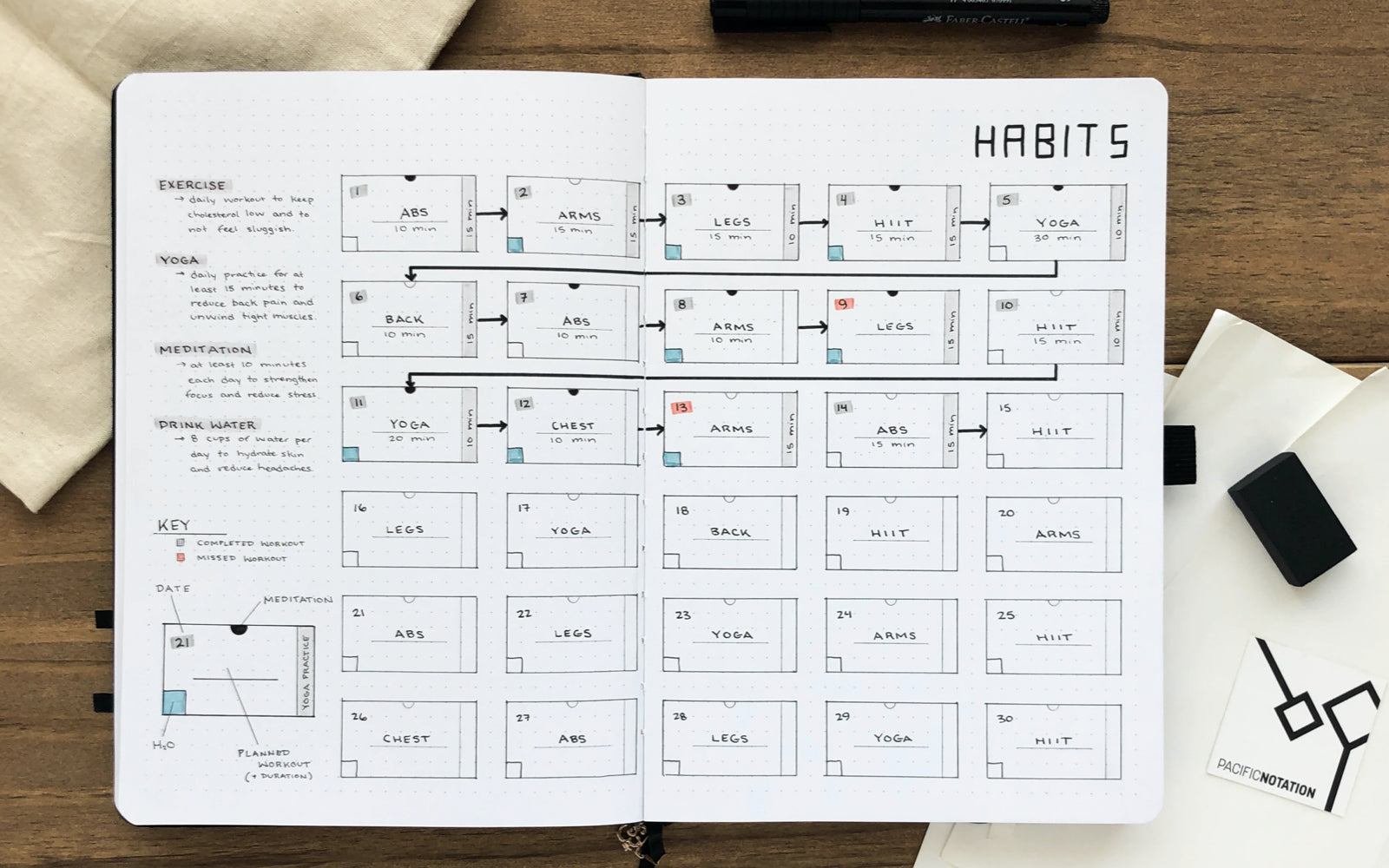
5. Track and review
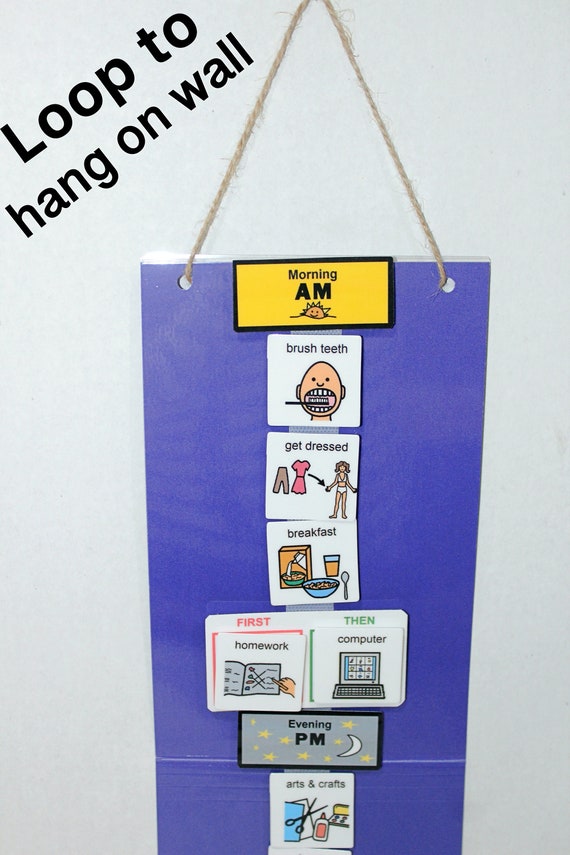
Use a simple chart or app. I used a paper wall chart: tick each day I completed. Seeing a row of ticks became motivating.
At the end of each week ask: Did I hit it? What got in the way?
6. Adjust and expand
Once the small habit feels very normal (you do it without thinking), you can expand it or add a second small habit. But don’t rush.
As one Redditor put it:
“The number of times you associate the cue with the action and how strongly that cue is associated.” (Reddit)
So repetition matters.
7. Handle setbacks
Missing a day isn’t failure. What matters is getting back on track. One slip doesn’t wreck the habit if you resume. Maintain the cue-routine-reward loop.
Real-life example: How I changed my evenings
Here’s a story from me:
I used to crash on the sofa after work, scroll on my phone until late, then go to bed feeling stiff and too wired for sleep. I wanted a better evening habit.
- Tiny habit: After I switch off my computer for the day, I will spend 3 minutes stretching near the sofa.
- Cue: Laptop closed.
- Routine: Stand, do 3 simple stretches (calf stretch, shoulder roll, hip hinge).
- Reward: A cup of herbal tea (my favourite) and feeling slightly looser.
Within two weeks it felt normal. After a month I bumped it to 5 minutes. Now the stretching is automatic and I feel less stiff mid-week. Because it was easy, tied to my existing habit (closing the laptop) and gave a real reward (tea + relief), it stuck.
Common pitfalls (and how to avoid them)





| Pitfall | Why it happens | What to do instead |
|---|---|---|
| Trying too many habits at once | Spreads your effort, causes overload | Focus on one habit, master it, then add another |
| Habit too large or vague | “I’ll get fit” is big and unclear | Define specific: “After breakfast I will do 10 squats” |
| No clear cue or reward | Brain doesn’t link the behaviour | Pick a strong cue (existing habit/time) + small reward |
| Ignoring environment | Environment doesn’t support habit | Set up the space: lay out sneakers, remove barriers |
| Waiting for motivation | Motivation comes and goes | Depend on the habit loop not motivation |
| Expecting instant perfection | Habits take time to automate | Be patient: studies show up to months. (Health) |
When habits go off track: How to recover





- Acknowledge what happened: “I missed two days because I was travelling.”
- Reestablish your cue-routine-reward. Maybe scale the habit back to a tiny version while you rebuild the momentum.
- Don’t self-judge harshly. The brain doesn’t reward negative self-talk. Better to think: “I’ve paused, now I’m continuing.”
- Use the environment: If the cue was weakened (e.g., usual kitchen disrupted), pick a new cue temporarily.
- Celebrate small returns: Even one day back is progress.
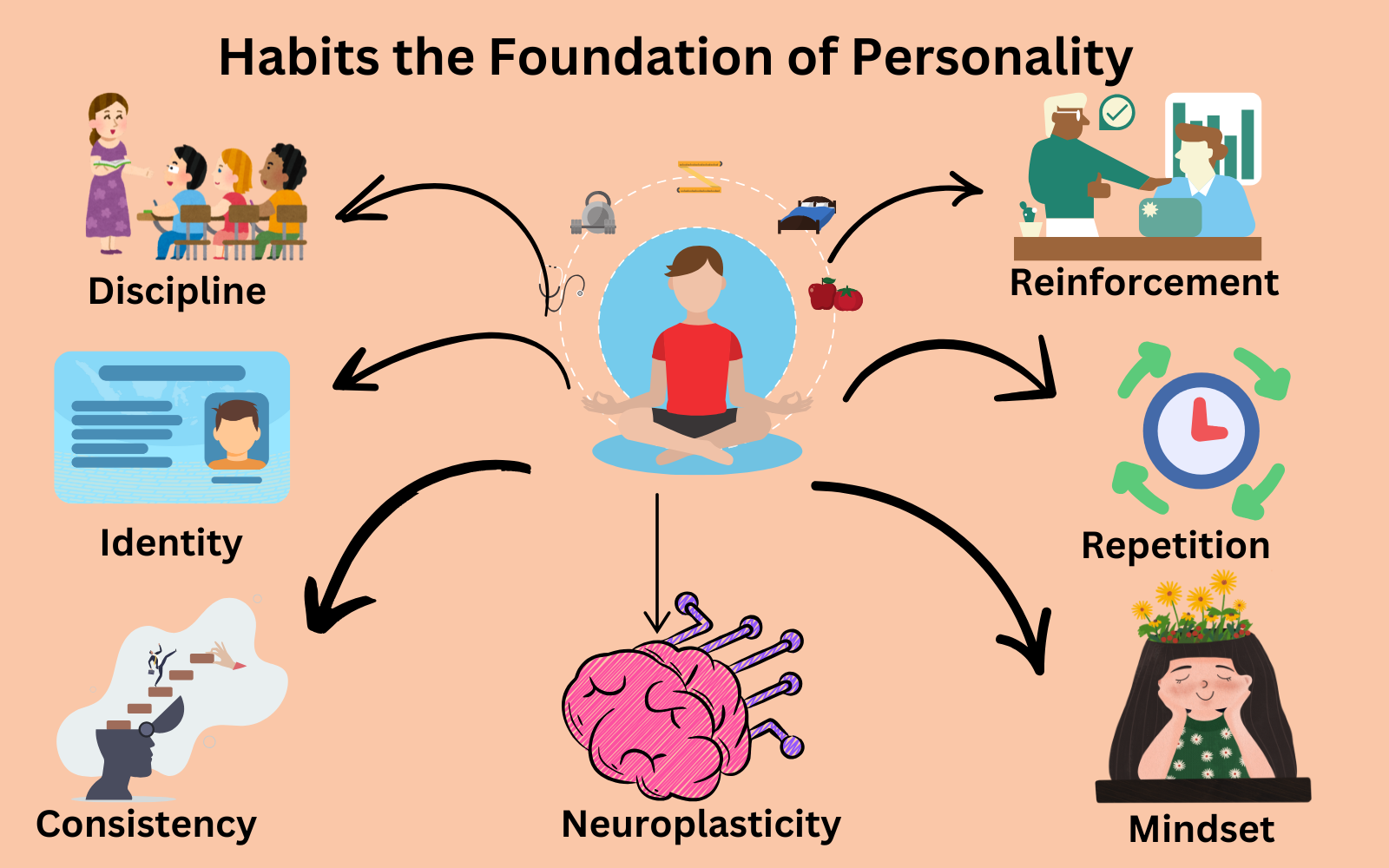
The mindset part: Why “why” and identity matter
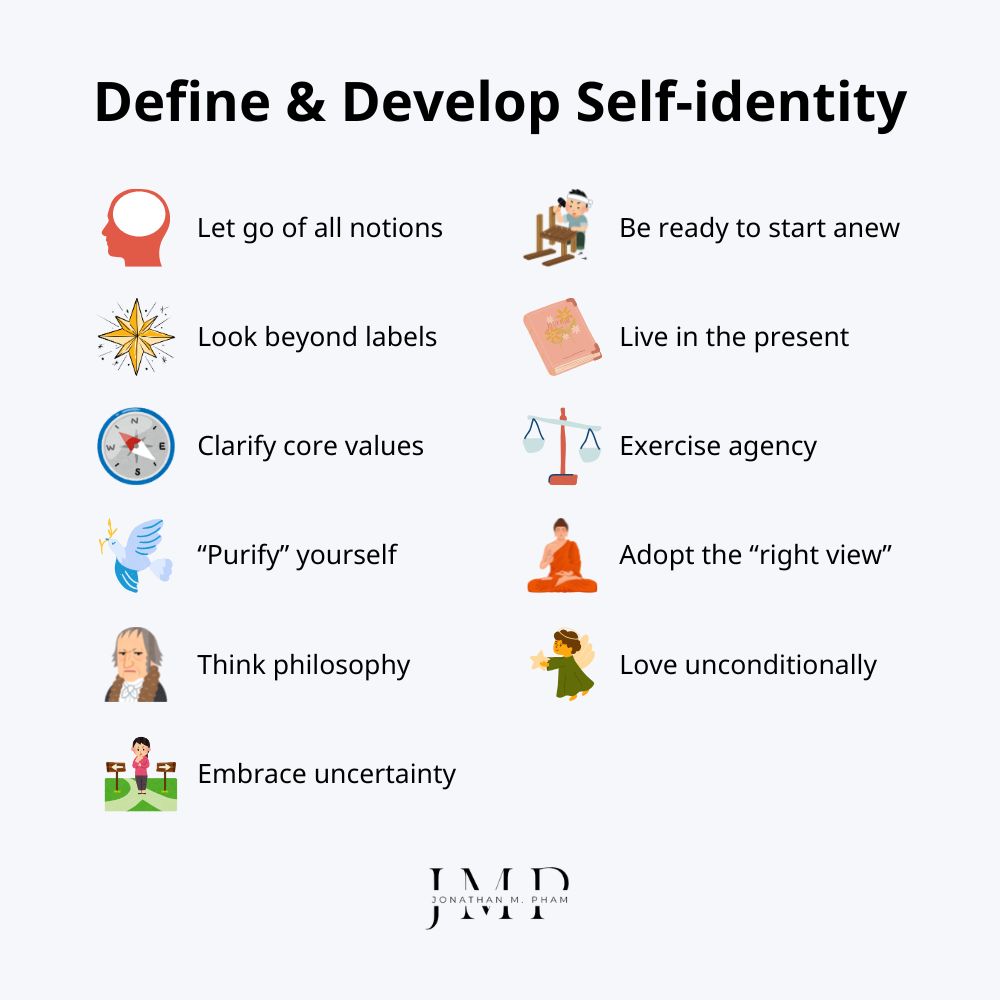
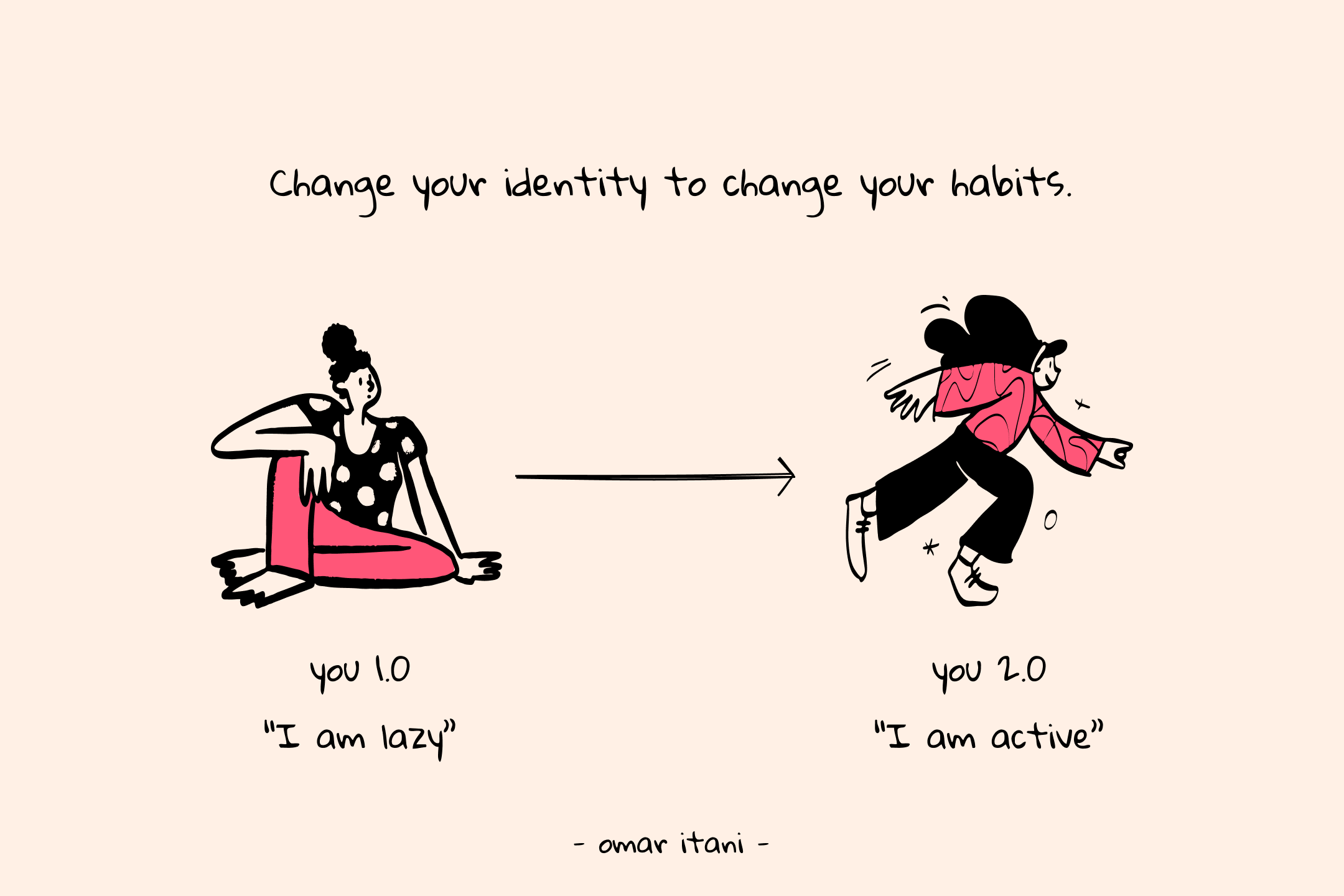
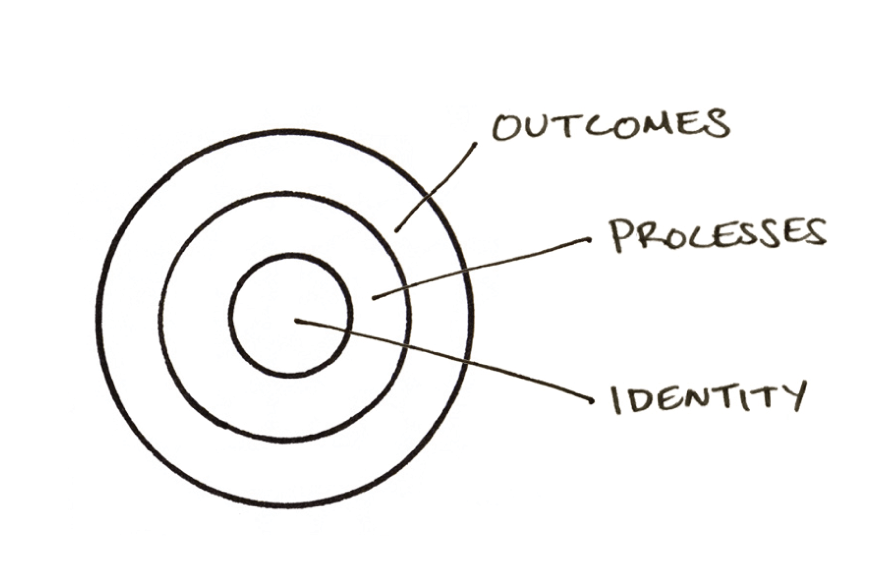

It’s not just what you do, but who you believe you are. When you tell yourself “I am someone who…”, it becomes easier to act accordingly.
For example:
- “I am someone who goes for a walk every evening.”
- “I am someone who drinks a glass of water after breakfast.”
That identity mindset shifts your habit from being an external “task” into part of “you”.
Plus, when you pick a habit that feels like you (rather than one someone else says you should do), you’re more likely to stick with it.
Habit examples you could adopt (UK-friendly)
Here are simple habit ideas you can try—pick one and follow the steps above.
- After I brew my morning tea (cue), I will drink a full glass of water (routine) and enjoy the chill for 30 seconds (reward).
- After I hang up my coat when I get home from work (cue), I will walk for 10 minutes around the block (routine) and then relax with a tea/podcast (reward).
- After I turn off the TV for the evening (cue), I will read for 10 minutes (routine) and give myself one square of dark chocolate (reward).
Start small. Get it consistently. Then build.
Final word
Building healthy habits is less about dramatic change and more about small, consistent actions that your brain learns to do automatically. Use the habit loop (cue → routine → reward), make it easy, tie it to something you already do, track it, and be patient. Over time the habit becomes part of who you are—rather than something you force yourself to do.
You can build habits that stick. You can change your routines in a meaningful way. Choose one small habit today, set up your cue and reward, track it, and keep going. In a few weeks you’ll look back and realise that the “hard work” has faded into a new, easier normal.
