


Understanding Macros: The Simple Guide to Counting Proteins, Carbs and Fats

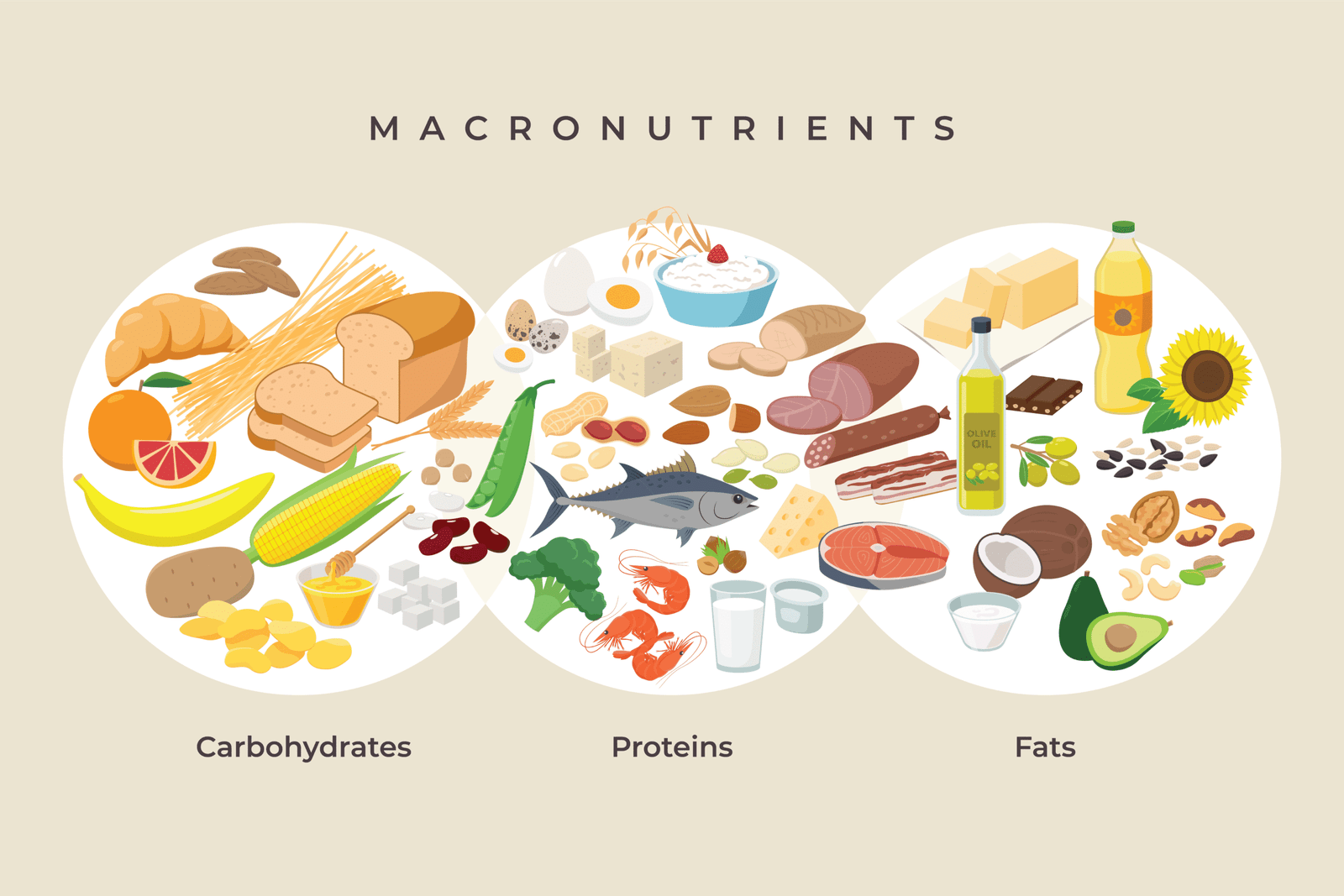
“Macros” is short for macronutrients, which simply means the big-three nutrients your body needs in larger amounts: proteins, carbohydrates (or “carbs”), and fats. (Healthline)
Here’s why they matter:
- They supply your energy (calories).
- They help with growth, repair and maintenance of your body.
- They affect your performance, your recovery, your mood—and yes, how you feel in your clothes.
- Tracking them (in a simple way) can help you be more aware of what you’re eating, rather than just vaguely “being good”.
My take from experience
I began tracking macros a few years ago when I wanted to change how I felt—less sluggish, fewer energy dips in the afternoon. I found that once I paid attention to how much protein I was getting, and didn’t fear fats or carbs, things started to shift. It wasn’t perfect, but I felt stronger, my workouts improved, and I learned what my body liked. This article walks through the “what, how and why” in a clear, no-fuss way.
The roles of each macro

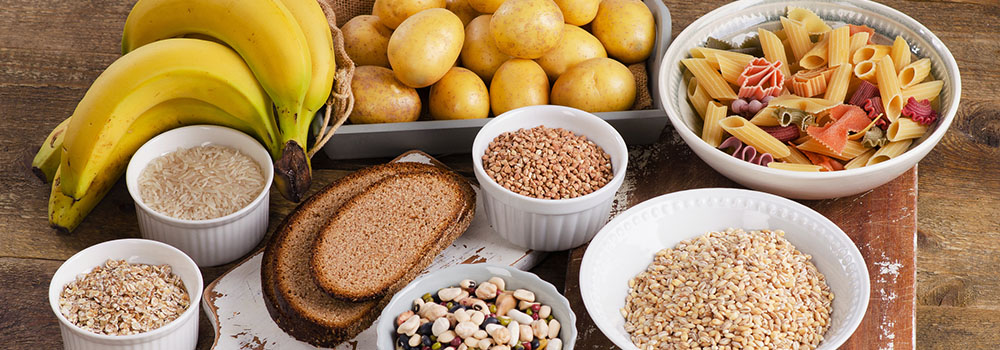
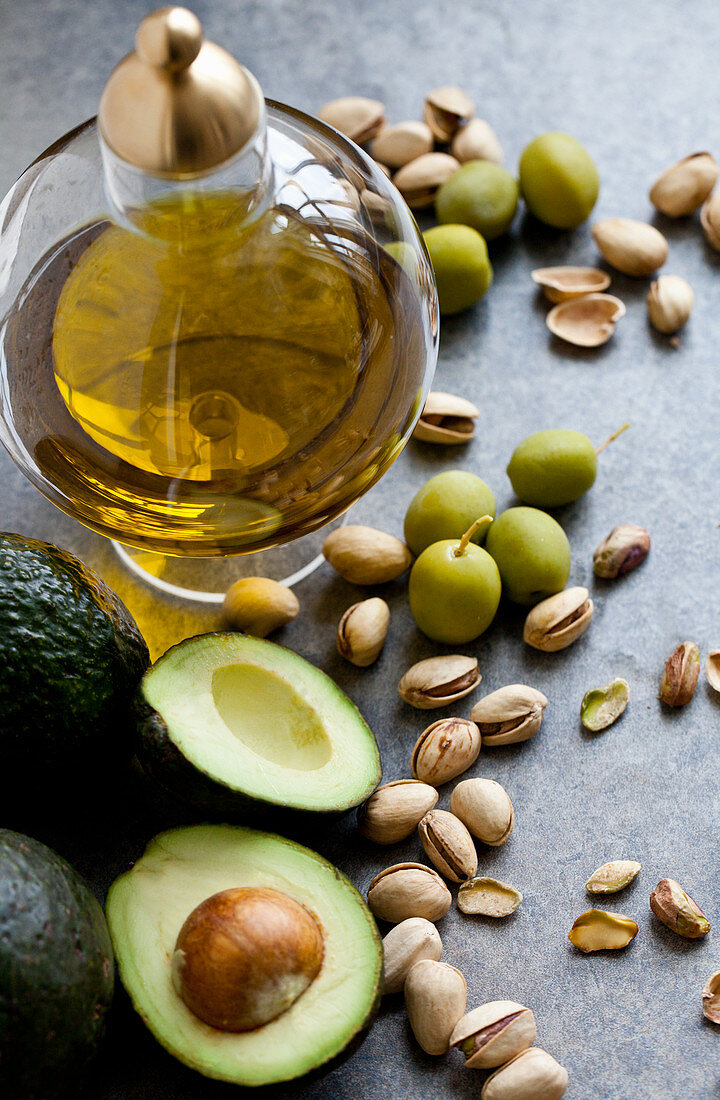
Here’s a breakdown of each macro: what it does, good food sources, and a realistic UK-lifestyle tip.
Proteins
What it does: Builds and repairs muscle and tissue, supports immune and hormone systems. (bant.org.uk)
Sources: Chicken breast, turkey, fish, eggs, beans, lentils, tofu, Greek yoghurt. (Healthline)
Lifestyle tip: On a busy weeknight I’ll throw two eggs + beans on toast and know I’ve got a solid 20-30 g of protein in. That helps me feel less “hungry again in an hour”.
Carbohydrates
What it does: Mainly your body’s main fuel for daily activity, brain function and workouts. (bant.org.uk)
Sources: Whole grains (oats, brown rice), starchy veg (potatoes, sweet potato), fruit, legumes. (Healthline)
Lifestyle tip: If you know you’ll be on your feet or doing errands, I’ll pick a jacket potato + veggie chilli rather than just a salad (so I bank some carbs for the day).
Fats
What it does: Supports hormones, helps absorb fat-soluble vitamins (A, D, E, K), keeps you satiated. (Fitness Collective)
Sources: Olive oil, avocado, nuts, seeds, oily fish like salmon. (Darren Nickerson Personal Training)
Lifestyle tip: I keep a small pot of mixed nuts in my bag. If I’m out and feel a dip, rather than reaching for a sugary snack, the nuts give me good fats and help stop a slump.
How much of each macro do you need?
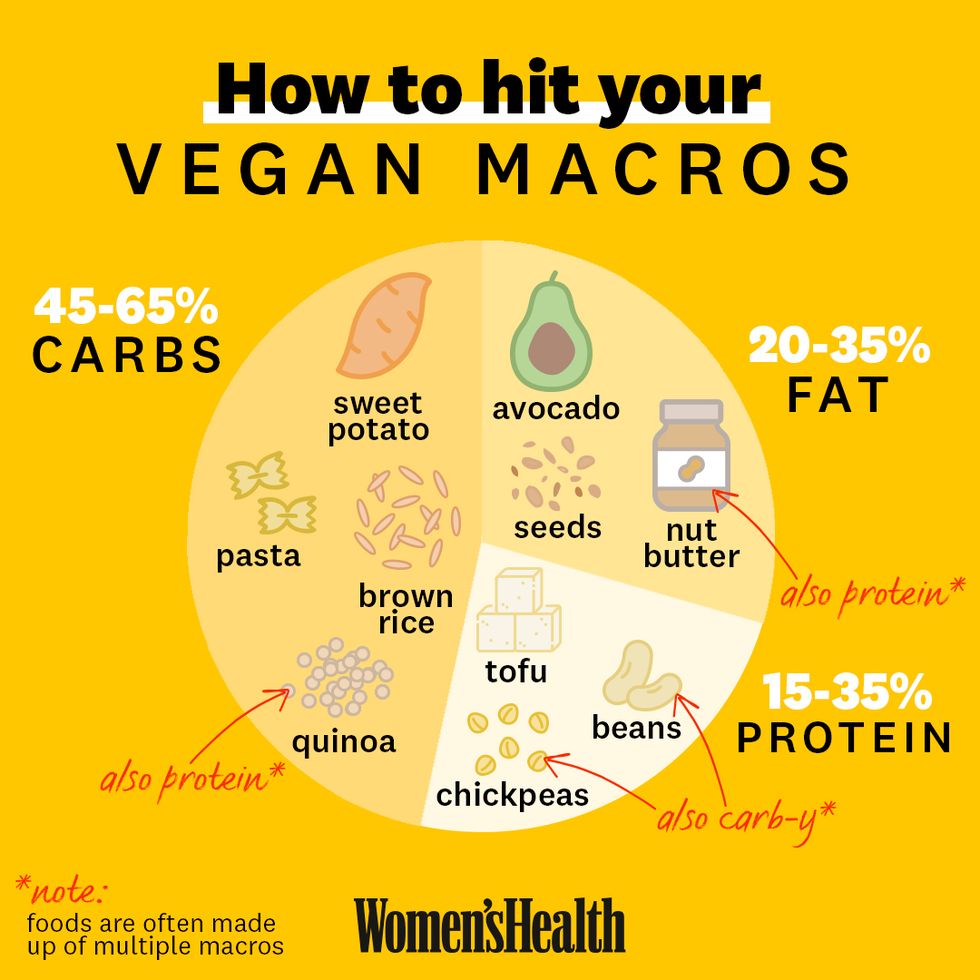
There’s no one-size-fits-all answer here, because your age, sex, activity level, goals (lose fat? build muscle? maintain weight?) all matter. But we can start with good general guidelines, then I’ll show how to tailor them.
General guidelines
- Carbs: ~ 45-65% of daily calories. (Healthline)
- Fats: ~ 20-35%. (Healthline)
- Protein: ~ 10-35% (but many fitness experts lean higher for active people). (Healthline)
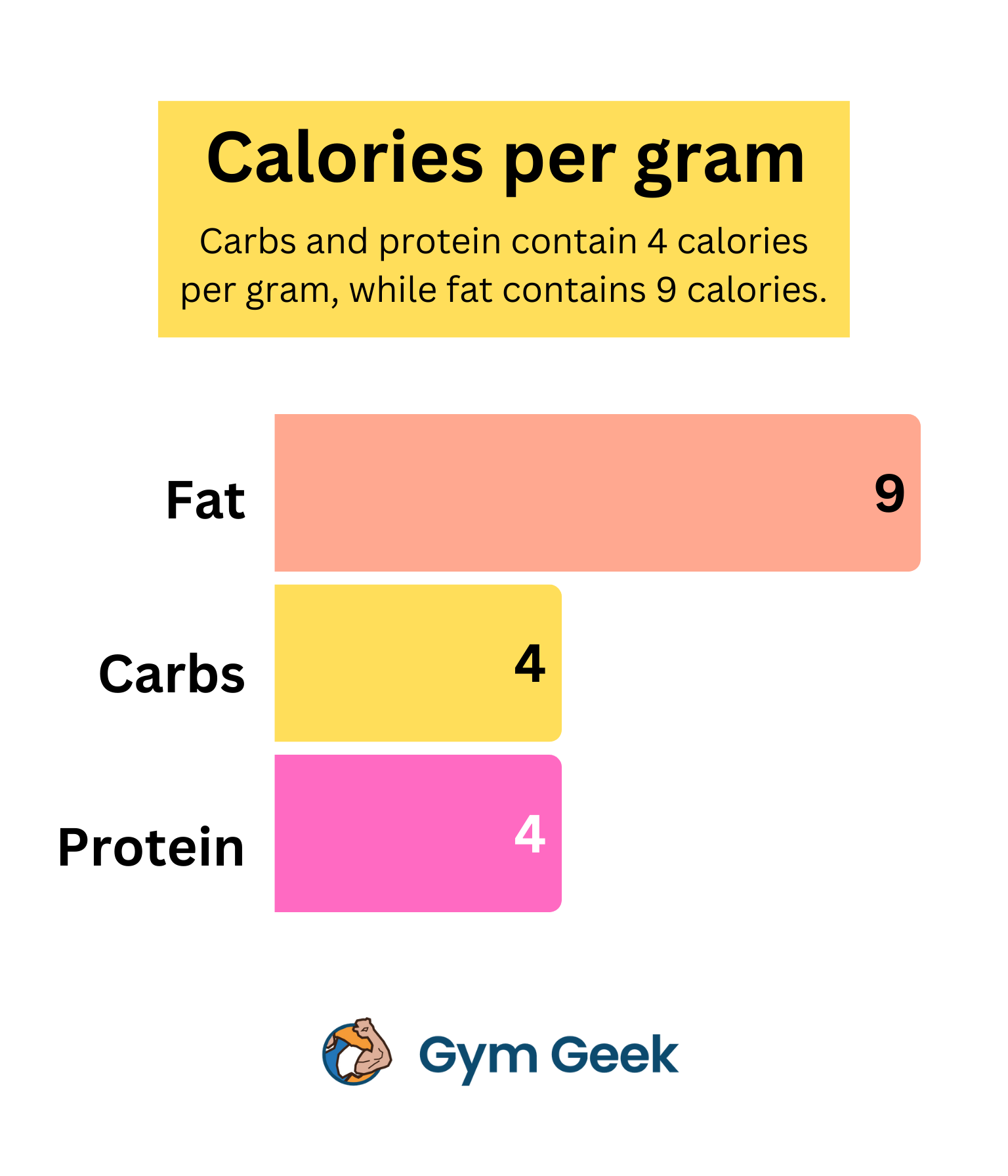
- Calories per gram:
- Protein: 4 kcal/g
- Carbs: 4 kcal/g
- Fat: 9 kcal/g (Women’s Running)
Example calculation
Let’s say you decide your daily calorie target is 2,000 kcal. You pick this split: 30% protein, 50% carbs, 20% fat. Here’s how you’d work that out:
- Protein: 2,000 × 0.30 = 600 kcal → 600 / 4 = 150 g protein
- Carbs: 2,000 × 0.50 = 1,000 kcal → 1,000 / 4 = 250 g carbs
- Fat: 2,000 × 0.20 = 400 kcal → 400 / 9 ≈ 44 g fat
This kind of breakdown helps you move from “I’ll try to eat healthy” to “I know roughly what grams I’m aiming for”.
My rule of thumb
When I began, I aimed for:
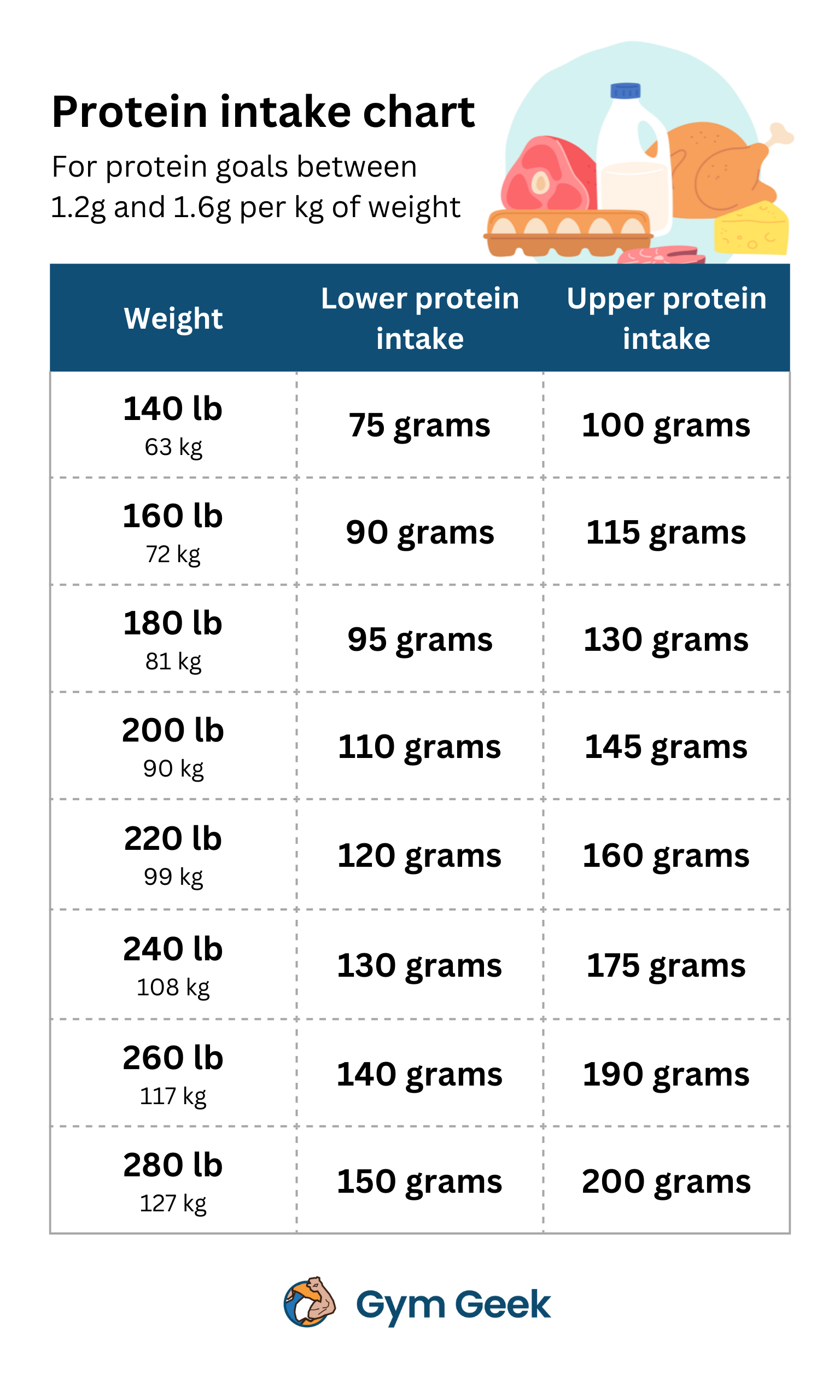
- Protein at least my bodyweight in kg × 1.2 (if doing some strength work)
- Carbs enough that I wasn’t feeling drained in the afternoon
- Fats moderate but included every day (nuts, oil, fish)
It wasn’t perfect, but the consistency helped.
How to count your macros – in a realistic, sustainable way


1. Choose your calorie target
You can estimate using an online calculator (for UK). If you’re aiming to maintain weight, you’ll use your general calories needed; if you want to lose fat, pick a small deficit; if you want to gain muscle, a small surplus. (If unsure, seek a registered dietitian.)
2. Choose your macro split
Pick something that aligns with your goal and lifestyle. For example:
- Maintenance: 30% protein / 40% carbs / 30% fat
- Fat loss: 35% protein / 30% carbs / 30% fat
- Muscle gain: 25% protein / 50% carbs / 25% fat (Fitness Collective)
3. Convert percentages into grams
Use the calculation example above. Access to a food scale, or good app helps. (Juniper)
4. Track your food intake
Tracking doesn’t need to be obsessive. Some ways:
- Use apps (MyFitnessPal, Cronometer) and plug in what you eat. (Healthline)
- Weigh/measure food when you can.
- Learn rough portion sizes (palm = protein, fist = carbs, thumb = fats). (Juniper)
- Track maybe 3-5 days a week until you get used to it.
5. Review and adjust
After 2-4 weeks: look at how you feel, your energy, your performance, maybe weight or body composition. If you’re not seeing the shifts you hoped for (but you’ve been consistent), tweak: either calories or macro split slightly.
My three personal tracking rules
- I never tracked every single meal — I picked key ones (dinner + one snack) and learned from that.
- On weekend social meals I relaxed a little — one “free meal” didn’t derail my progress.
- I focused first on hitting protein and decent carbs—fats I let vary naturally (within reason).
This meant the process felt manageable, rather than a chore.
Common myths (and the real story)


Myth 1: “Carbs make you fat”
Reality: Carbs are important fuel, especially if you’re active. It’s not that carbs are bad—rather, the type and quantity matter. Whole grains, fruit, legumes provide nutrients and fibre. (Darren Nickerson Personal Training)
Myth 2: “Fats are unhealthy, I should cut them”
Reality: Some fats (trans-fats, too many saturated fats) are less good. But healthy fats (nuts, seeds, oily fish, olive oil) are very beneficial—for hormones, brain, satiety. (Fitness Collective)
Myth 3: “If I hit my calories, macros don’t matter”
Reality: Calories matter, but so do where those calories come from. If you hit your calories but with low protein, little fibre, lots of junk, you may feel tired, your recovery might suffer, you might lose muscle instead of fat. (Focused Nutrition)
Myth 4: “I must be perfect every day”
Reality: There’s no need to be perfect. Many people online get stuck worrying about being exact. One Reddit user put it well:
“You’re being weird about it… macros aren’t a perfect science, you should always expect food to have slightly more or less than what’s listed in the app.” (Reddit)
What matters more is consistency over weeks, not flawless days.
Practical UK-friendly meal ideas to hit your macros

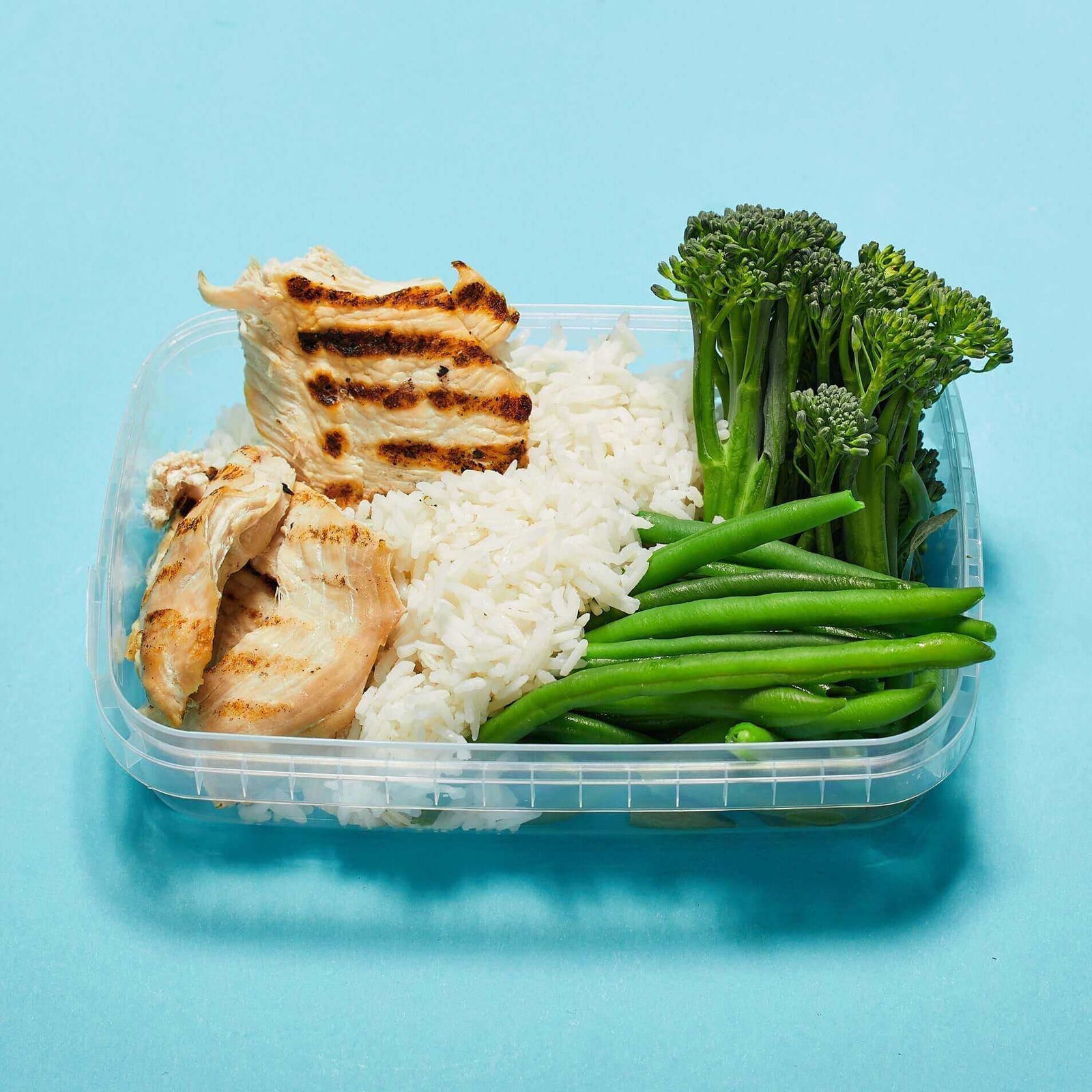

Here are simple meals I use (and you can adapt) to help hit macro targets.
| Meal | Macro goal focus | Example & notes |
|---|---|---|
| Breakfast | Protein + carbs | Porridge oats (40g) with skimmed milk, banana, and a scoop of Greek yoghurt. ~20g protein + 50g carbs. |
| Lunch | Balanced | Grilled chicken breast (150 g), sweet potato (200 g), mixed salad with olive oil. ~30g protein, ~40g carbs, ~10-12g fats. |
| Snack | Fats + protein | Handful of nuts + cottage cheese or a boiled egg. |
| Dinner | Carbs (especially if active day) + protein | Salmon fillet (150 g), brown rice (150 g cooked), steamed veg, drizzle of olive oil. ~30-35g protein, ~45g carbs, ~15g fats. |
| Evening treat | Flexible | If you’ve got some “macro room”, maybe a square of dark chocolate + glass of milk. Doesn’t ruin things, just adjust other meals. |
My tip: build meals around the macro you care about most
For me, that was protein. I’d decide “I’ll hit ~120 g protein today”. Then I’d pick my meals to ensure that. Once protein was covered, I’d fit in decent carbs and let fats fill in naturally. For many people, this helps rather than trying to aim for three perfect numbers every meal.
When counting macros might not be the right approach
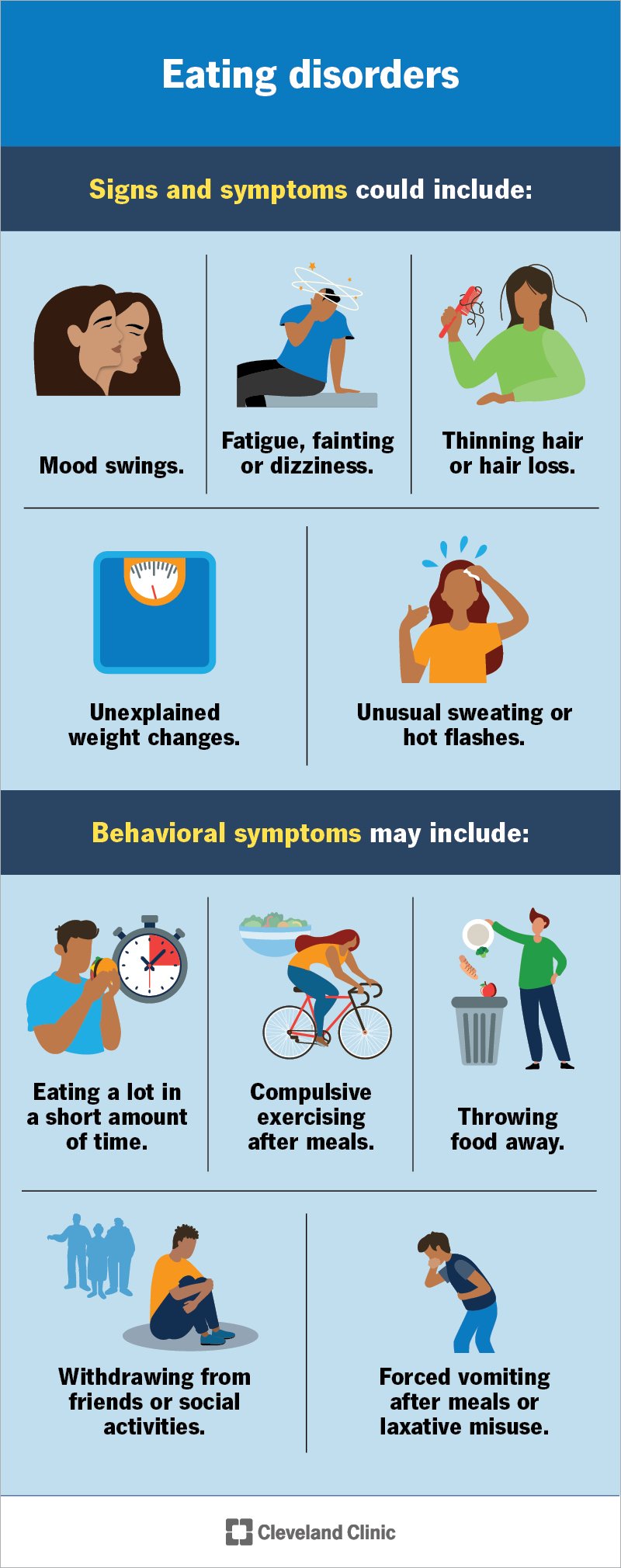

Tracking macros can be very helpful—but it’s not a fit for everyone. Some situations where caution is needed:
- If you have or had an eating disorder: Rigid tracking can trigger unhealthy behaviours. (EatingWell)
- If it causes you anxiety, obsessive behaviour or takes over your life more than helping it.
- If your lifestyle or job is highly irregular and tracking would add stress instead of benefit.
- If you only want a general healthy eating pattern and don’t want to track at all: That’s perfectly valid too.
In these cases, focusing on food quality, balanced meals, portion awareness and mindful eating might make more sense.
FAQs: Your common questions answered
“How quickly will I see results from counting macros?”
It depends on your goal (fat loss, muscle gain, energy improvement). For me, I started noticing: better energy in 2-3 weeks, clothes fitting better in 6-8 weeks. Don’t expect overnight miracles—consistency over months wins.
“Do I have to weigh everything I eat?”
No. You can weigh food for a week or two to learn what portions look like, then you can eyeball with reasonable accuracy. One hand rule: palm = protein, fist = carbs, thumb = fats. (Juniper)
“What if I’m vegetarian or vegan – do macros still apply?”
Absolutely. Protein sources change (beans, lentils, tofu, quinoa, vegetarian “meats”), but the same principles apply: ensure enough protein, get your carbs from whole grains/veg, fats from nuts/seeds/plant oils.
“Should I track macros every day forever?”
Not necessarily. Some people track strictly for a phase (e.g., 8-12 weeks). Then they switch to a more relaxed “balanced eating” mode while retaining the awareness. I personally did this: tracked for three months until I ‘got it’, then relaxed into “hit roughly my protein, decent carbs, include good fats” mode. Balance, not perfection.
“What about alcohol and treats?”
Include them in your calories/macros. If you have a few units of wine or beer, account for the calories and likely carbs. Tracking helps you make informed decisions rather than “I’ll just have it and forget”. As always in life: treats don’t have to be off-limits—but don’t make them derail your efforts repeatedly.
Final thoughts: The big message
Tracking macros isn’t about being rigid or perfect—it’s about understanding what you eat, giving your body what it needs and making food work for your goals and lifestyle.
Start simple. Focus on protein, include good carbs and healthy fats. Use tracking as a tool. Give yourself time. Be consistent. Be kind to yourself when things don’t go to plan (they won’t, sometimes).
Over time you’ll find a way of eating that fits you, your body and your life—and that’s the real win.
