


The Busy Person’s Guide to Staying Fit: Workouts Under 30 Minutes

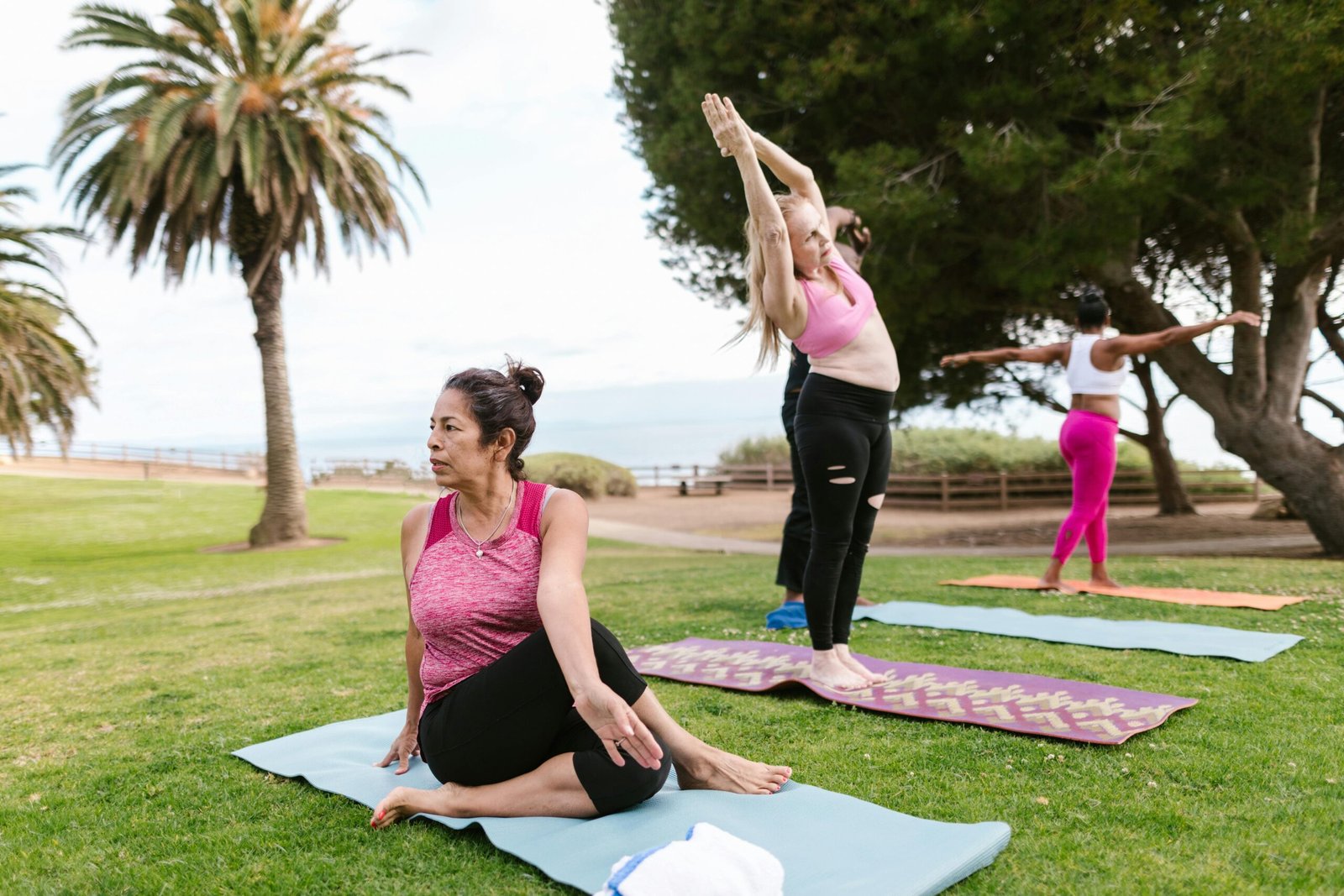
Let’s be honest: most of us are juggling work, family, commuting, maybe social life. The last thing many people have is an hour to spend in the gym. The good news? You don’t need an hour to stay fit.
Here are some reasons why a shorter workout can still deliver:
- Research shows that mini-workouts (even 10-15 minutes) can have similar health benefits to one longer session, especially if done consistently. (Healthline)
- Shorter sessions are more likely to fit into busy schedules, which means you’re more likely to stick with them. (ereps.eu)
- The intensity you bring can count. A briefer workout done well often beats a half-hearted long session. (AARP)
I remember when I had a very intense job and a young child. One night, I realised that instead of skipping exercise altogether, I could commit to 20 minutes at home three times a week. I chose body-weight circuits in my living room. After a few months I noticed I wasn’t as tired after work, I was sleeping a little better, and I could carry shopping bags without feeling my shoulders ache. The “short but regular” routine made the difference.
What “under-30-minute” means and how to pick your style
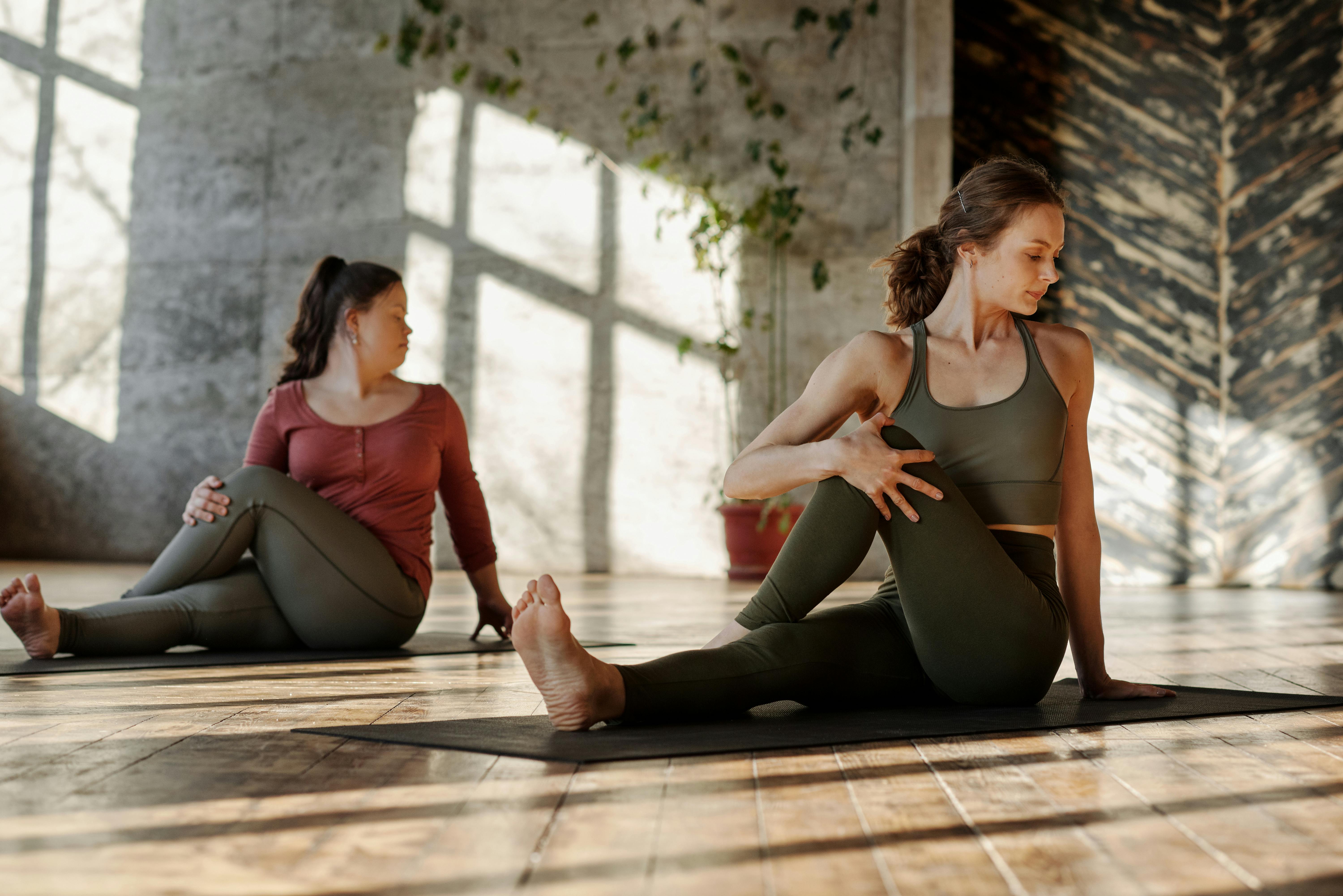
Photo by Pexels
Two common formats
You can pick what suits you. Here are two effective formats:
| Format | Length | Focus | Why it works |
|---|---|---|---|
| Full 20-30 min session | 20–30 minutes | Warm-up + main workout + cool-down | A full block you can schedule like a mini-appointment. |
| Two 10-15 min sessions | 10–15 minutes (twice a day or different days) | Quick, purposeful work | Easier to slot in when your schedule is unpredictable. |
My preference
In my busy weeks I often used the “two 12-minute sessions” approach: one right after work, one just before dinner. It meant I got two bursts of movement, rather than waiting for a long block that often didn’t materialise.
What to include in a short workout
- Warm-up: 2–4 minutes (light cardio or mobility moves)
- Main set: 12–20 minutes (you can do bodyweight, dumbbells, circuits)
- Cool-down: 2–4 minutes (mobility or stretching)
Experts say compound movements (ones working multiple muscle groups) are key in short sessions. (Medium)
Sample workouts you can do in ~25 minutes

Photo by Pexels
You don’t need fancy equipment. Just comfortable clothes, maybe a mat or small dumbbells if you have them. Here are three sample routines:
1. Full-body circuit (approx 25 minutes)
- Warm-up (3 mins): marching on the spot, arm circles, leg swings
- Circuit (repeat 3 rounds, ~6 mins per round):
- Squats × 15
- Push-ups (knees or full) × 10
- Bent-over rows (dumbbells or bands) × 12
- Plank holding 30 seconds
- Jumping jacks or high knees × 30 seconds
Rest 30–60 seconds between rounds.
- Cool-down (2 mins): standing hamstring stretch, shoulder stretch, deep breathing
2. Cardio-focused mini-session (approx 20 minutes)
- Warm-up (2 mins): light jog on spot, dynamic leg swings
- Main (15 mins): set a timer, then alternate:
- 45 seconds work (burpees / mountain climbers / fast feet)
- 15 seconds rest
Repeat for 10 rounds.
- Cool-down (3 mins): walking on spot, deep breaths
3. Strength & mobility (approx 25 minutes)
- Warm-up (3 mins): cat/cow, hip circles, arm swings
- Strength block (2 sets):
- Glute bridges × 15
- Dumbbell shoulder press × 12
- Lunges × 10 each leg
- Side plank 20 seconds each side
- Mobility/cool-down (5 mins): child’s pose, chest opener, seated twist, deep breathing
Feel free to pick one of these each week—or mix and match depending on how you feel.
Practical tips to make these work in your life
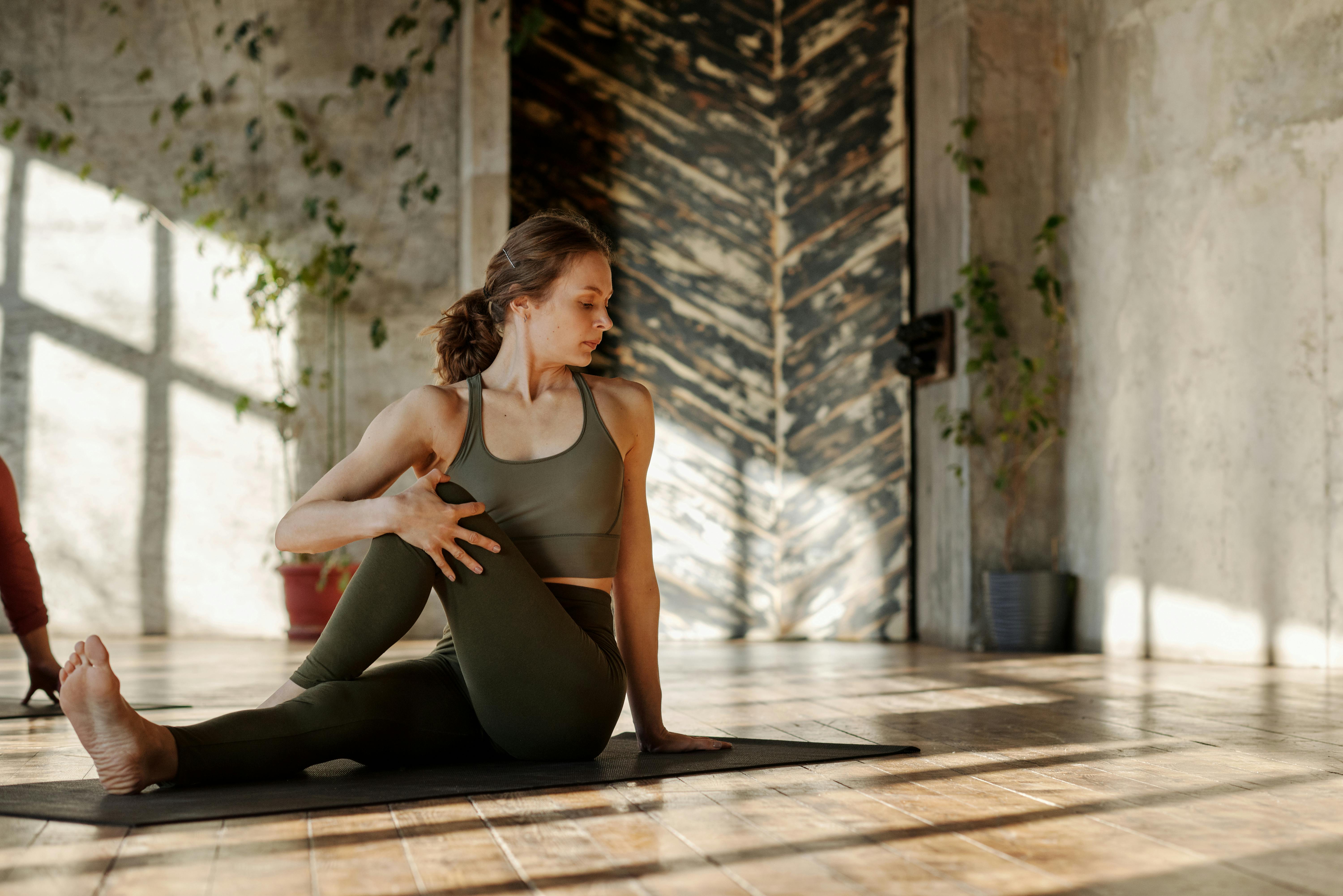
Photo by Pexels
Here are tips that helped me (and many others) actually stick to short workouts:
- Schedule it like a meeting: Block out 20-25 minutes in your diary or phone reminder.
- Pick a consistent time: Morning before the rush, lunch break, or right after work—when you’re most likely to do it.
- Prepare your space: I keep my mat rolled out and dumbbells beside the sofa. Reduces the “I’ll get to it later” hurdle.
- Use “trigger” habit: After I made a cup of tea, that was the cue: “Do 20 minutes now”.
- Keep variety: If I did strength on Monday, I’d choose cardio on Wednesday, mobility on Friday—so workouts felt fresh.
- On days you’re drained: Do a 10-minute version rather than skip altogether. Research shows short bursts matter. (Harvard Health)
- Track small wins: I noted how many sessions per week I did, and when I hit 3+ I’d feel good.
- Be kind to yourself: Busy week? Two short sessions are still better than zero. Missing sessions? Just resume next day.
What about goals like losing weight, building muscle, or just staying healthy?
Short workouts can absolutely help, but the key is consistency, good nutrition, recovery, and adjusting the plan as needed.
- For weight loss: Make sure you’re doing some cardio + strength, and keeping your diet in check.
- For building strength: You may need to increase load or add more sessions eventually, but short workouts can still serve as your base.
- For general health: These short routines tick a lot of boxes—movement, heart rate, strength, mobility.
Research backs this: “Short, intense workouts are beneficial … even two-minute bursts of activity are associated with health benefits.” (UCLA Health)
Real-life story: How “Mary” squeezed fitness into a hectic week
Mary is a project manager in London, working long hours, commuting, and looking after her weekend social life. She used to say: “I just don’t have time for the gym.”
Here’s what she did:
- Set 25 minutes on Monday, Wednesday and Friday mornings (before everyone else was up)
- Used a full-body bodyweight routine (squat, push-up, plank, lunge) in her living room
- Kept her sneakers beside the bed so she could jump out and start when alarm went off
- After 6 weeks she noticed she felt less tired during her commute, back-ache from sitting at desk reduced, and she had more energy for weekend walks
- She didn’t become a gym-rat. She just found something manageable and stuck to it.
Her takeaway: “It’s not about doing a huge workout every day. It’s about doing something regularly.”
Frequently asked questions
Q: Can a 20-minute workout really make a difference?
A: Yes. Studies show just 10-15 minutes of moderate to high-intensity work can be effective for health, fitness and muscle activation. (Healthline)
Q: Do I still need to warm up and cool down if I’m only doing 20 minutes?
A: Definitely. Even short sessions benefit from a warm-up (2-4 minutes) and a cool-down or mobility finish. It helps with injury prevention and recovery. (Medium)
Q: What if I’m too busy even for 20-25 minutes?
A: That’s okay—do what you can. Even “exercise snacks” of 5-10 minutes count. The most important thing is moving regularly over time. (ereps.eu)
Q: Should I still do longer workouts sometimes?
A: If you enjoy them and have the time, yes. Mix is good. But if your schedule is unpredictable, the short ones will keep you consistent—which matters most.
Final word
You don’t have to wait for a “perfect time” or a long slot in your diary to stay fit. By committing to under-30-minute workouts, you can make movement a regular part of your busy life. The key is being consistent, picking routines you can do, and making it part of your day.
Start small. Pick a routine today. Block the time. And before you know it, you’ll be one of those people who never seems to have time—but somehow manages to stay active and feel better for it.
