


How to Find Cheap Flights: 15 Proven Strategies UK Travel Experts


Travelling from the UK on a budget doesn’t mean compromising your destination or comfort. With the right strategies, you can unlock significantly cheaper airfares and travel smarter. In this article, we explore 15 proven techniques used by UK travel experts to find cheap flights—so you can get more value out of your trip and spend less on the ticket. From when and how to book, to clever hacks with airports and airlines, each of these steps can make a real difference.
1. Be Flexible With Dates & Destinations


One of the most consistent recommendations from travel experts is flexibility. If you’re rigid about flying on a specific date or to a specific airport, you’ll often pay a premium. According to one UK travel guide: “Flying during off-peak times or being flexible with your departure and return dates can result in significant savings.” (Crystal Travel Blog)
Why it works: Airlines price seats based on demand. If you pick dates when fewer people are travelling, you’ll likely hit lower fares. Also – using a “whole month” or “cheapest month” view on flight search engines can show you when the lowest fares are available.
Pro tip: Instead of entering fixed dates, use tools like the calendar view in Skyscanner or Google Flights and set “Flexible dates” to see the cheapest options across a range. (Holiday Expert)
2. Fly Mid-Week & Avoid Peak Days


Another well-worn tip: depart or return on a Tuesday, Wednesday or Saturday rather than peak days like Friday or Sunday. Research shows weekend travel often costs more. For example, one student-travel guide states that Tuesdays, Wednesdays and Saturdays tend to be the cheapest days to fly. (Save the Student)
Why it works: Higher demand from business travellers (often Monday/Thursday) and leisure travellers (Friday/Sunday) drives up fares. Mid-week sees less demand, so airlines lower prices to fill seats.
Pro tip: Use the “whole month” calendar view in your search engine and compare mid-week dates. Also consider staying a Saturday night to capture cheaper outbound or return fares.
3. Compare Multiple Airports

Don’t restrict your search to just one airport. Departing from a major hub (e.g., London Heathrow Airport) might be convenient — but often more expensive. Using nearby or secondary airports (eg. London Gatwick Airport, Manchester Airport, Birmingham Airport) can yield better deals.
According to a travel-tips article: “Choose a smaller airport for your departure as these may entail less taxes as compared to the major hub airports.” (Holiday Expert)
Why it works: Lower airport fees, less demand and more competition among low-cost carriers often means lower fares.
Pro tip: When doing your search, click “Add nearby airports” or manually include airports within a reasonable distance. Factor in ground transport time/cost to make sure the savings are real.
4. Use Flight Comparison Engines & Set Fare Alerts
Comparison websites are your friend. Sites like Cheapflights let you compare thousands of flights across airlines and agents. (Cheapflights) And you can set fare alerts so you’ll be notified when prices drop. The UK guide emphasises: “Subscribe to fare alerts … they’ll notify you when prices drop for specific routes.” (Crystal Travel Blog)
Why it works: You avoid constant manual checking. Alerts let you pounce on deals as soon as they appear.
Pro tip: Set alerts for your target route, but also for “anywhere” if you’re flexible on destination. This way you’ll get informed of standout deals you might not have considered.
5. Book at the Right Time (Booking Window)

When you book your flight is just as important as when you fly. While the “perfect” time differs by route and airline, general UK travel expert advice includes: avoid waiting too long and don’t always assume early is best. A Rough Guides article explains how to “unlock the secret to affordable travel” via timing. (Rough Guides)
Rule of thumb:
- For UK short-haul/European flights: booking ~2-3 months in advance often gives a sweet spot.
- For longer-haul: 3-6 months may be ideal.
Why it works: Airlines use dynamic pricing; as seats fill, the fare goes up. Book too early and you might miss late-sales; too late and you’ll pay top price.
Pro tip: Use the comparison engine’s calendar tools to watch price trends. If you see a fare drop, don’t assume it will go even lower — set a target price and book once you hit it.
6. Consider One-Way Tickets & Mix Airlines

Booking a return ticket with one airline isn’t always the most economical choice. Sometimes buying two one-way tickets (even with different airlines) can be cheaper. A student-travel article notes “a lot of times one stop tickets or separate legs can cost less than bundling.” (arXiv)
Why it works: Airlines treat each leg separately in many cases; you may spot a cheaper outbound with one carrier and a cheaper return with another.
Pro tip: Search outbound and return separately in your comparison tool. Also check “multi-city” or “separate tickets” options. However, ensure connection, baggage rules and cancellation policies are clear (you’ll have less protection if split tickets).
7. Use Incognito Mode & Clear Cookies

There is debate whether airlines or OTAs increase fares if you repeatedly search the same route (via cookies). Many travel blogs suggest using private/incognito browsing or clearing cookies before a search. The Crystal Travel blog mentions this trick. (Crystal Travel Blog)
Why it might work: If your device shows you’re repeatedly searching the same route, some suspect the price you’re shown may go up simply to pressure you into booking.
Pro tip: To be safe, do your initial broad searches without login, use incognito mode, compare results across devices or networks. While this isn’t guaranteed — it’s a quick low-cost action that may help.
8. Be Flexible with Routes & Choose Connecting Flights

Direct flights are convenient but often more expensive. If you’re willing to take a stop (or two) you can save money. A student travel guide emphasises this: “Check the cheapest days to fly out … use flight price search engines … connecting flights may be cheaper.” (Save the Student)
Why it works: Lower demand on multi-leg routes means airlines price these more competitively to fill seats.
Pro tip: Use the search filter to allow 1 stop or “any stops”. Also consider flying into a major hub and then short-haul to your final destination via a low-cost carrier.
9. Use Alternative Airlines (Budget & Regional Carriers)

Don’t just search the big well-known airlines. Use budget carriers and regional airlines. The guide from HolidayExpert emphasises exploring “Explore everywhere” and smaller carriers to find bargain fares. (Holiday Expert)
Why it works: Budget airlines often undercut full-service carriers by reducing services, flying less desirable times or airports, and minimising costs.
Pro tip: Check baggage fees, seat selection charges and alternative airports. Sometimes the “cheap” option adds on so many extras that it becomes less cheap. Always check total cost.
10. Monitor Sales, Mistake Fares & Deal Alerts

Some of the best deals come when airlines or OTAs make a “mistake fare” or launch a flash sale. For example, the website Jack’s Flight Club monitors fare drops and alerts subscribers about error fares. (Wikipedia)
Why it works: These fares may last only hours or days, so keeping alert and ready to jump helps.
Pro tip: Sign up for deal newsletters (UK-based). Also follow social media travel deal accounts. When you see a deal, book quickly (but check the carrier’s legitimacy and cancellation rules). Don’t wait too long thinking it will drop further.
11. Check If Booking Through the Airline Directly Is Cheaper

While comparison websites are excellent for finding fares, sometimes booking directly with the airline might be cheaper — or at least give you better flexibility/support. A MoneySavingExpert guide notes how to “find the cheapest budget and long-haul flights” by checking across platforms. (MoneySavingExpert.com)
Why it works: Airlines may offer exclusive promotions on their own website, or the aggregator may add fees/markup. Also, direct booking often makes it simpler to handle changes or cancellations.
Pro tip: After finding a fare in the comparison tool, click through to the airline’s site to see if the fare drops further or a promo code is available. Keep an eye for “member only” fares.
12. Use Multi-City / Open-Jaw Tickets & Hidden City Tricks (with Caution)
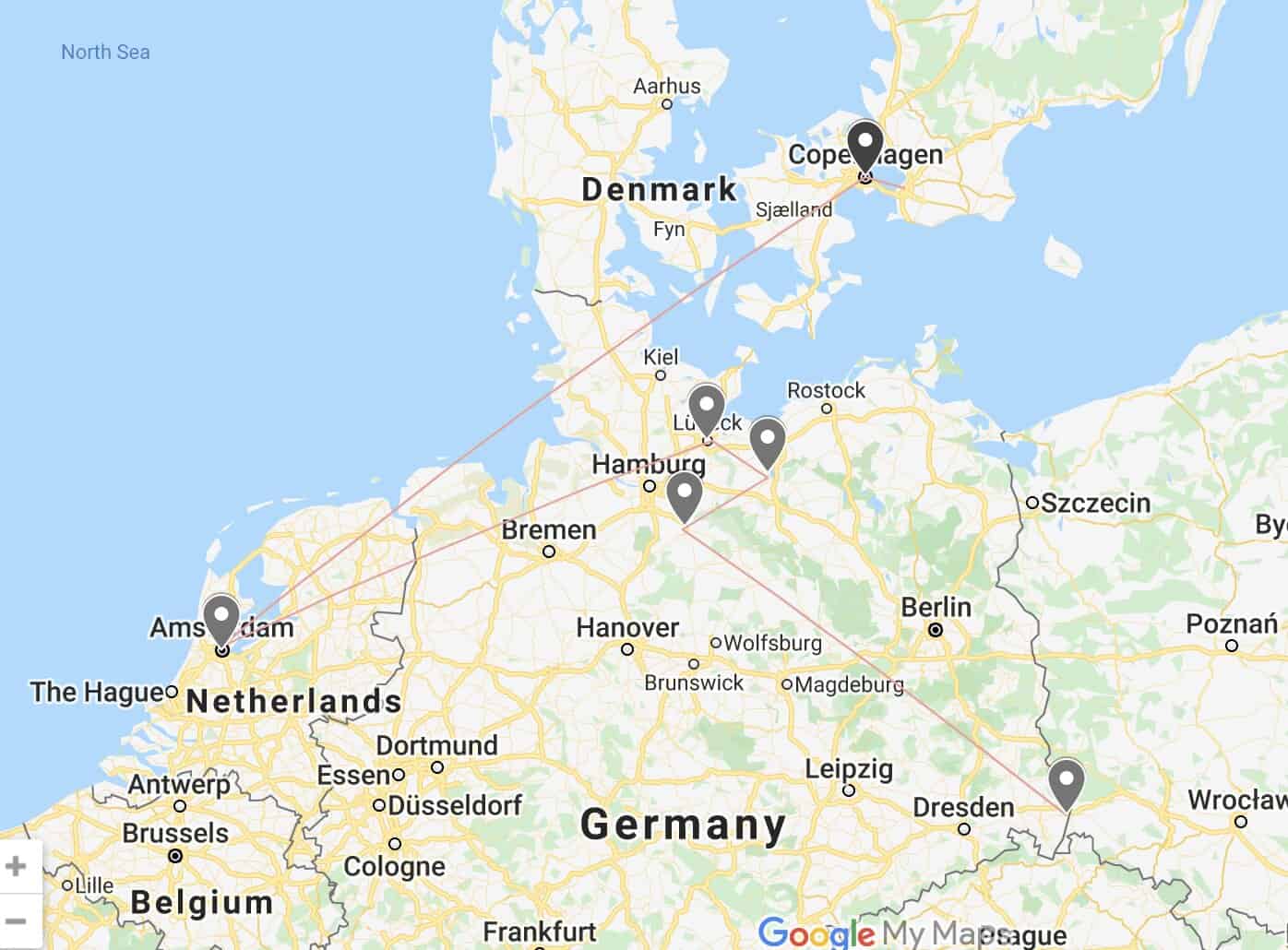
For more adventurous travellers, constructing multi-city (depart from A, return from B) or open-jaw tickets can cut costs. Some even use “hidden-city” ticketing (fly A→B→C but get off at B) though this carries risk. The academic paper on airline pricing shows that “a single leg flight is higher than two-leg flights… up to 24.5% of available fares” for certain routes. (arXiv)
Why it works: Airlines price by route and connection complexity; sometimes adding a leg makes the total fare cheaper.
Pro tip: Use multi-city search fields or manually check different route combinations. For hidden-city, be aware of the risks (baggage, airline policy, cancellation) and ensure it’s legal and safe for your travel scenario.
13. Consider Seasonality & Shoulder Seasons



Timing your travel relative to seasonal demand affects price a lot. Travelling during shoulder seasons (just before or after peak demand) often yields better deals. The Rough Guides article explains the importance of off-peak travel. (Rough Guides)
Why it works: Airline seats cost more when everyone wants them (school holidays, summer, major events). Shoulder season gives good weather/experience at lower cost.
Pro tip: Avoid major holiday dates, school break weeks and big events unless you’re prepared to pay. Use your date-flexibility tool to check months with lower fares.
14. Minimise Additional Costs (Baggage, Seats, Meals)

Getting a cheap headline fare is just part of the job. You must also check what’s included. A low-cost carrier might tempt you with a low fare but add large fees for checked baggage, seat selection, in-flight meals or priority boarding. The Times of India style article highlights how dynamic pricing and ancillaries affect total cost. (The Times of India)
Why it works: A slightly higher base fare with inclusive baggage and seats may end up cheaper once you add extras to the “cheap” ticket.
Pro tip: Compare total landed cost (fare + baggage + seats + airport tax). Use filters in search engines to select “includes baggage” or manually check airline add-ons. If you travel light, purposefully choose “hand-luggage only” fares.
15. Re-Check After Booking & Use Price-Drop Guarantees
Even after you book, you can sometimes still save. Some airlines or OTAs offer price-drop guarantees or allow free cancellation if the fare drops. The travel news article notes that travellers have used deal-tracking services to spot cheaper fares after booking and then re-book. (The Sun)
Why it works: Airlines promote flexibility and competition; sometimes fares drop and you may qualify for a refund or credit.
Pro tip: After booking, set a fare alert for your route. If the fare drops significantly and your airline allows cancellation or change without heavy fees, consider changing. Also consider booking with an airline that explicitly offers price-drop protection.
Conclusion
Securing a cheap flight from the UK is absolutely achievable — but it requires a mix of strategy, flexibility and vigilance. By using the 15 proven techniques above, you’ll put yourself in a far stronger position to snag low-fare tickets:
- Be flexible with dates, airports and even destinations
- Fly mid-week or during off-peak times
- Use comparison tools and set fare alerts
- Book at the right time and consider one-way or multi-city options
- Analyse total costs (including baggage/seat fees)
- Re-check after booking for further savings
Often, the difference between a “normal” fare and a standout deal is simply applying one or two of these strategies. So the next time you’re planning a trip, use this checklist to get the best value for your flight. After all, the less you spend getting there, the more you get to spend on the experience.
Safe travels — and happy bargain hunting!
