


Budget-Friendly Food Shopping: How to Feed a Family of Four for £80 a Week


Feeding a family of four in the UK on £80 a week might sound like a big challenge — especially with rising food and energy costs. But with the right planning, smart choices and a few real-life tricks, it’s absolutely doable without resorting to take-aways or skipping essentials. I’ll walk you through how I do it in our household (and how you can too), and share expert tips to make it trustworthy and practical.
Why the budget matters now
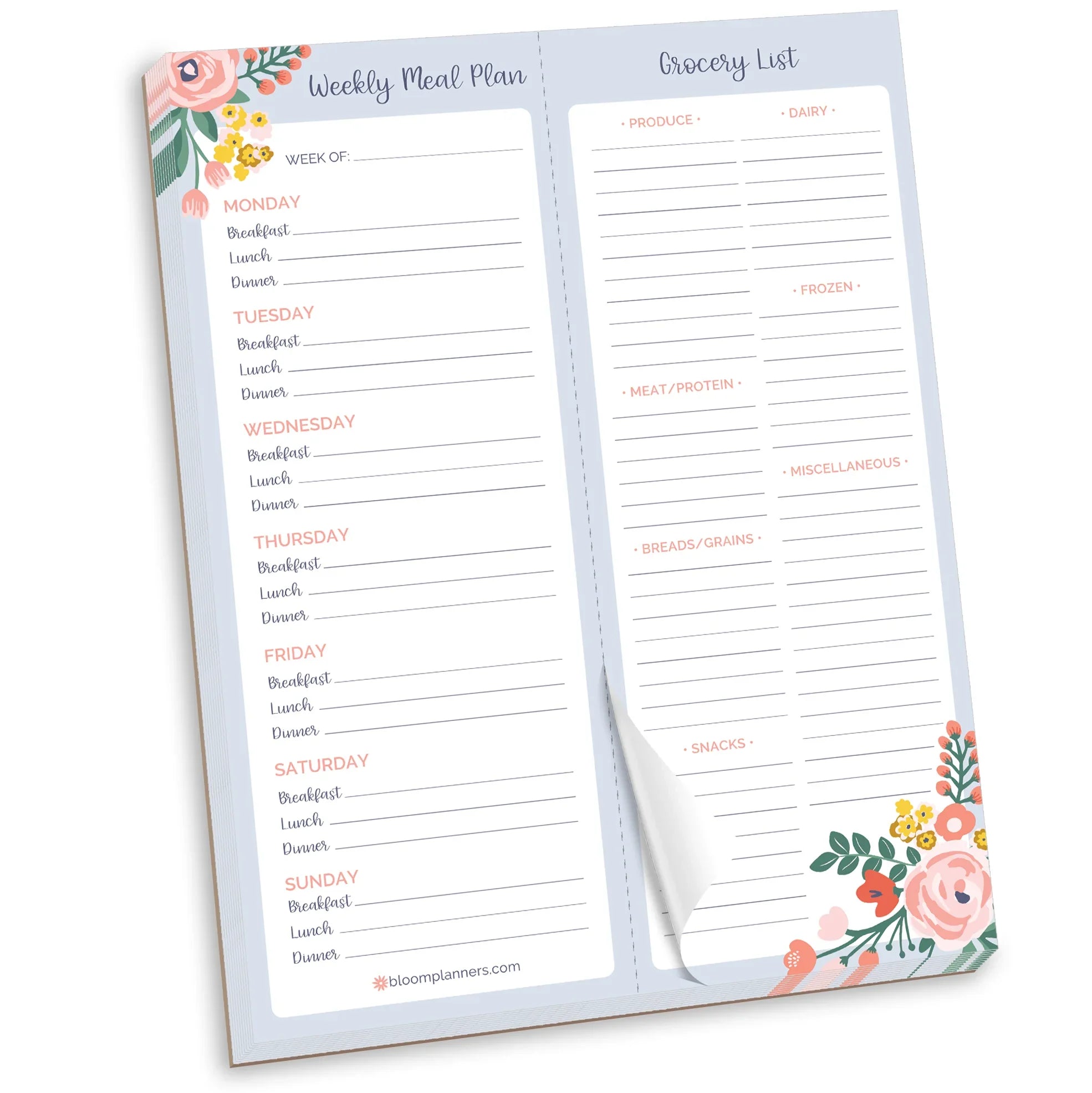
- Food prices have been increasing significantly in the UK, making budget-shopping more important than ever. (Wikipedia)
- According to dietitian Niamh Hennessy from Bupa: “It’s easy to forget what you already have … meal-planning is another way to minimise food waste. This is good for your budget but also the planet.” (bupa.co.uk)
- Feeding four on £80 works out at £20 per person per week (or £2.85 per person per day) — not lavish, but enough if you choose wisely.
My approach (real life-style)
What I do every week:
- I set aside a fixed £80 shopping budget (no sneaking over).
- I look at our meal plan first, then check what’s already in the cupboards/freezer.
- I shop with a list, stick to it, avoid impulse buys.
- I batch-cook where possible (makes things cheaper & easier).
- I focus on meals that stretch: big pot dinners, leftovers, frozen portions.
One week last month we spent:
- Whole chicken (£5)
- Bulk bag of rice (£2)
- Bag of frozen mixed veg (£1.80)
- 4 loaves of sliced bread (£2.50)
- Fruit & veg for the week (£10)
- Cans / staples (£6)
- Snacks for kids (£4)
- Milk / dairy / eggs (£5)
- Meat/fish budget (£12)
- Misc / treats (£6.70)
= £54.00 (giving us a £26 buffer in the £80 budget to upgrade something or save for next week).
It shows that hitting £80 is definitely realistic with some extra margin.
1. Start with a weekly meal plan
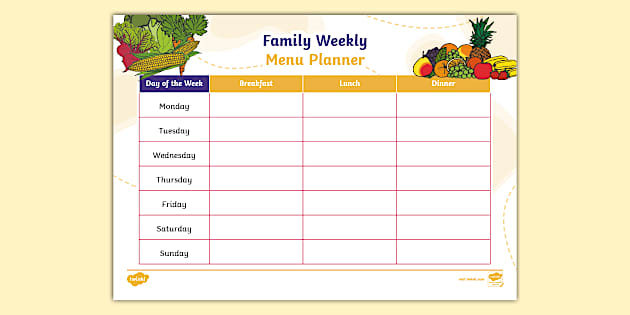


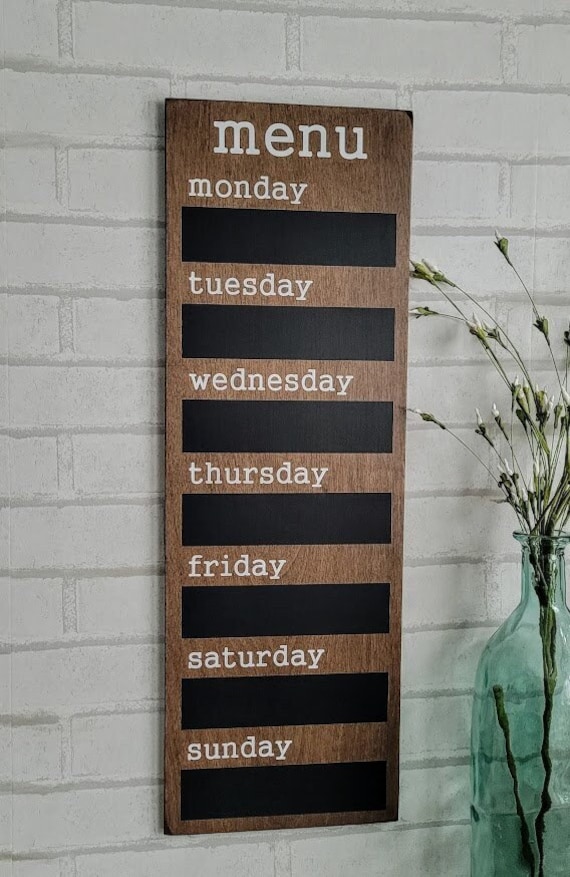

Here’s how to build a useful plan:
- Check what you already have – look in the fridge/cupboard/freezer. Wasting food means wasted money. This is one of the expert tips from Bupa. (bupa.co.uk)
- Choose 5–7 meals you’ll cook for the week (plus breakfasts and lunches).
- Write your shopping list from that meal plan (and only that).
- Pick two stretch-meals (big batches you can reuse or freeze) and one ‘treat’ meal if budget allows.
- Include one vegetarian meal (plant-based meals often cost less). According to budget-eating advice from MoneyHelper: pulses, tinned beans and frozen veg are key budget-friendly items. (MaPS)
Example Weekly Dinner Plan for Family of Four:
| Day | Dinner |
|---|---|
| Monday | Vegetable chilli with rice and beans (make double) |
| Tuesday | Roast whole chicken, roast potatoes, frozen peas |
| Wednesday | Left-over chilli served as wraps/spicy rice |
| Thursday | Spaghetti with tinned tomatoes & lentils + side salad |
| Friday | Fish fingers (own-brand) with mash and carrots |
| Saturday | Stir-fry: cheap cut of pork/beef or tofu with mixed veg & noodles |
| Sunday | Big veggie soup (carrots, potatoes, frozen veg) + bread |
When you plan ahead like this, you avoid the “What’s for dinner?” panic and the temptation to order take-away.
2. Choose your supermarket & own-brand wisely

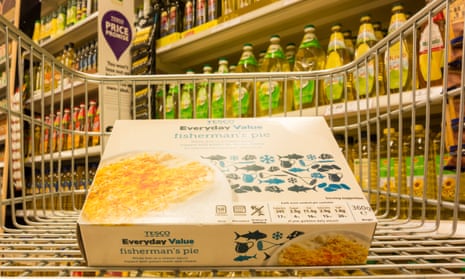


- Buying own-brand (supermarket’s own label) rather than big brands is one of the largest savings you’ll make.
- According to Which?: “Budget ranges can go by many names” at UK supermarkets — it’s worth knowing which is the cheapest.
- If you have time to check different shops (or online), you may find big differences week-to-week.
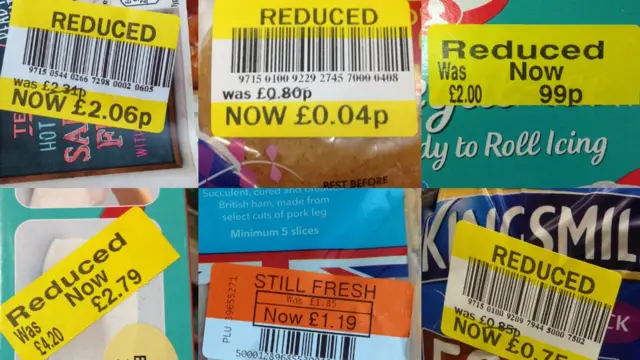
- Use yellow sticker/reduced-to-clear items for veg, dairy or meat if you’ll use or freeze them.
- Don’t buy more of something just because there’s a deal; buy only what fits your meal plan and storage.
Tip: I once grabbed 2 bags of wonky veg (at a discount) and used them over lunches & soups — worked out cheaper than buying perfect produce for some dishes.
3. Focus on budget-friendly ingredients that still give good nutrition


Here are some ingredients I rely on that keep costs down and still deliver on nutrition:
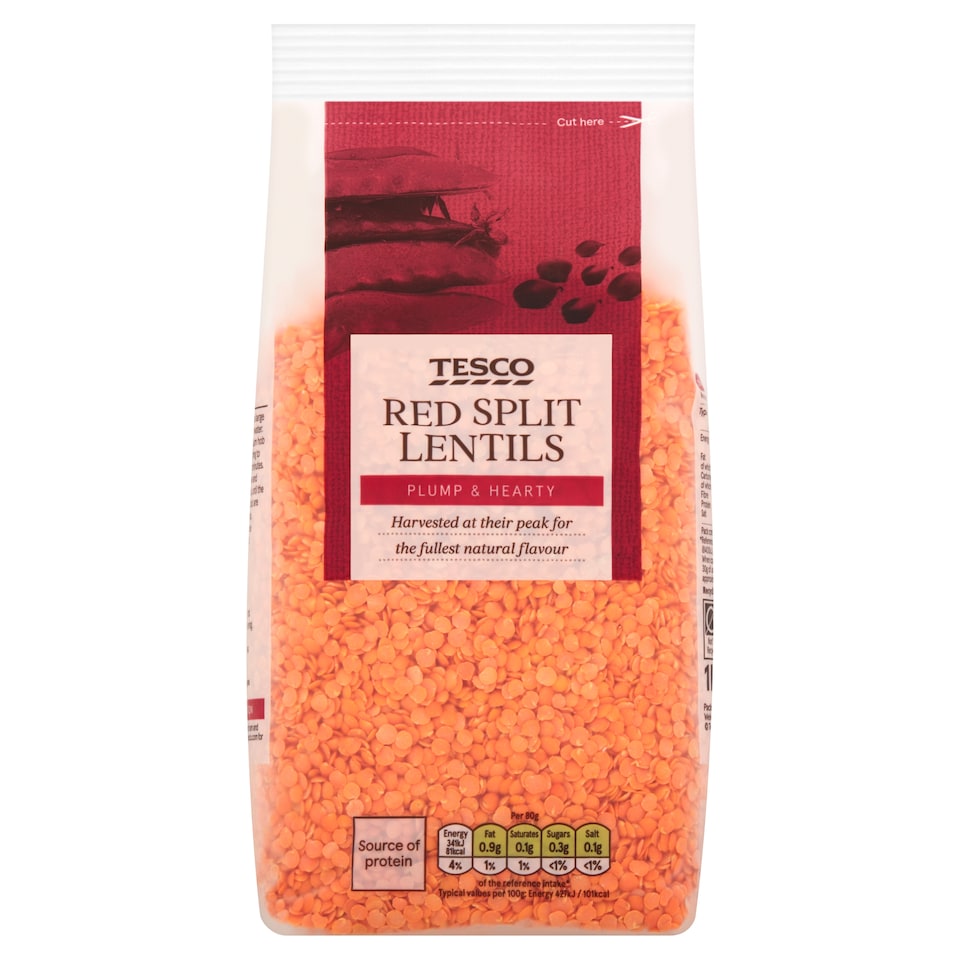
- Pulses & beans (lentils, chickpeas, kidney beans): Cheap, filling and versatile. MoneyHelper says they help bulk meals and are budget friendly. (MaPS)
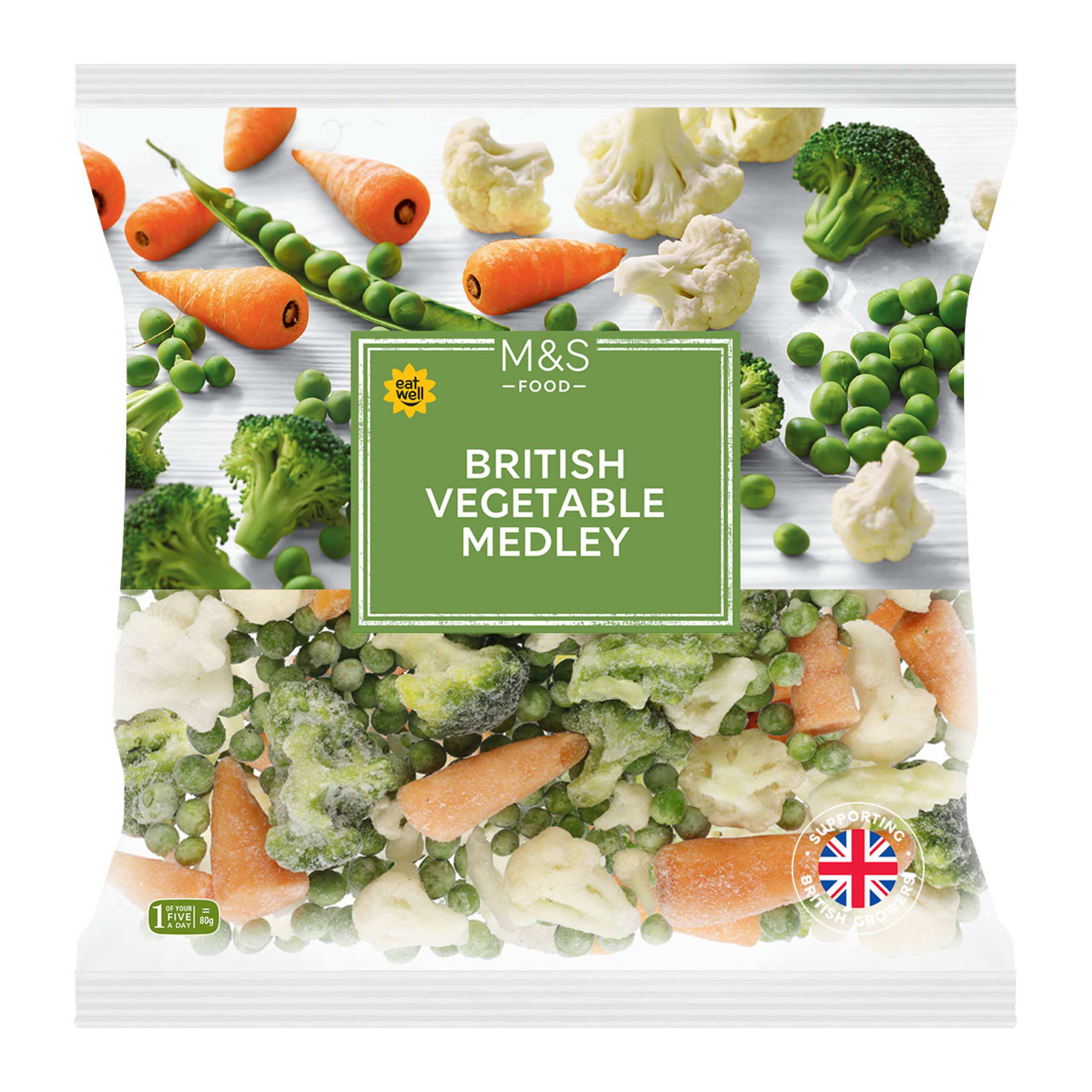
- Frozen vegetables: Often much cheaper per portion than fresh and just as nutritious. As the expert from Bupa pointed out: “Don’t fear frozen.” (bupa.co.uk)
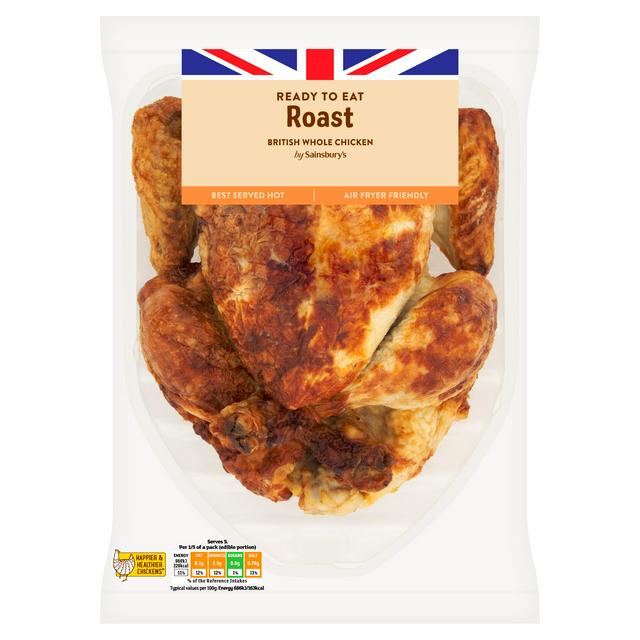
- Whole chicken: Much better value per kilo than pre-cut pieces. Roast once, use leftovers for sandwiches/salads.
- Large bags of rice/pasta/potatoes: Bulk carbs are your friends for stretching meals.
- Tinned tomatoes/sauces: A staple for making pasta, chilli, stews — very cost effective.
- Cheap cuts of meat or plant-based alternatives: Use them in stews or casseroles where you stretch with veg and pulses.
Example: For a chilli, I might use half mince + half lentils; that keeps the flavour but lowers cost substantially.
4. Batch cooking & freezing saves time and money





Batch-cooking is one of those habits that I didn’t always use, but once I did it made a big difference:
- Cook a double portion of something (e.g., curry, chilli, soup) then freeze half for another day.
- Label and date frozen portions — you’ll thank yourself later!
- On busy nights you have one less “What shall I cook?” decision.
- If you buy meat in bulk when on sale, freeze some for future use.
- Leftovers from one meal become lunch the next day (reduces waste).
As one budget food blog put it: “While we never went hungry, there were times when … we simply stretched ingredients as far as we could.” (The Scramble)
Real story: I once cooked a big pot of lentil and sweet-potato curry, served it Wednesday, then used the leftovers Friday as wraps with salad. Cost around £3 for the whole meal for four (because of pulses and leftovers).
5. Reduce food waste — it’s one of the biggest hidden costs





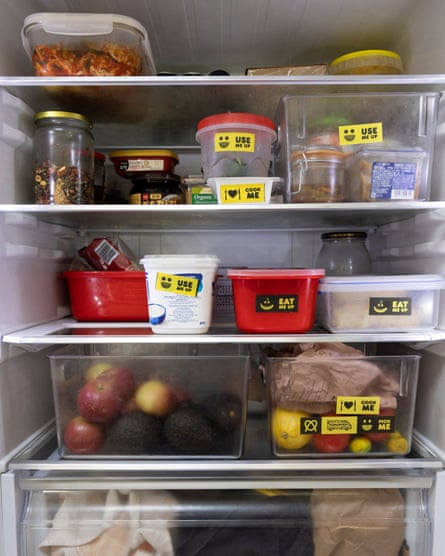
Even if you stick to £80 — if you waste food you’re effectively wasting your money. Here’s how I tackle it:
- Set a “use-first” shelf in the fridge for items that expire soon.
- Check your cupboards & freezer weekly so you use things before they go off.
- Re-use leftovers: Last night’s roast chicken becomes today’s chicken salad or soup.
- Freeze extra produce if you won’t use it in time (many foods freeze well).
- Plan for snacks or lunches from leftovers so they don’t go in the bin.
This aligns with advice from SRNutrition: cutting food waste is one of their top budget-friendly tips. (SR Nutrition)
6. Smart lunch & snack planning

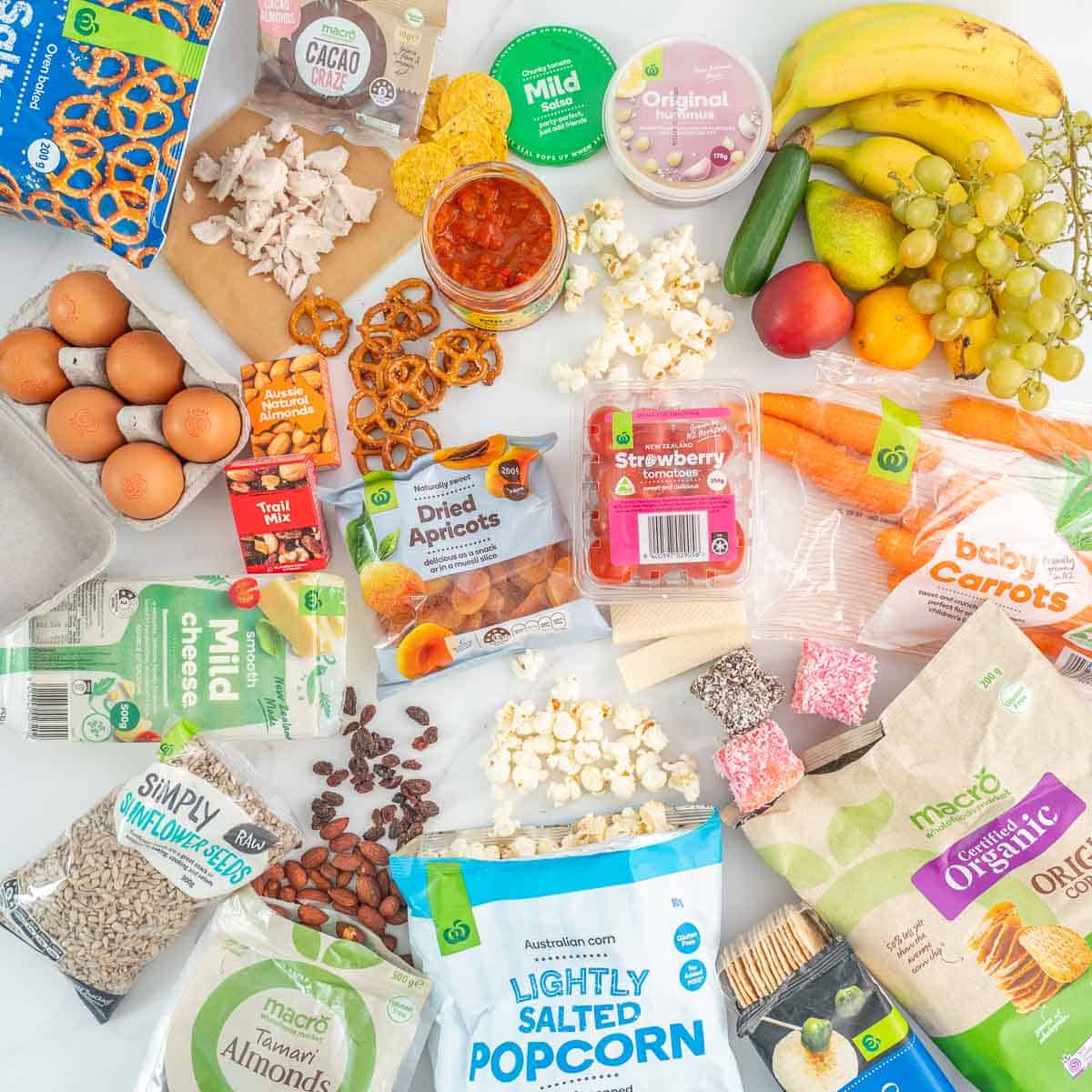



Often when families focus on dinner budgets, lunches and snacks sneak up and cost more than expected. Here are practical tips:
- Use leftovers from dinner for lunch the next day (reduces extra buying).
- Pack simple lunches like egg sandwiches, baked potatoes with beans, or veggie wraps.
- Keep inexpensive snacks handy — apple slices, carrots & houmous, plain yoghurt — instead of pricier pre-packed items.
- Avoid convenience store impulse snacks on the go (they cost more).
- Drink tap water or fruit-infused water rather than buying juices or soft drinks (money saved).
By being pre-pared, you’ll be less tempted to grab expensive options while out.
7. Treats & flexibility while staying under £80
It’s important not to remove all the joy from the week — treats are okay if included in the £80. Here’s how to allow for flexibility:
- Set aside a £5-£10 treat fund inside the £80 (for example: a family ice-cream or favourite cereal).
- If you find something at a good discount (yellow-sticker meat/veg), you can upgrade a meal that week.
- If you overspend one week, make it a goal to underspend the next so you average out at £80.
- Keep a short “bonus list” of items you’ll only buy if there’s budget leftover (e.g., special cheese, fresh strawberries, small box of chocolates).
Tip: I personally allow one “fun” meal where I might buy slightly better ingredients (e.g., fish fillets instead of fish fingers) if the budget permits — it keeps everyone happy and still doesn’t blow the budget.
8. Example weekly budget breakdown
Here’s a sample breakdown to show how you could allocate the £80:
| Category | Approx £ |
|---|---|
| Fruit & Veg | 12 |
| Staples (rice, pasta, bread, tinned) | 10 |
| Dairy / Eggs / Milk | 8 |
| Meat / Fish | 15 |
| Household & snacks | 8 |
| Treats / flexibility | 7 |
| Misc (spices, herbs, slow cooker mix) | 5 |
| Buffer for surplus / sale items | 5 |
| Total | £80 |
You can customise the categories slightly depending on your family’s preferences (vegetarian vs meat-eaters, kids’ snacks vs minimal snacks). The key is to keep the total within £80.
9. Common obstacles & how to overcome them
- Impulse buys: Avoid it by shopping with a list and not hungry.
- Not enough time to cook: Batch cook on a quieter day; use slow-cooker or oven-one-pot meals.
- Picky eaters: Include one meal everyone agrees on and rotate favourite recipes.
- Prices fluctuate: If meat/fish goes up, substitute more pulses/veg that week.
- Energy bills high: Cook in bulk, use one oven slot, and make meals that reheat easily (energy efficient).
10. My top 5 personal tips you won’t always read elsewhere
- Sunday evening family shop: We go together and let the kids pick one “half-price” veg item they’ll try that week — gets them involved and reduces waste because they picked it.
- Theme nights: E.g., “Meat-free Monday”, “Wrap Wednesday”, “Fish Friday” — simplifies meal planning and reduces decision fatigue.
- “Empty-the-drawer” dinner: Week’s end I ask everyone what three things we have left (e.g., spinach, chickpeas, leftover rice) and we turn it into a “create your own bowl” night — fun and budget-friendly.
- Keep a budget diary: I track each week’s spending in a simple spreadsheet so I know if I’m sticking to £80 or need to tighten next week.
- Kids help pick sales: Try turning supermarket yellow-sticker hunting into a little game for the kids (within reason) — they enjoy it, and we find good bargains together.
Final word
Feeding a family of four for £80 a week is entirely possible — with planning, flexibility and the right mindset. The key is to view the budget not as a restriction, but as a framework that helps you make smart choices.
By combining meal-planning, batch-cooking, focusing on staples (pulses, frozen veg), using discounts, and reducing waste, you’ll stretch your money further and still put nourishing, tasty meals on the table.
