


10-Minute Daily Stretching Routine to Improve Flexibility and Reduce Pain


If you’re stiff, ache a bit or just feel like the body could move more smoothly, a short stretching routine can do wonders. Here’s why it’s worth it:
- Stretching helps improve your range of motion and flexibility. (Healthline)
- It can help reduce aches — especially in the back, hips and shoulders from sitting too long. (Medical News Today)
- You don’t need a long session. Doing just a few minutes every day is better than a long session once in a blue moon. (Health)
- From personal experience: I found when I added 10 minutes of stretching before breakfast, I felt less stiff in the mornings. The first week I really noticed that walking up the stairs felt smoother.
So yes — 10 minutes a day is doable, and the benefits can add up. Let’s get into how to do it.
What you’ll need & how to set up

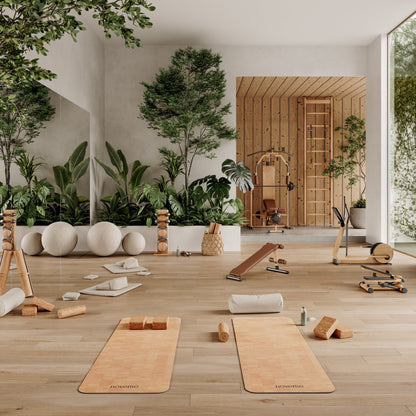
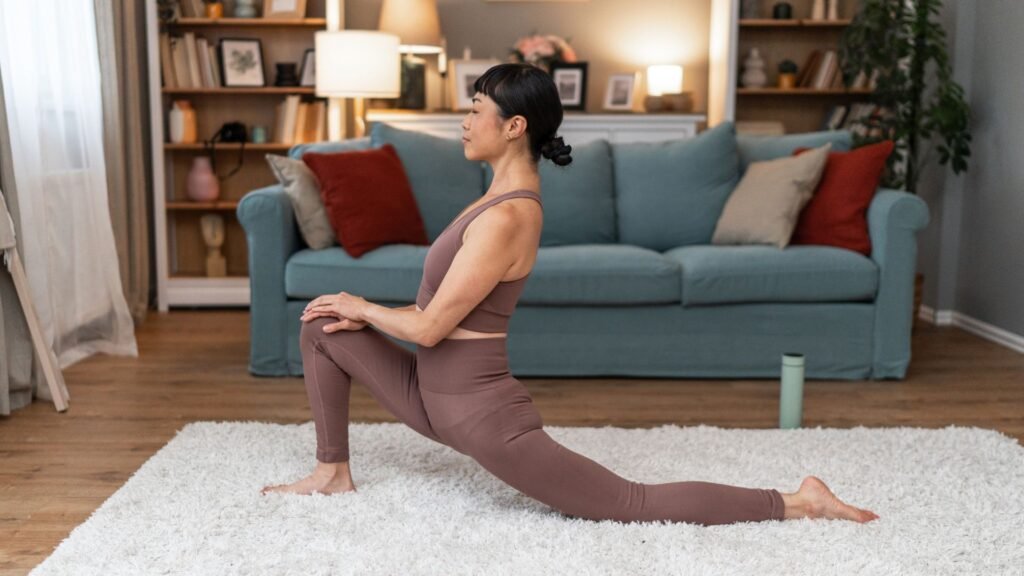

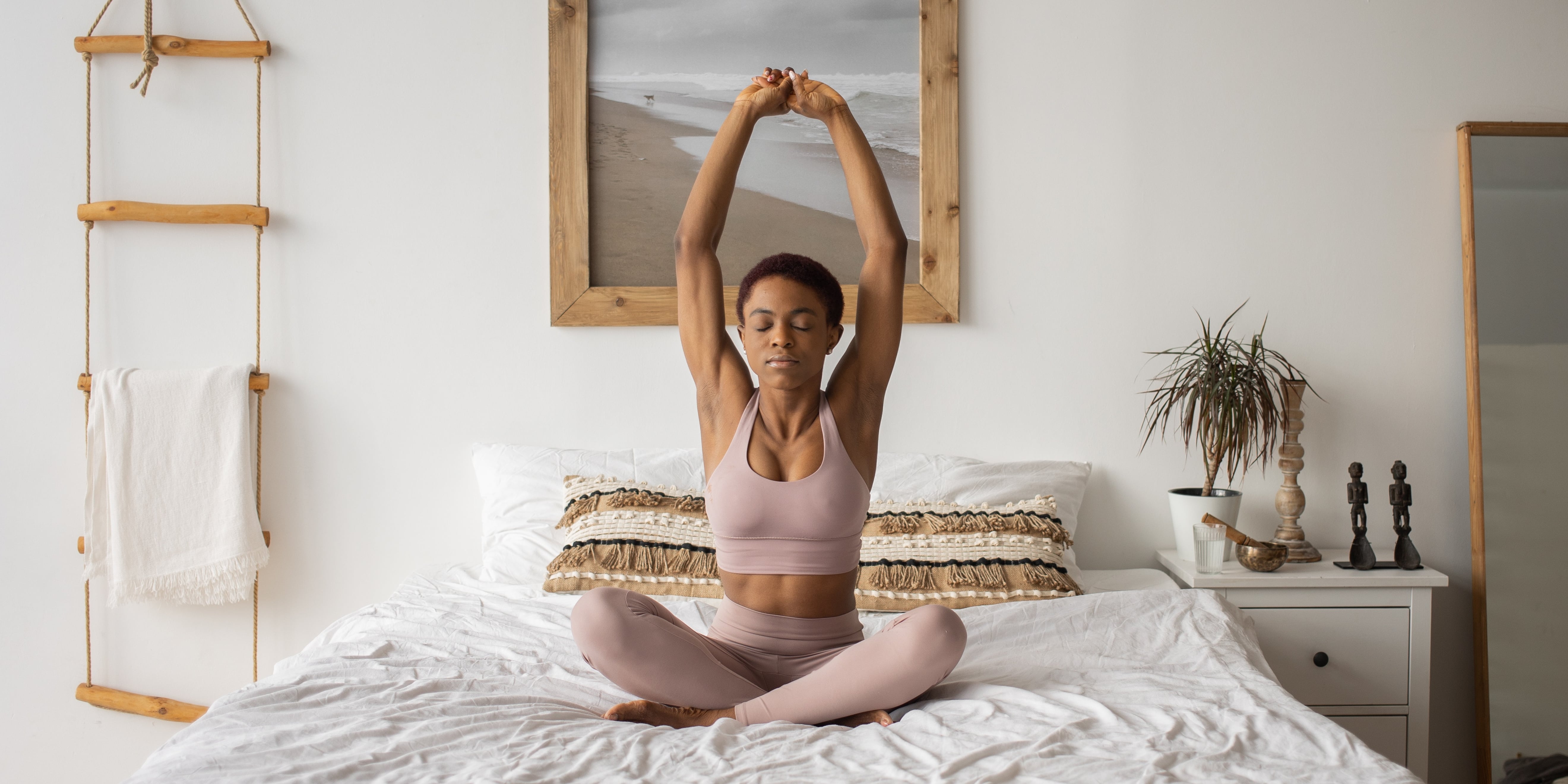

Setting up is straightforward. You don’t need gear, but a few small touches will help make it stick.
What you’ll need:
- A cleared space in your home (living room, bedroom or spare corner) where you can lie down comfortably.
- A mat, yoga mat or even a carpeted floor.
- Comfortable clothing—you want to be able to move freely.
- A timer or phone alarm set for 10 minutes.
- Optional: a cushion or pillow for support if needed.
How to make it happen:
- Choose a time you’ll stick to. I found early morning (just after getting up) worked best — I was less likely to skip it.
- If you’ve been sitting or working at a desk all day, this is a perfect “end of day” routine too.
- Set your phone alarm and treat it like a non-negotiable meeting for 10 minutes.
- If you’re sore or tired, reduce the intensity. The aim is movement and ease, not pushing into pain.
Safety check:
- You should feel a gentle stretch, not a sharp pain. If something hurts, ease off. (Mayo Clinic)
- If you have any known injury or condition (back issues, hip problems, etc) check with your GP or physiotherapist before beginning.
- Warm the body lightly first if you’ve been completely inactive — e.g., a minute of walking on the spot.
The 10-Minute Routine (step by step)
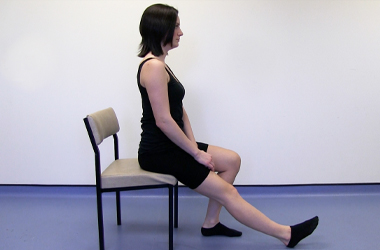

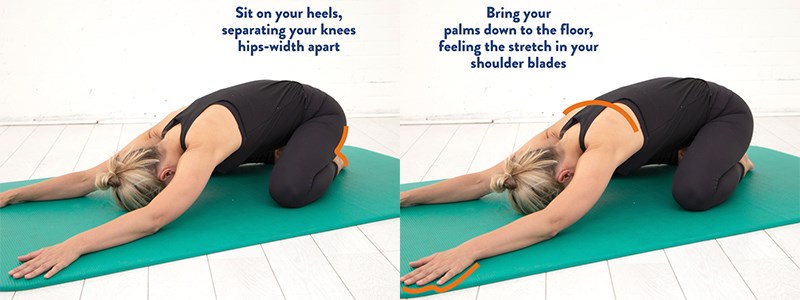

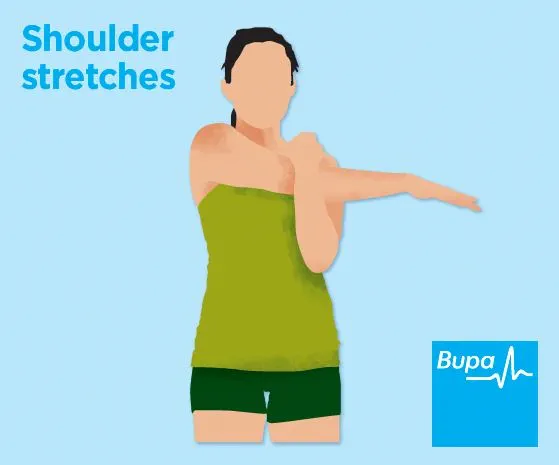
Here’s a simple full-body routine that takes 10 minutes. Hold each stretch for about 30 seconds (or up to 45 seconds if comfortable), then move gently to the next. Breathe steadily throughout.
| # | Stretch | Focus area | How to do it |
|---|---|---|---|
| 1 | Neck-Side Tilt | Neck and upper shoulders | Sit or stand upright. Drop your right ear toward your right shoulder, hold 30 sec, then left side. Keep shoulders relaxed. |
| 2 | Shoulder & Chest Opener | Upper chest & front shoulders | Stand tall, clasp hands behind your back, straighten arms and lift gently. Feel the front of shoulders open. Hold. |
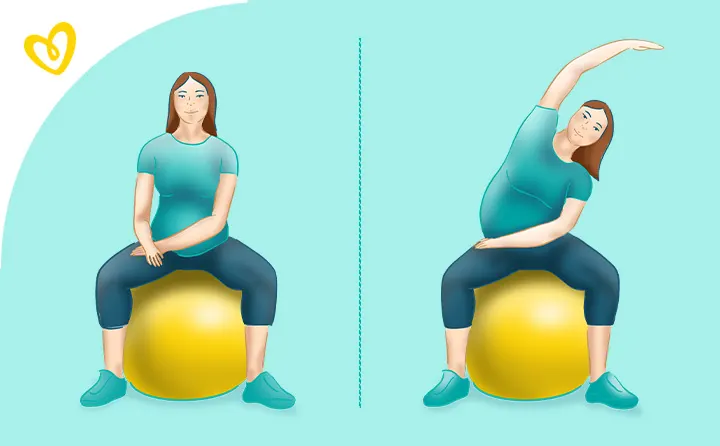
| 3 | Side Bend (Standing) | Side body & hips | Stand feet hip-width. Raise right arm overhead and bend left. Hold 30 sec. Then switch sides. |
| 4 | Hamstring Stretch (Seated) | Back of thigh & lower back | Sit on floor, legs straight in front. Lean gently from hips toward your toes (stop when you feel stretch). Hold. |
| 5 | Hip Flexor Stretch (Kneeling) | Front of hip & thigh | Kneel on right knee, left foot in front (90°). Push hips forward gently. Hold 30 sec. Switch sides. |
| 6 | Child’s Pose / Forward Bend | Spine, hips & back | From kneeling, bring bottom to heels, stretch arms forward on floor (child’s pose). Or stand and hinge forward, letting arms hang. Hold. |
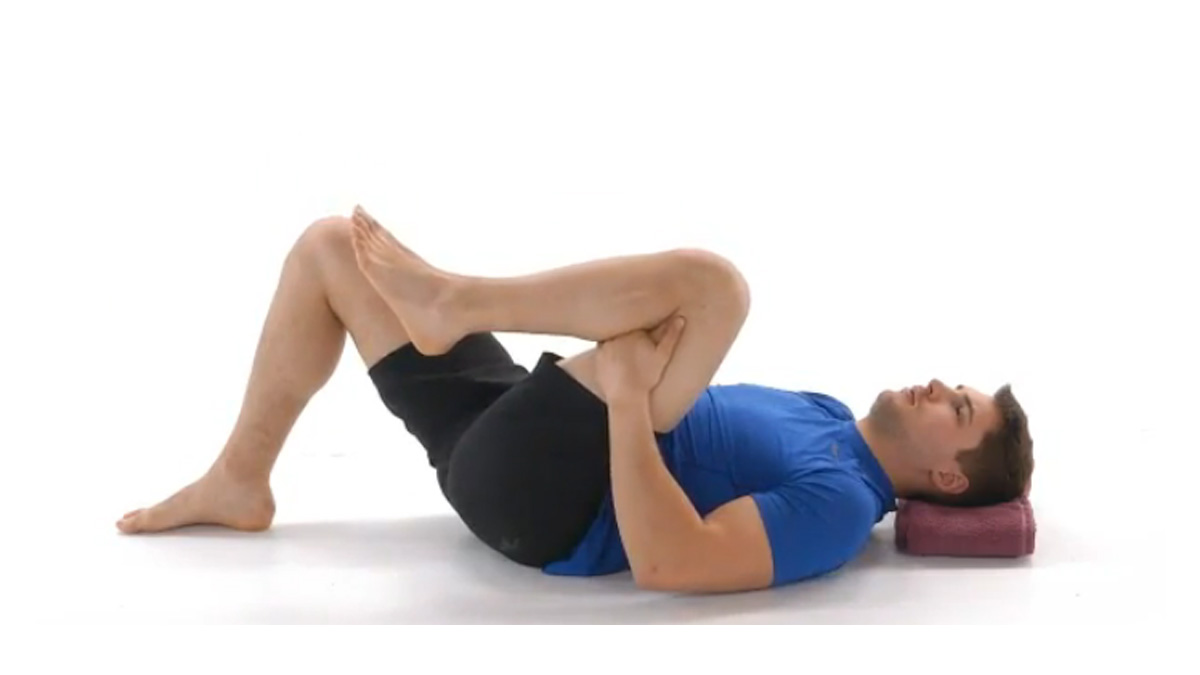
| 7 | Lower Back / Glute Stretch (Lying) | Lower back and buttocks | Lie on back, knees bent. Place right ankle on left knee (figure 4), pull left thigh toward chest. Hold. Switch. |
| 8 | Calf Stretch (Wall or Step) | Lower leg | Face a wall or use step. Right foot forward, left leg back straight, press heel down. Hold 30 sec. Switch. |
| 9 | Quad Stretch (Standing) | Front of thigh | Stand, hold onto chair if needed. Bend right knee, grab ankle, pull heel toward buttock. Keep knees together. Hold. Switch. |
| 10 | Deep Breathing & Relaxation | Whole body | Lie or sit comfortably. Breathe in deeply for 4 seconds, hold 1 second, exhale for 6 seconds. Do 5-10 repetitions to finish. |
Notes & tips from me:
- I usually do this right after I’ve had my morning tea. It sets a calm, mobile tone for the day.
- On days when I feel extra stiff (after long travel, or desk work), I’ll repeat one or two key stretches (hamstrings and hip flexors) for another 30 seconds each.
- If 10 minutes feels too much to begin, start with 5 minutes (just pick 3-4 of the stretches). Then build up to full 10 minutes. Consistency is what counts.
Why these stretches help pain and stiffness
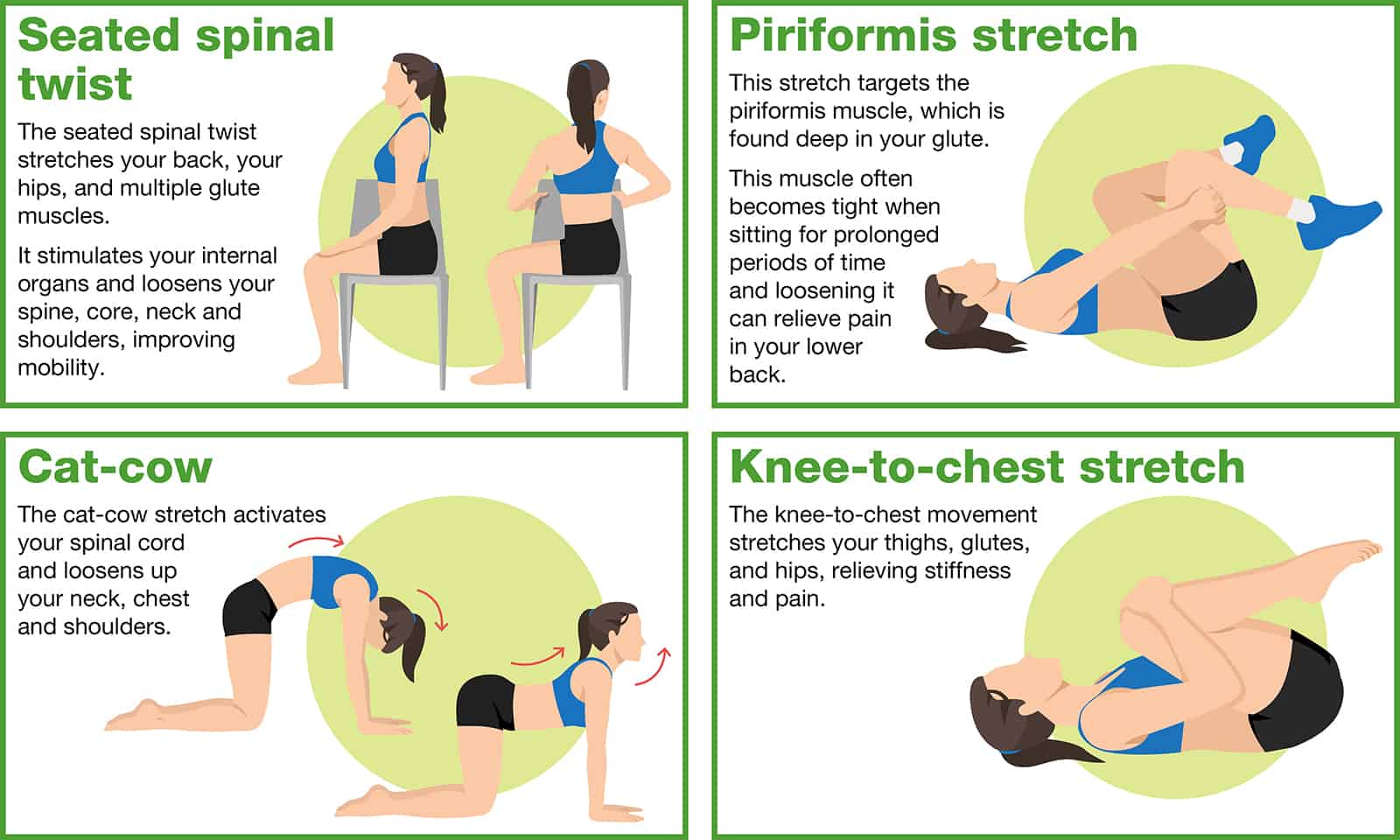
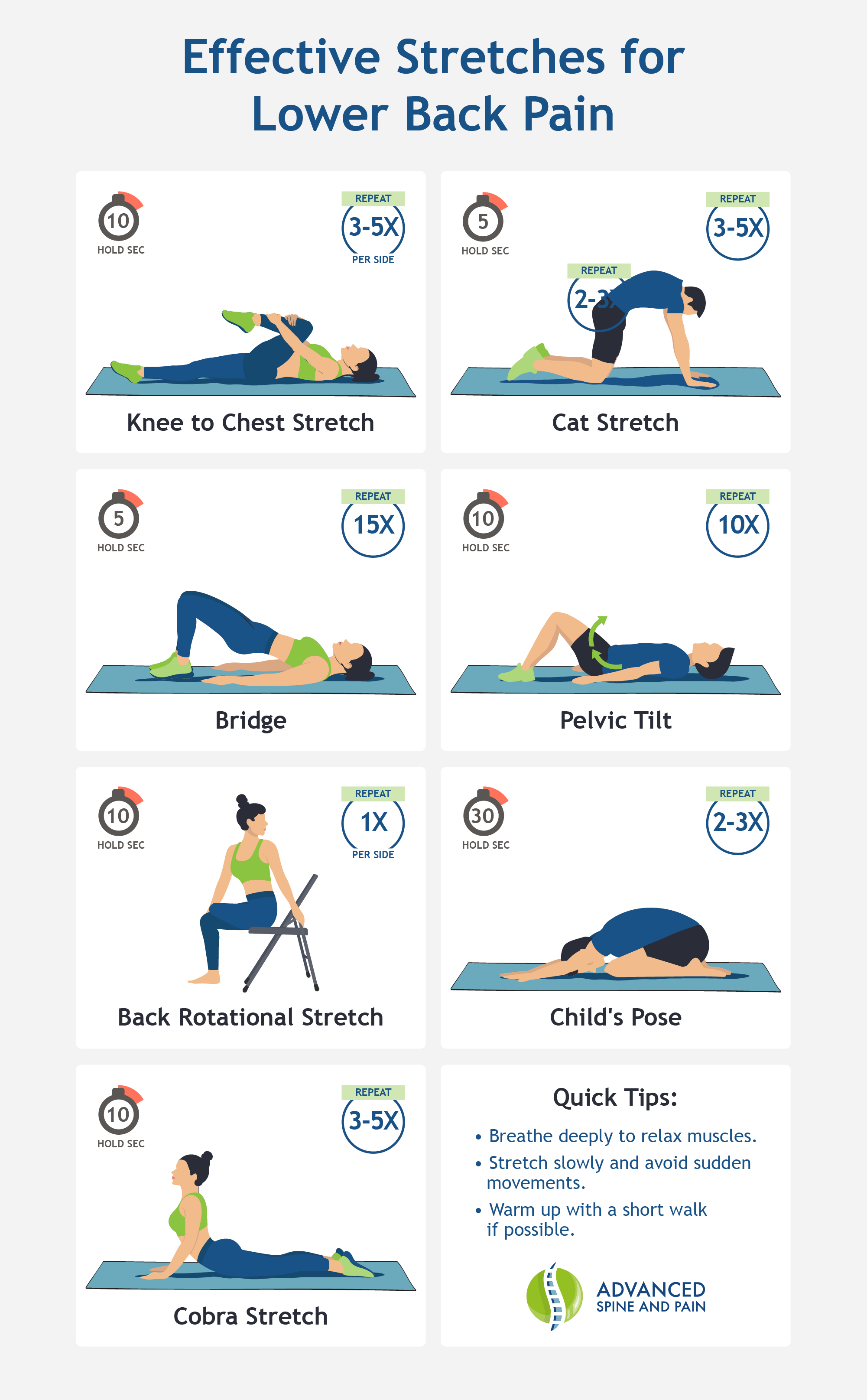

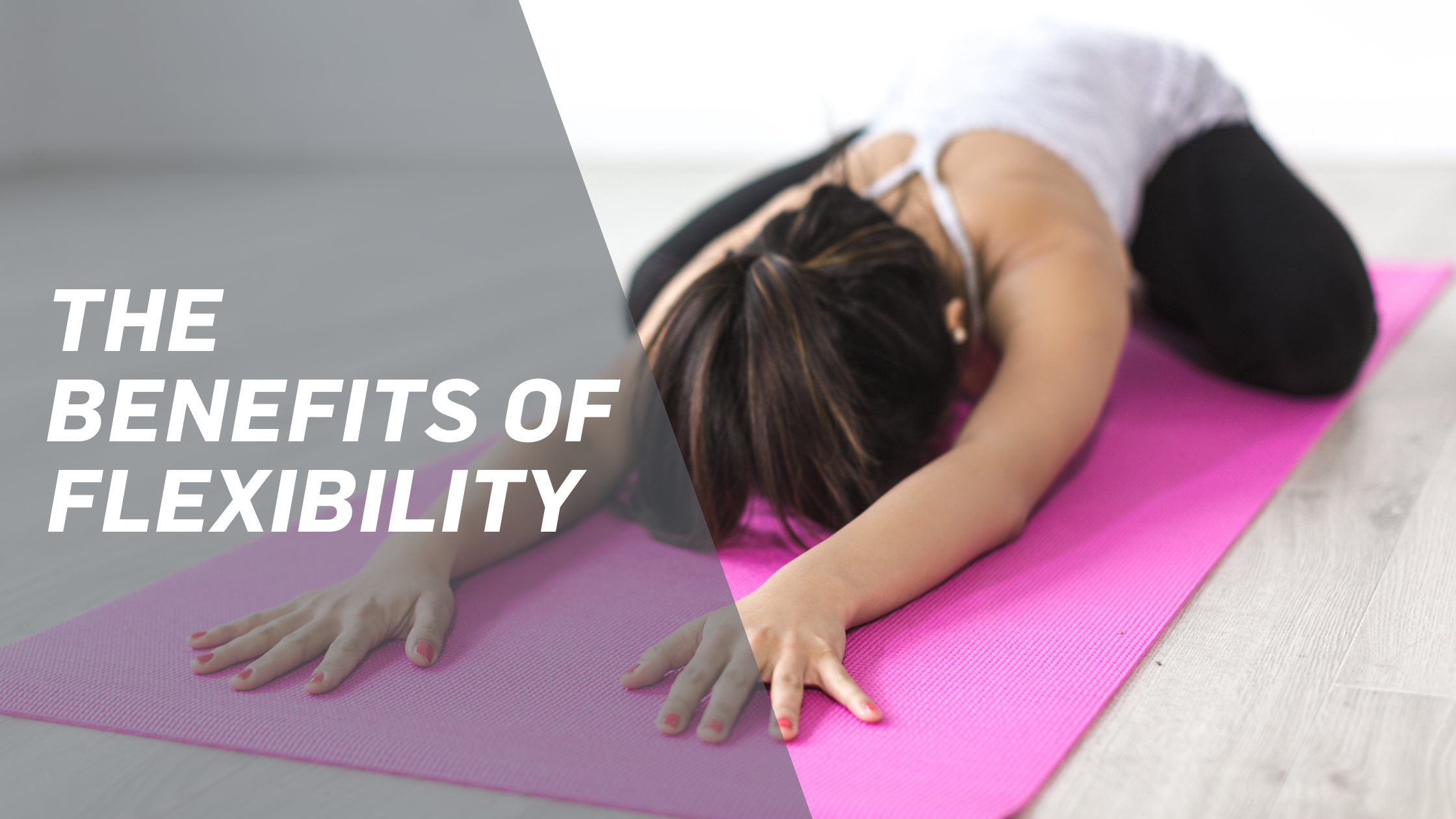
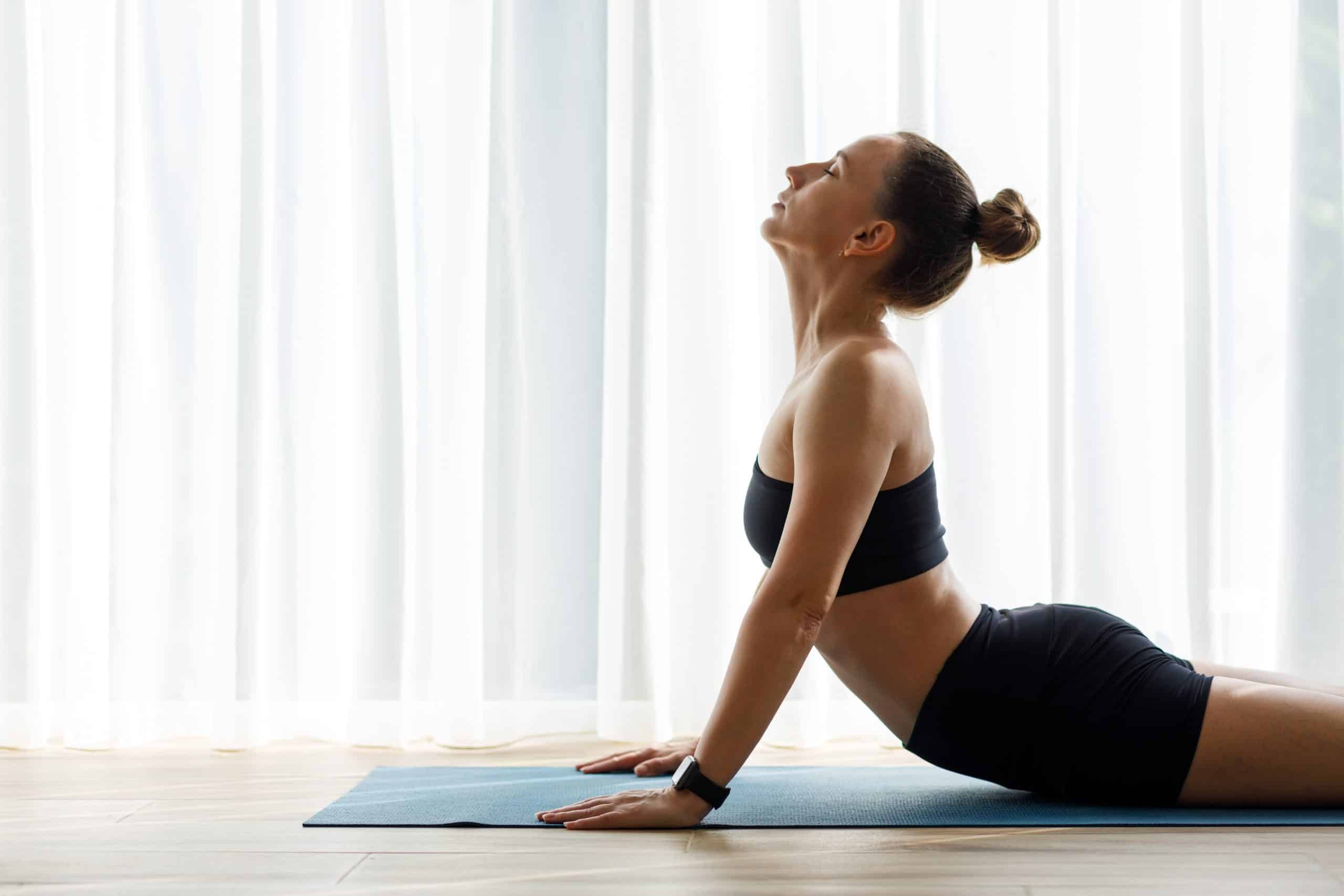
It’s one thing to do the routine, another to understand why it helps—especially if you’re dealing with pain or stiffness.
Here’s how stretching can reduce pain and improve mobility:
- Stretching improves flexibility and range of motion, which means your joints can move more freely and you’re less likely to get “stuck” in a tight position. (Medical News Today)
- Many aches come from prolonged sitting or repetitive positions (desk job, driving etc). Stretching loosens muscles that become tight and supports posture. (Harvard Health)
- By increasing muscle and connective-tissue flexibility, you reduce strain on joints and surrounding structures. (Healthline)
- Stretching also improves blood flow to muscles, which helps recovery and can reduce soreness. (Healthline)
Real-life example
My friend Lisa works in a call centre, sitting 8+ hours a day. She started doing this 10-minute routine every evening. After about two weeks she told me: “My lower back aches are down, and I’m not waking up stiff.” It wasn’t dramatic, but it was meaningful for her day-to-day comfort.
How to make this stick (the habit part)

Doing 10 minutes every day is great—but making it a habit is where the real change happens. Here are some tips to help it become a natural part of your day:
- Pick a fixed time: for example, just after breakfast or before bed. I found after tea in the morning worked for me.
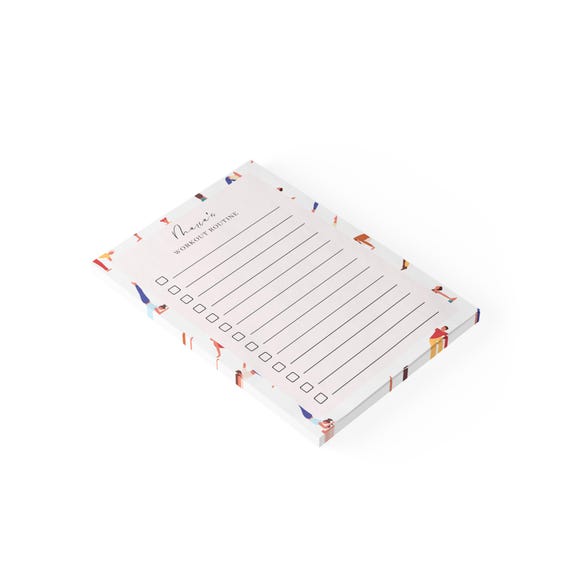
- Keep a visual reminder: a little sticky note on the wall “10 min stretch” helped me.
- Use trigger + action: When I put on my trainers to walk the dog, that was my cue for “first do my stretch routine”.
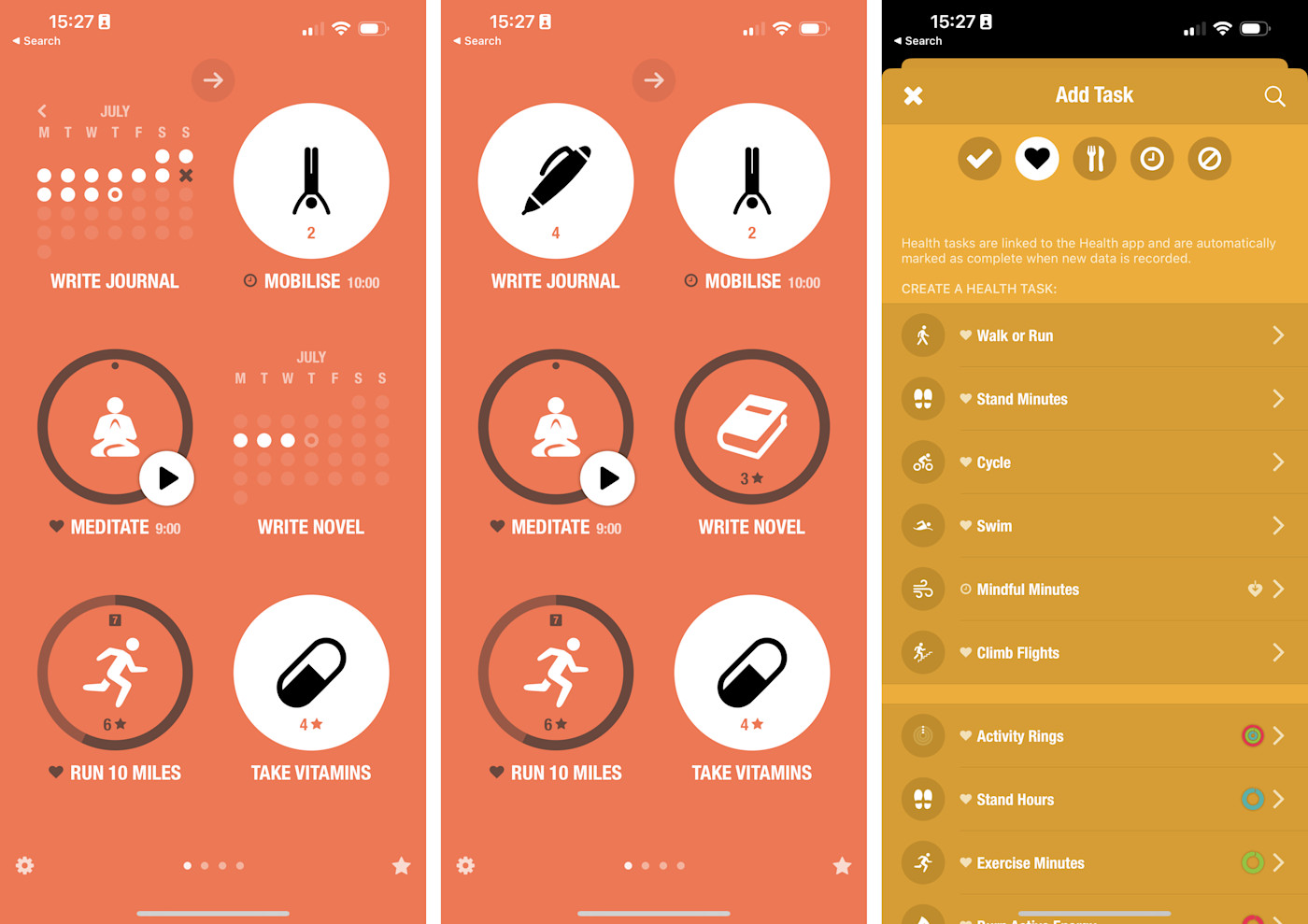
- Track your progress: tick off each day you do it. Seeing a streak builds momentum.
- Be kind: If you skip a day, don’t beat yourself up. Just resume the next day. The aim is consistency, not perfection.
- Adjust when you need to: If you’re travelling, tired or a little under the weather, do a shorter version (5 minutes) rather than skip entirely.
When to seek extra care or adapt the routine


Stretching is generally safe for most people, but there are situations where you’ll want to take extra care:
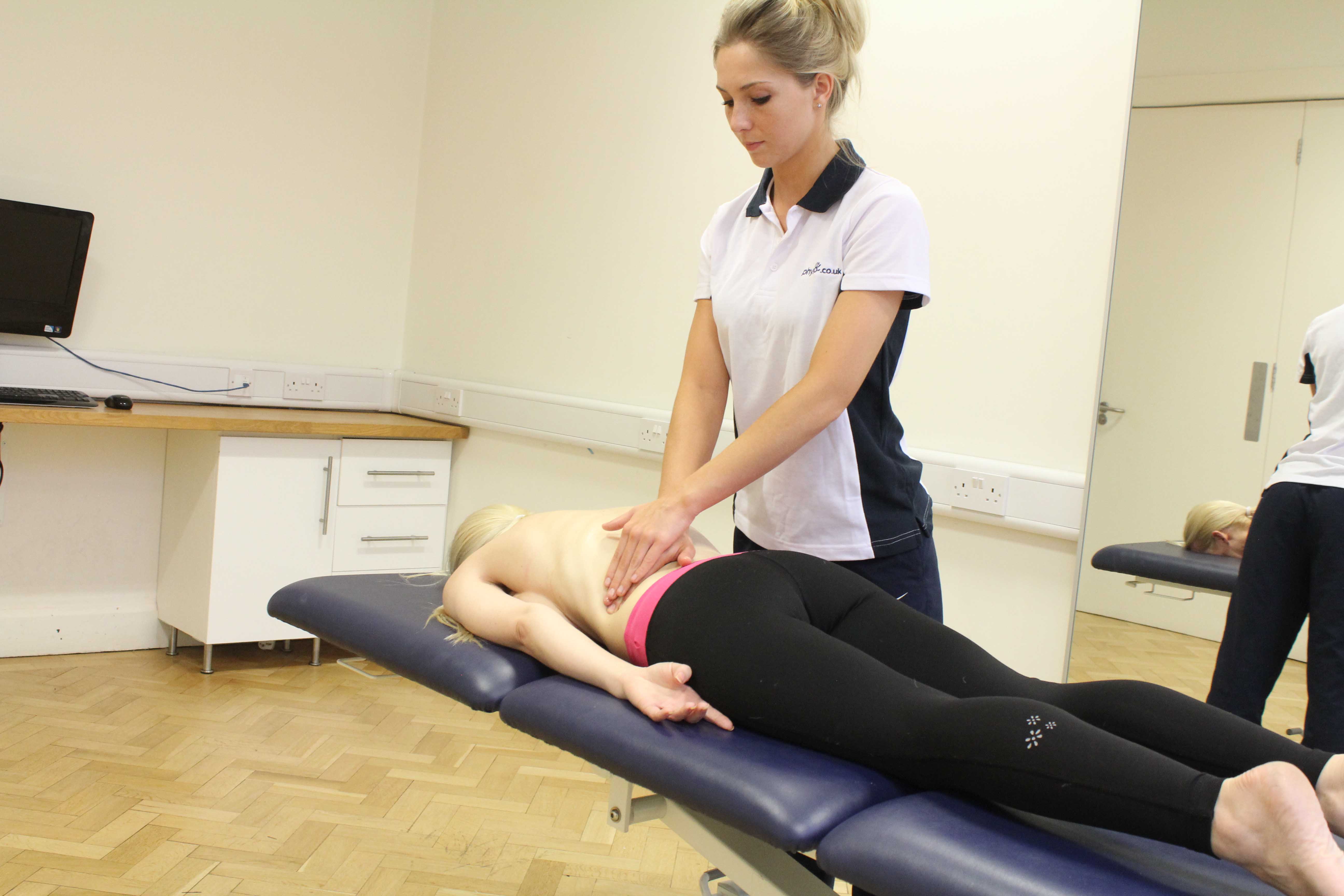
- If you have ongoing pain, a recent injury, joint issue or medical condition. Consulting a physiotherapist or GP is wise.
- If a stretch causes sharp pain, tingling or numbness — stop that movement.
- If you’re pregnant, certain positions may need modification. Use cushions/support.
- If you have osteoporosis, arthritis or other joint concerns. Modify the range of motion and duration accordingly.
- Ensure you warm up lightly if you’ve been inactive for a while (2-3 minutes of walking or gentle movement) because cold muscles are more prone to injury. (Mayo Clinic)
Frequently asked questions
Q: Do I need to stretch every day or just a few times a week?
A: Daily is ideal for ongoing benefits (flexibility, less stiffness), but if you can only manage 3-4 times a week that still helps. Consistency over long term is key. (Mayo Clinic)
Q: Will stretching make me flexible like a gymnast?
A: Not necessarily. The aim is functional flexibility—to move easier, feel less stiff—not to do full splits unless that’s your goal. Focus on improvements you feel.
Q: How long until I see results?
A: Many people report feeling less stiff within 1-2 weeks. Greater range of motion may take 4-6 weeks of consistent practise. It depends on your starting point.
Q: Can I do this instead of strength exercise?
A: Stretching complements strength and mobility work—it’s not a full substitute if you’re aiming for strength gains. But if you’re mostly sedentary, this is a great start.
Q: Is it safe to stretch when I feel ache or soreness from exercise?
A: Yes—gentle stretching can help loosen the area. But skip intense stretching into pain. If you’re very sore or injured, choose gentler versions or rest until muscle is less inflamed.
Final word
You don’t have to wait for the “right time” to start improving your flexibility and reducing pain. A simple 10-minute daily stretching routine can make a real difference in how you feel day to day.
Start small. Do it at a time that works for you. Be consistent. And as my own experience shows, within weeks you’ll notice your body moving more freely, less stiffness, and a little more ease in your day-to-day.
