


Sustainable Lifestyle Magazines: Eco-Conscious Living Publications

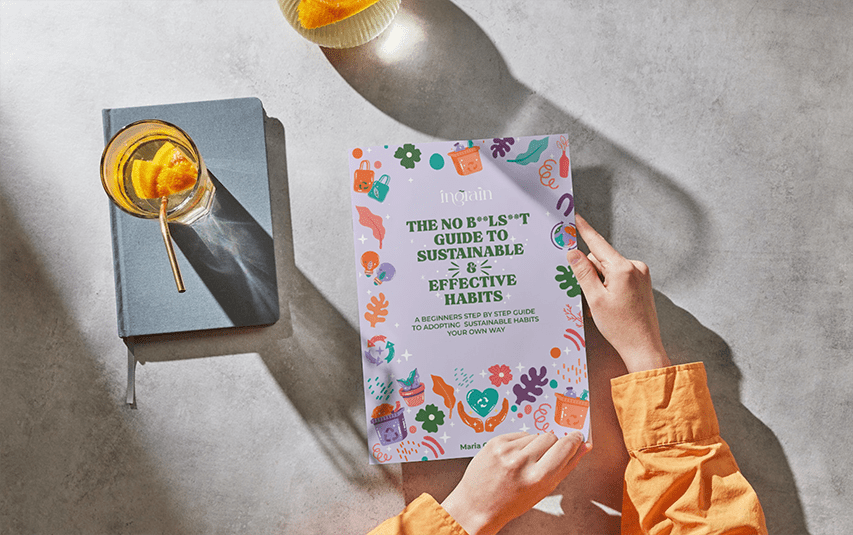
If you’re looking to make more eco‑friendly choices in your everyday life—whether it’s what you buy, how you travel, how you live at home—a good sustainable lifestyle magazine can be a smart companion. In this article I’ll walk you through what to watch for, highlight some really good titles you can subscribe to in the UK, and share a few of my own experiences to make it real.
Why subscribe to a sustainable‑lifestyle magazine?
In a world of endless blogs and digital feeds, a printed (or digital) magazine with a focus on eco‑living still brings value. Here’s how:
- Curated, thoughtful content rather than random posts. A magazine theme means you’ll often get a deeper dive into a topic (say “ethical fashion” or “zero‑waste home”).
- Screen‑free reading time (if print) or structured reading (if digital) — good for reflection.
- Real stories + expert insight: Many magazines bring in writers who know their stuff, not just surface‑level tips.
- Inspiration + action: For me, I bought a magazine about sustainable living and found a small idea inside—“swap your kitchen roll for reusable cloths”—that I actually did, and it stuck.
- A companion for change: If you’re trying to shift how you live, a monthly or bi‑monthly issue gives you a rhythm for review and improvement.
What to look for in a good eco‑conscious magazine
Before you commit to a subscription, here are the qualities you’ll want:
- Credible content: Does the magazine reference experts, research, or real‑world case studies?
- Actionable advice: Rather than just theory, does it give “you can do this tomorrow” ideas?
- Relevance to everyday life: Not just “luxury eco‑homes” but accessible swaps, budget‑friendly ideas, everyday living.
- Good design & readability: Eco‑living often involves visuals (home design, fashion, food) so good photography/layout helps.
- Fit to your lifestyle: Are you looking for home‑living, travel, fashion, business? Make sure the magazine matches.
- Print vs digital vs budget: If you have limited time or budget, choose accordingly.
- Ethical production: Some eco‑magazines walk the talk (sustainable paper, minimal waste, etc). That matters. For example, one article lists print magazines addressing sustainability by highlighting their ethical production. (parkcom.co.uk)
Recommended UK‑Accessible Sustainable Lifestyle Magazines
Here are three strong titles you can subscribe to—each with a slightly different flavour.
1. Sublime Magazine


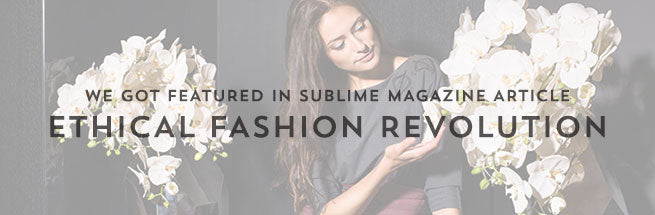

- Based in London, Sublime describes itself as “an independent bi‑monthly print publication dedicated to making sustainability appealing.” (Wikipedia)
- It covers wide‑ranging topics: nature, energy, fashion, technology, design.
- My tip: I once flipped through an issue at a café and found a feature on “ethical vs sustainable fashion”—helped me pause before a shopping impulse and choose differently.
- Best for you if you like eco‑living across many domains—fashion, tech, food—and want high‑quality print.
- Consider: Bi‑monthly means fewer issues, so you’ll want to engage with each one rather than push it aside.
2. Considered Magazine


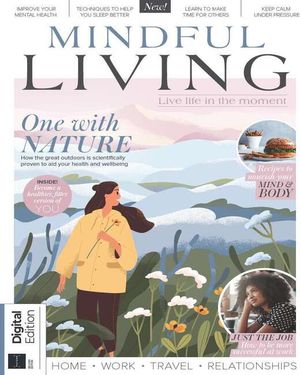
- This is an independent UK‑based magazine covering sustainable fashion, travel and mindful lifestyle. (White Nest)
- What stands out: Focus on slower living, thoughtful design, and mindful consumption.
- Personal note: I saw a friend’s copy on her coffee table and found a short piece on “packing light for a city break sustainably”—it sparked me to try a different travel approach on our last weekend away.
- Best for you if you want lifestyle plus sustainability—not just home swaps but travel, fashion, mindset.
- Heads‑up: It may be more niche, and you might pay a little more for print or subscription than general lifestyle mags.
3. Permaculture Magazine

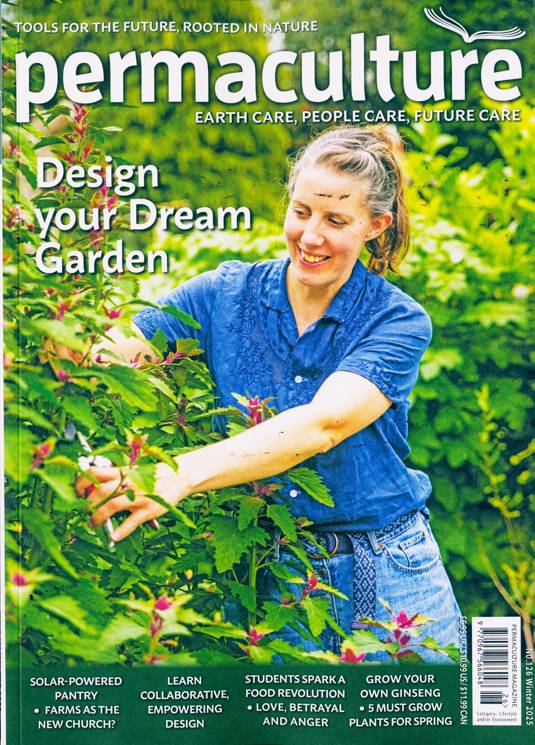
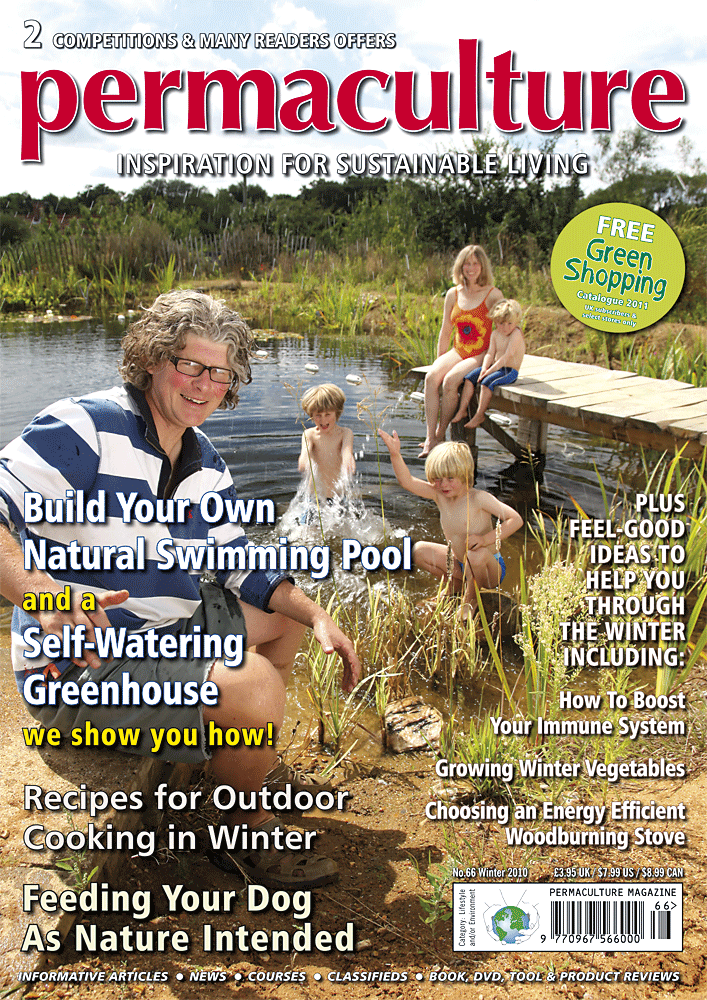
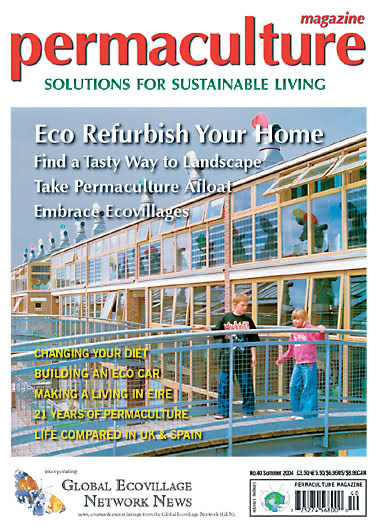
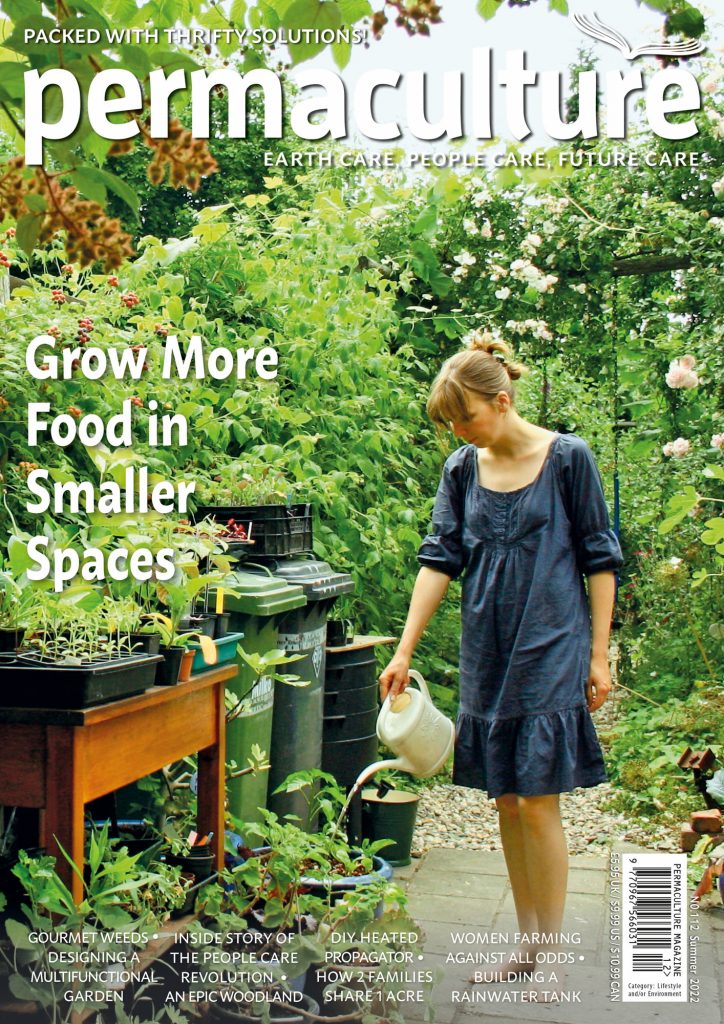
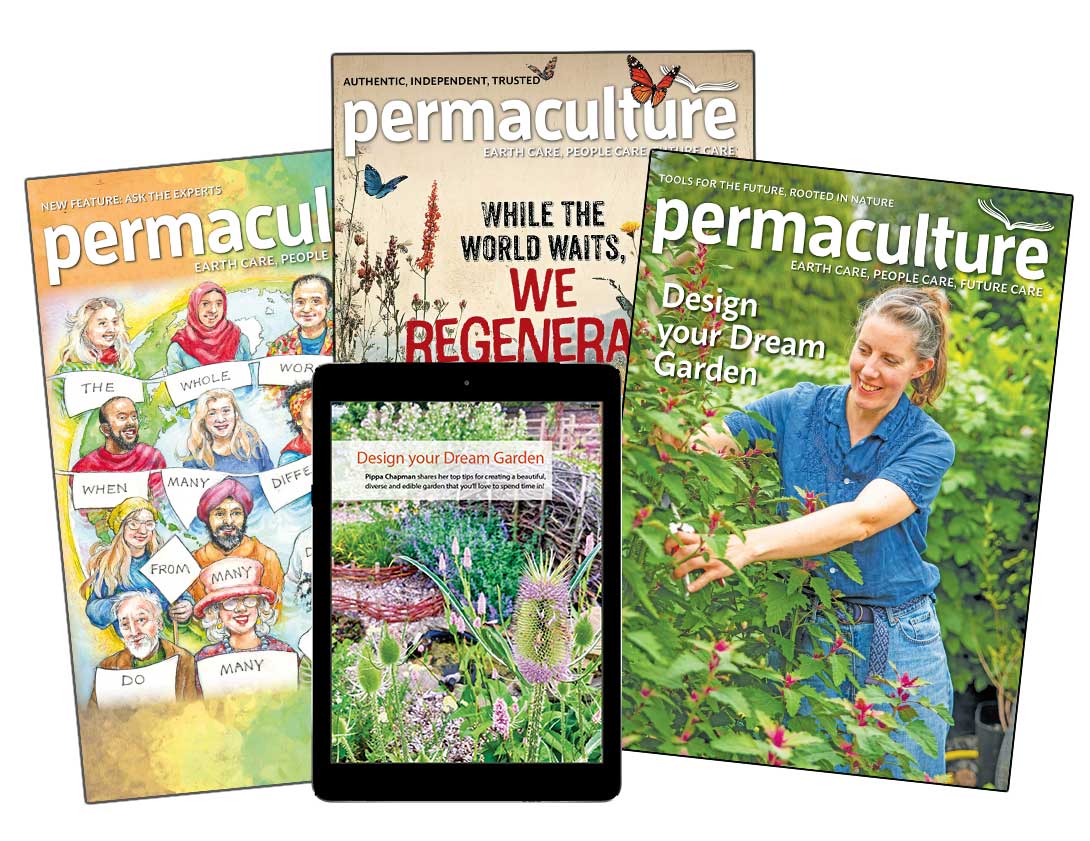
- A UK‑available magazine focused on sustainable living from ground‑up: organic food, community, eco‑villages. (newsstand.co.uk)
- Why it’s useful: If your sustainable living interest goes into garden, food, community, then this is a rich source.
- My takeaway: I picked up an issue once and found an article about “growing veg on a small balcony”—helped me start herbs outside even in a flat.
- Best for you if you have space for small‑scale growing, curious about food production or deeper sustainability living.
- Note: It’s less about fashion or home décor and more about eco‑systems and living differently.
My approach: How I make the most of these magazines
Here’s how I ensure a magazine doesn’t just sit on the shelf but works for me.
- Allocate reading time
I pick a Sunday morning coffee slot or a train commute where I’ll spend 20–30 mins reading. - Mark one action per issue
Example: After reading Sublime, I decided to swap a conventional cleaning product for a refill‑station version. One change. - Keep an “eco‑ideas” notebook
I jot down small ideas that spark from the articles: “Try compost bin”, “Buy ethical linen”, “Research local refill shop”. - Review after 3 issues
Did I act on at least 2 ideas? Did it improve my lifestyle? If no, maybe I pick a different title better aligned with me. - Share with someone else
If you live with someone, reading the same magazine gives a shared language—“Oh did you see the feature on sustainable travel?” makes for discussion. - Cut the guilt
If I read something I feel I should do but can’t right now, I note it for later—not as a failure but as future inspiration.
Some practical tips from experience
- Budget matters: Some sustainable magazines cost more (smaller print runs, higher quality paper). I treated one as a “luxury for me” rather than everyday read.
- Digital vs print: If you travel or commute, digital versions are handy. But print tends to feel more “special” and you’re likelier to keep a copy.
- Use it for gift ideas: Many sustainable mags have features on ethical brands; I’ve used these to find birthday/wedding gifts that align with values.
- Don’t skip “smaller” stories: I found that small articles (like “how to fix a bike chain” or “upcycle an old tee”) are often more useful than big features.
- Connect the dots: After reading 2‑3 issues, I found overlapping themes (e.g., “refill shops”, “second‑hand fashion”) and that helped me build momentum rather than random changes.
Final thoughts
If you’re serious about living more sustainably—not just having good intentions—then subscribing to a magazine focused on eco‑conscious living can be both enjoyable and effective. The right one will inspire you, give you ideas, and help you act. The key is pick one that fits your interests, use it actively, and apply one change per issue rather than trying to do everything at once.
