


How to Host a Dinner Party Without Stress: Planning Timeline and Recipes

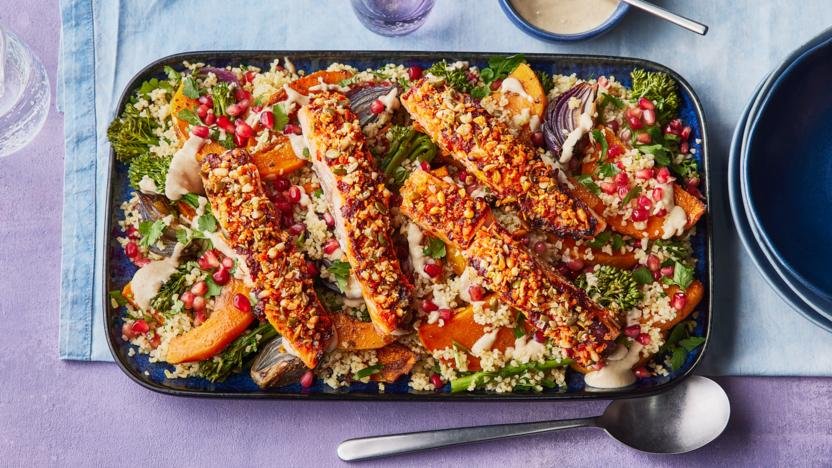
Hosting a dinner party can feel like a big job—but it doesn’t have to be stressful. With a good plan, the right timeline and a recipe or two you know you’re comfortable with, you’ll be relaxed, you’ll look after your guests well, and you’ll actually enjoy the evening. I’ve done plenty of dinner parties myself—some smooth, some with little hiccups—and I’ve pulled together what works (and what I wish I’d done differently) so you don’t have to learn the hard way.
In this article you’ll get:
- A timeline you can follow so you’re not scrambling at the last minute
- A menu with recipes that are guest-friendly and manageable
- My own tips and real-life anecdotes to keep things human
- Advice on setting the mood, dealing with dietary needs, and staying calm
Let’s get started.
Why a timeline matters
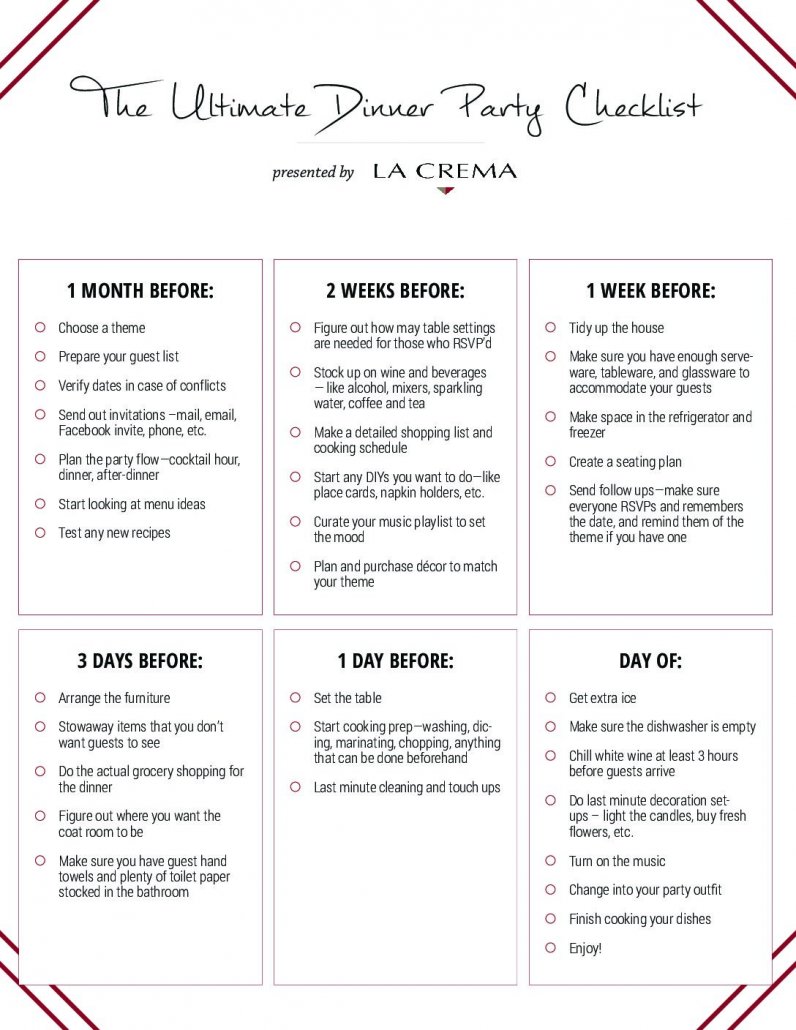
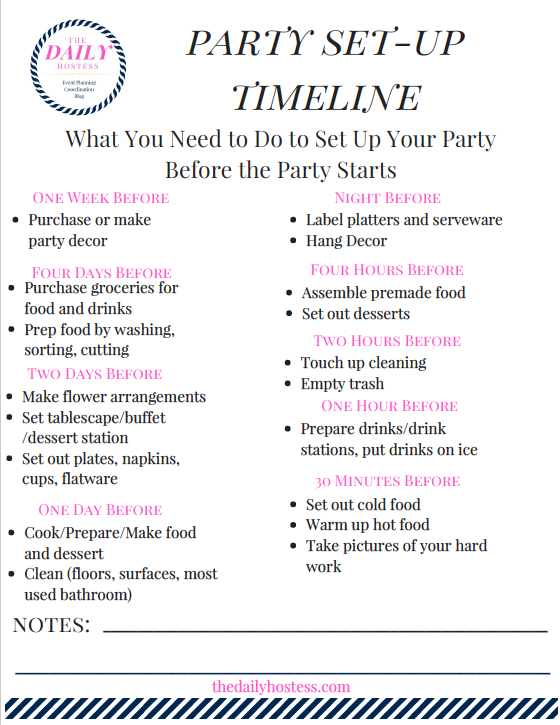
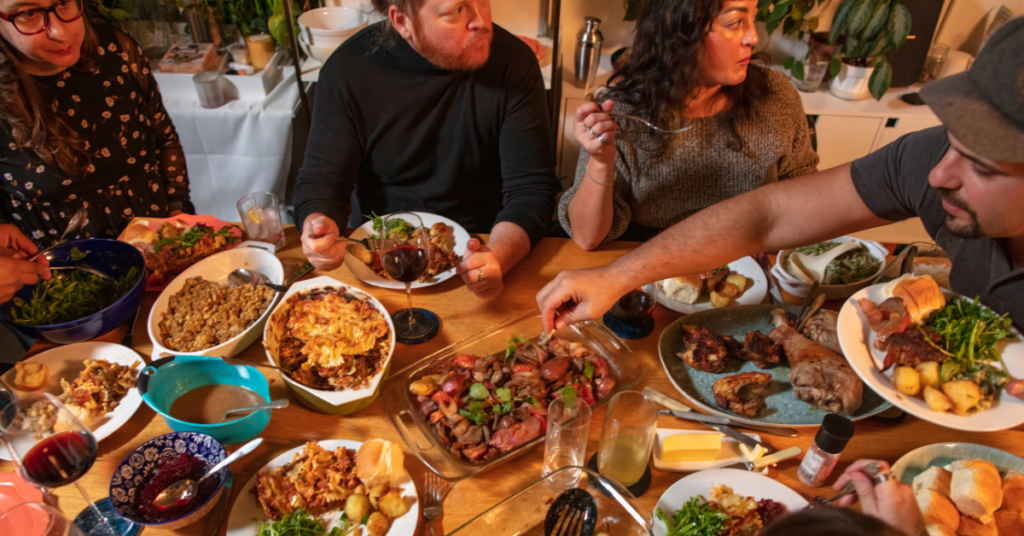

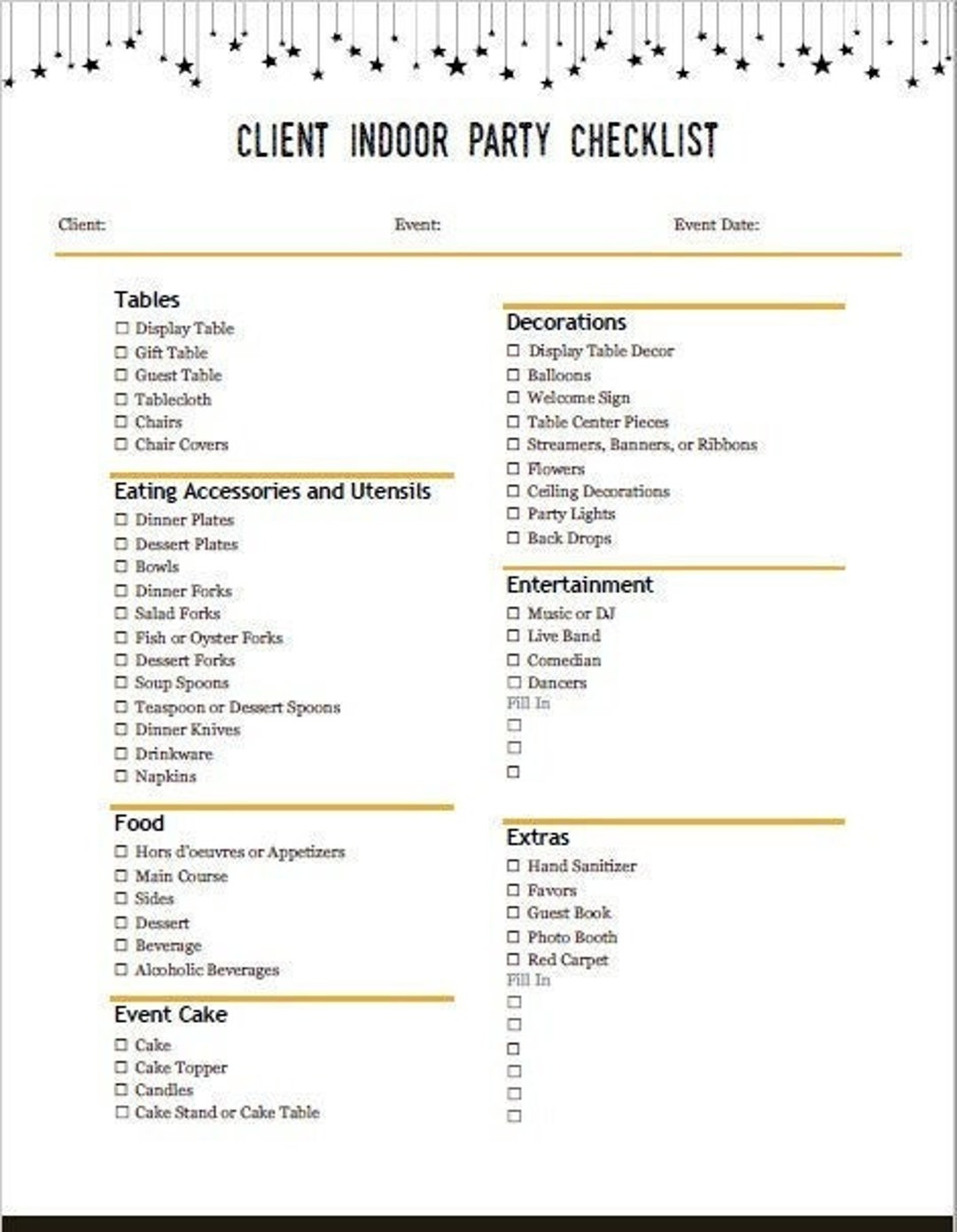

When I hosted my first proper dinner party (after lots of casual get-togethers), I realised I was constantly running between the kitchen and the lounge, trying to do last-minute cooking, setting the table, greeting guests… It was fun, but I wasn’t present. I missed conversations, and I was tired by 9pm.
A simple timeline fixes that. Websites agree: you should map out which tasks you’ll complete in advance, what you’ll do on the day, and what can wait until your guests arrive. (chefate)
Key reasons a timeline matters:
- You reduce stress because you know when each task happens.
- You avoid last-minute chaos (like scrambling for forks or discovering you forgot an ingredient).
- You get to be with your guests, rather than always in the kitchen.
In short: plan ahead, prep well, and give yourself breathing space.
Planning Timeline: When to do what

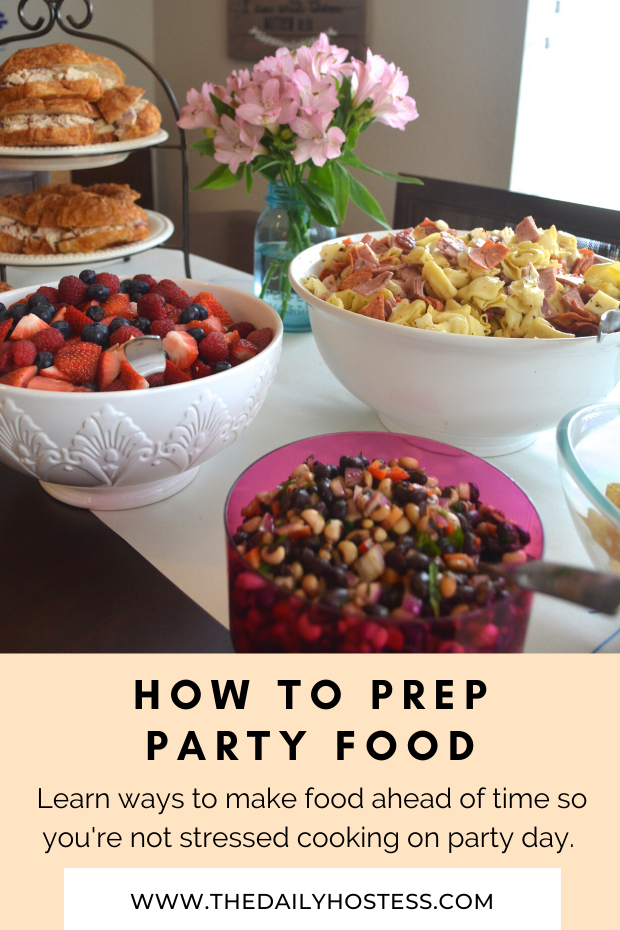
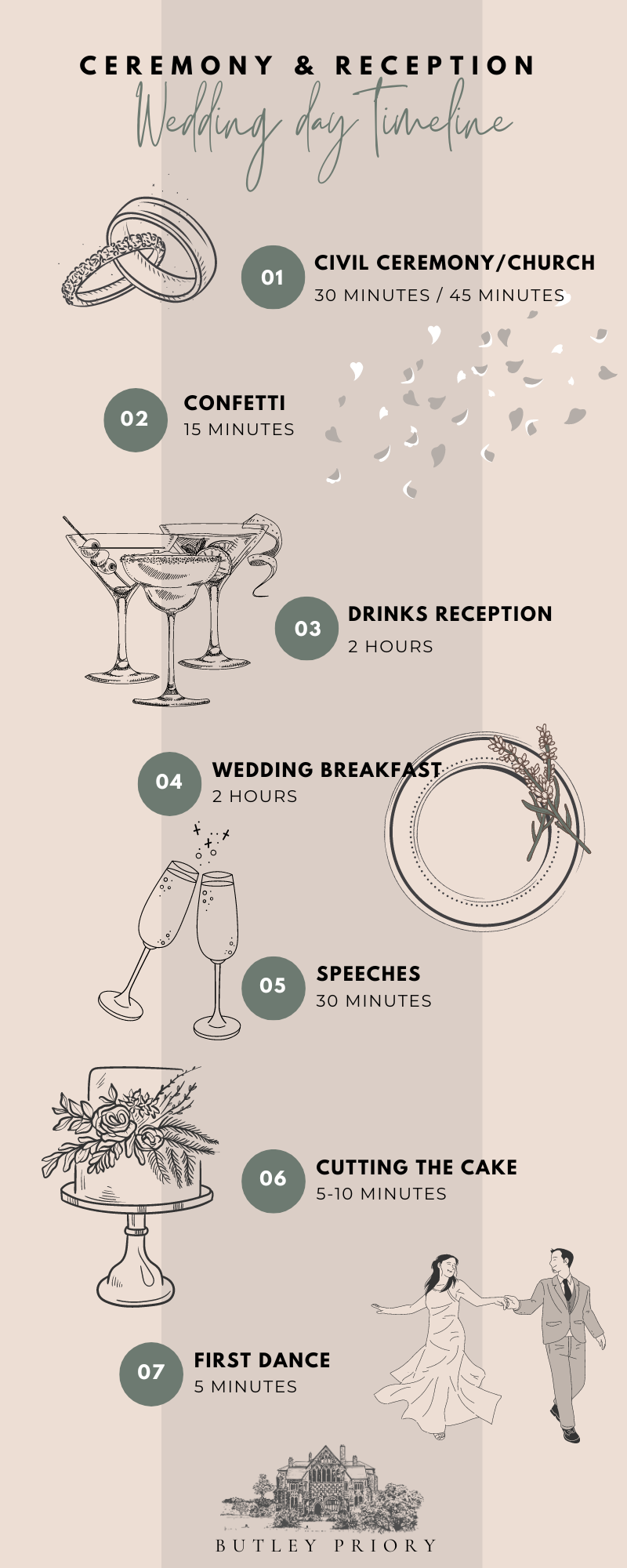
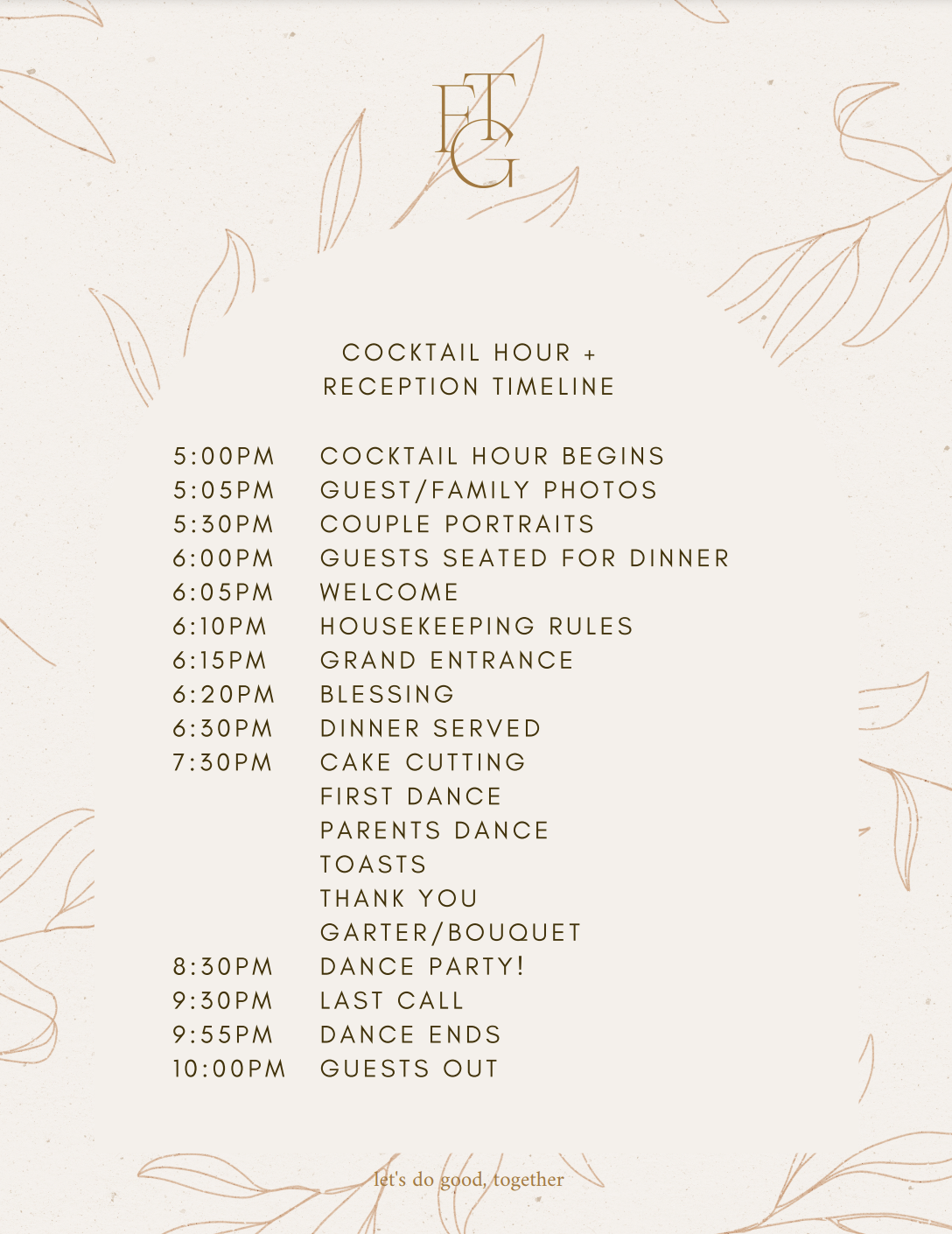
Here’s a realistic timeline that works for a casual sit-down dinner party for, say, 6-8 guests in a UK home. You can scale it up or down.
3-4 Weeks Before
- Decide date & time. A good rule of thumb: especially on a weekday, start around 7pm. Experts say this gives guests time to finish work and commute. (Food Republic)
- Draft a guest list. Ask: how many can I comfortably host? How much space/time do I have? One advice piece says for a relaxed evening, fewer is better. (witanddelight.com)
- Think about dietary needs: allergies? vegetarian or vegan guests? Plan accordingly.
2 Weeks Before
- Send out invitations (even just a WhatsApp or email is fine) and ask for RSVPs.
- Start planning the menu: choose dishes you’re comfortable cooking, make sure there are options for any dietary needs.
- Check your equipment: do you have enough glasses, plates, cutlery? Any special serving dishes required?
- Decide the vibe: casual? more formal? This will guide table setting, music, etc.
One Week Before
- Finalise the menu. Write a shopping list organised by store sections (produce, dairy, pantry) to save time. (theinletnww.com)
- Clean visible areas of your home (living room, dining area, bathroom) so they feel welcoming when guests arrive.
- If you’ll be making something in advance (dessert, marinated dish, etc), schedule that now.
Two Days Before
- Go grocery shopping for non-perishables; fresh items (greens, fish etc) can wait until the day before.
- Set the table if possible (or at least clear the dining area). One host suggested setting the table 3 days ahead. (The Everygirl)
- Make any dishes that can be done ahead (for example, salad dressings, marinades, dessert that can sit).
Day Of
- Finish off fresh cooking. Have a cooking timeline so you know when each dish needs to go in the oven/stove. (The Speckled Palate)
- Put out aperitifs or nibbles for when guests arrive.
- Keep the drinks flowing. And most importantly: take a moment once guests arrive, breathe, welcome them properly. You’ve done the prep — now enjoy.
1 Hour Before Guests Arrive
- Have drinks ready (serve a welcome drink or something you’ve prepped).
- Finalise any last touches (warm bread, garnish the salad, turn on music).
- Step away from cooking and spend a minute relaxing so you can greet guests with a calm presence.
Menu Ideas + Simple Recipes You Can Pull Off


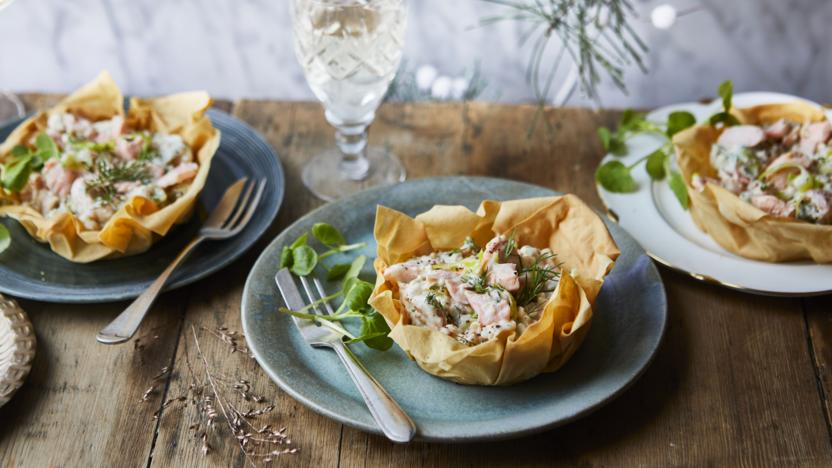

Here’s a manageable menu for ~6-8 guests, with dishes you can do ahead and still enjoy. Feel free to swap in your favourite dishes, but the idea is: one starter, one main + sides, one dessert. Plus a small welcome nibble.
Welcome Nibbles
- Mixed nuts, olives, crispbread and hummus — simple, good for a drink.
- A store-bought loaf of good bread sliced and served with flavoured butter (garlic + parsley) or olive oil + balsamic reduction.
These small touches make guests feel welcomed immediately.
Starter
Roast pumpkin & red pepper soup (with optional chilli oil drizzle)
- Can be made earlier in the day and warmed gently before guests arrive.
- Makes ~6-8 bowls: roast pumpkin + red pepper, blend with stock, add salt, pepper, and a touch of cream.
- Garnish with a swirl of cream and chilli oil if you like.
Main + Sides
Main: Herb-crusted chicken breast or fillet of salmon
- Choose based on your comfort and guest preferences.
- If you do salmon: season with lemon, dill, salt, pepper; bake and have ready about 10 minutes before serving so you’re not rushing everything.
Sides:
- Roast new potatoes & honey-roast carrots (make carrots ahead, roast potatoes last 20 mins).
- Green beans with toasted almonds (beans blanch ahead of time, finish on stove).
- A simple green salad with vinaigrette (prepare the dressing ahead).
Dessert
Lemon posset with shortbread biscuits
- Lemon posset: cream + sugar + lemon juice, chilled in glasses. Easy and elegant.
- Shortbread biscuits: you can buy good quality ones or quickly make them a day ahead.
My extra tip (from personal experience):
I once tried an elaborate five-course menu for 10 guests and ended up spending all night in the kitchen. Now I keep it to three courses and focus on conversation and atmosphere instead of fancy food. Guests appreciated it more, and I enjoyed the evening.
Table Setting & Ambience

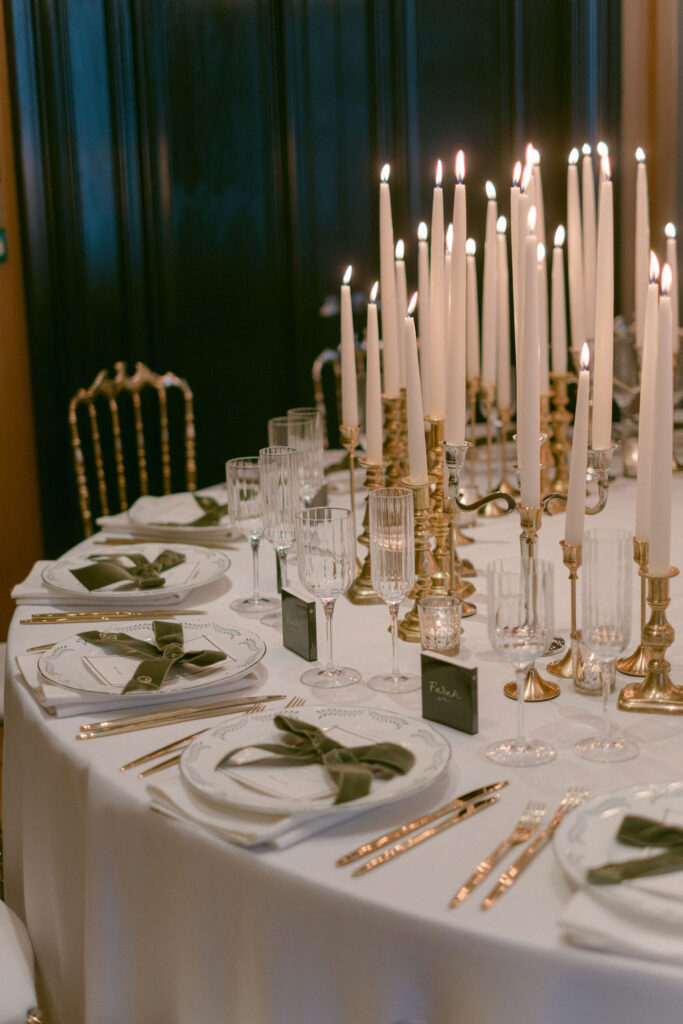

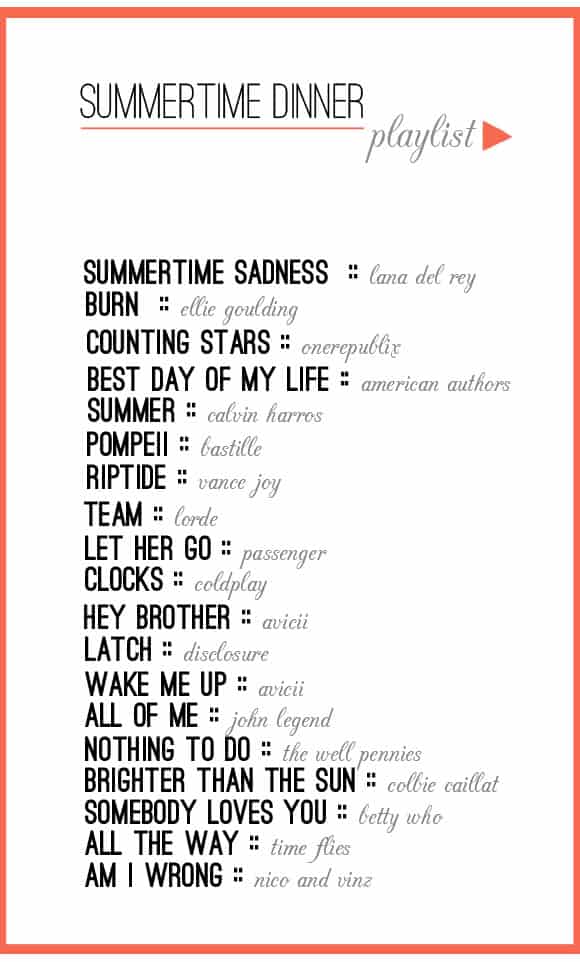
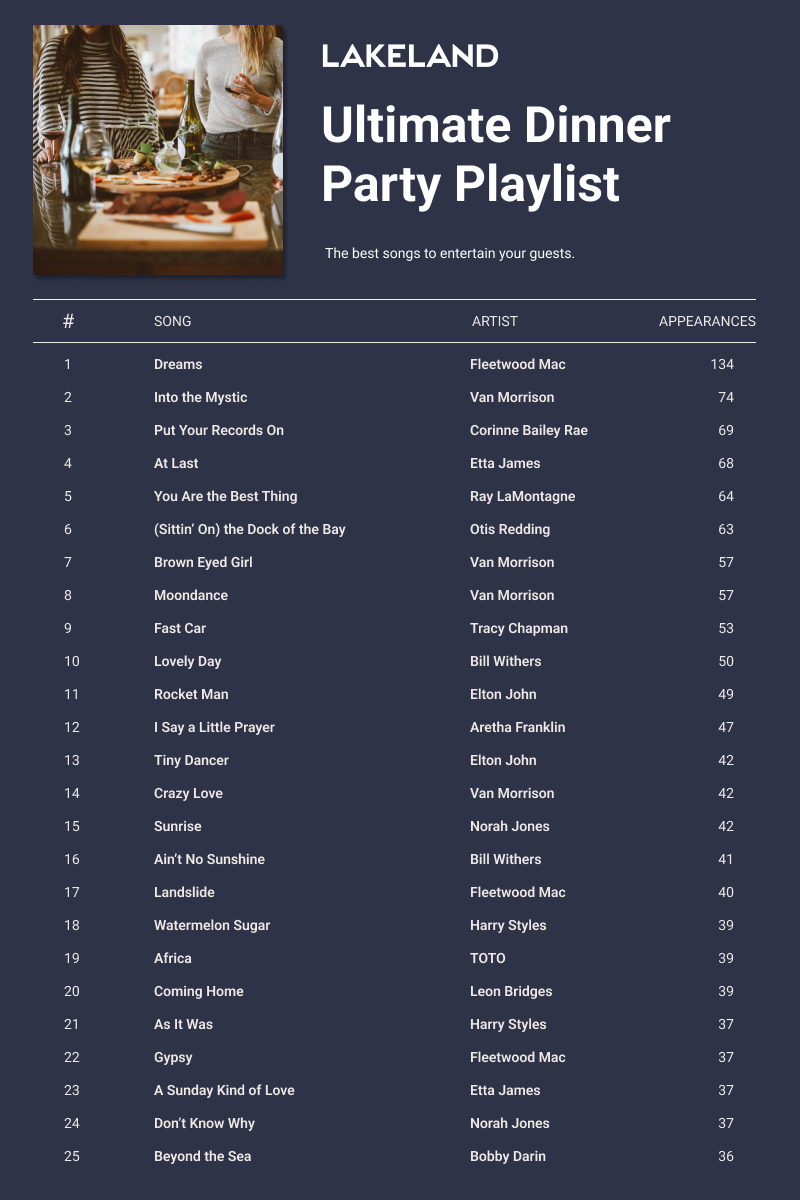
Good food is important, but atmosphere makes it memorable. Here are some practical ways to create a welcoming vibe:
- Table setting: It doesn’t have to be extravagant. Ironed napkins, matched cutlery, and a few candles go a long way. One designer says: “Flowers and candles can be magically transformative.”
- Music: Have a low-level playlist ready. It should let your guests chat.
- Lighting: Soft lighting is more relaxed than overhead harsh lights. Candles + a lamp instead of the main ceiling light = better mood.
- Seating: If guests don’t all know each other, put name cards or pair people intentionally.
- Drinks station: A self-serve area for water, wine, soft drinks helps you keep circulating.
- Small touches: A small bowl of mints on the coffee table, a fresh towel in the bathroom, lit candles in the hallway — these show care without huge effort.
Common Hiccups & How to Handle Them


Even with planning, things can go a bit off. That’s okay — and in fact, your reaction matters more than perfection.
Problem: Guest has unexpected dietary requirement
Solution: Always ask ahead when you send invites: “Any allergies or dietary needs?” Then ensure you have at least one safe option. For example, if one guest is vegetarian, your starter or salad could be vegetarian.
It’s much less stressful than scrambling on the evening.
Problem: Cooking runs late
Solution: Build in buffer time. Your timeline should allow for one dish to be slightly delayed and still fine. According to cooks: start with the dish that takes the longest, and work backward. (The Speckled Palate)
Also: it’s okay to serve starter late — after all, you’re also there to chat, not just serve food.
Problem: Guest arrives early/unexpected
Solution: Have nibbles and drinks ready. When guests arrive, offer something immediately. That way even if the main meal isn’t quite ready, they’re taken care of.
Problem: Host disappears into the kitchen
Solution: If you know you’ll be busy, pick dishes that allow you to step away from the stove and join your guests. I once chose a risotto for a party and realised halfway through I couldn’t leave the stove. For my next one I chose something I could prep and pop in the oven while I mingled—it made a big difference.
Also: set up the drinks/nibbles before the guests arrive so your first minutes are relaxed.
Problem: You feel stressed
Solution: Pause for one moment. Take a deep breath. Acknowledge: Yes you planned, and yes things might not be perfect, but that’s fine. Guests don’t expect perfection—they expect warmth, good food, and goodwill. One source says: “Hosting is as much about your enjoyment as it is about your guests’.” (deglaze.app)
Quick Handy Checklists
What to buy
- Candles, flowers/foliage for table
- Extra napkins, maybe runners or tablecloth
- Serving dishes/bowls if you don’t have enough
- Drinks: wine, soft drinks, water + maybe a simple cocktail
- Shopping list for food (organised by store section)
Day-of tasks
| Time | Task |
|---|---|
| 2-3 hours out | Finish hot cooking, warm potatoes/veg |
| 1 hour out | Set final plates, garnish dish, lights on |
| 15 mins out | Welcome drink ready, nibbles on table |
| As guests arrive | Move to living area, keep drinks topped |
Menu checklist
- Starter ready or easily finished in 10 minutes
- Main course chosen to match your oven/stove capacity
- Side dishes one of which is prepped ahead
- Dessert that’s chilled or prepared ahead so you’re free after main
Final Thoughts
Hosting a dinner party doesn’t have to be a marathon or something you dread. With a simple timeline, reasonable menu, and a little prep you’ll set yourself up for success. Your guests will feel welcome, your home will feel warm, and you will get to be present and enjoy the evening too.
Remember: the host sets the tone. If you’re relaxed and smiling, your guests will feel it too. If something small goes slightly wrong, it’s okay. A friend of mine once turned up 30 minutes late to a “formal” dinner—and it became the funniest anecdote of the evening, and actually relaxed everyone. It didn’t ruin things. It enhanced them.
