


Seasonal Home Maintenance Checklist: What to Do Each Month in the UK


Keeping up with home maintenance can feel like a chore. But by breaking it down into manageable tasks each month — and each season — you’ll save money, avoid stress and keep your home comfortable. I’m writing this as someone who’s lived through a leaky roof in January and a clogged gutter that nearly set an insurer alarm off — so this is practical, not just theory.
Here’s your go-to guide for maintaining your UK home through the year, with real-life tips, personal notes and expert insights.
Why monthly & seasonal maintenance matters
For homes in the UK, the weather swings, the rains come, winter freezes, summer heat (for some weeks) hits — all this takes its toll. According to the insurer-guide site Admiral:
“The best home maintenance tip is to stay proactive. A checklist can help with this.” (Admiral)
They emphasise early spotting of small issues (like a loose roof tile) is far cheaper than dealing with big damage later.
Another article aimed at landlords reminds us: clearing gutters, checking downpipes and looking out for damp can avoid large repair bills. (NRLA)
So: monthly check-ins + seasonal deeper maintenance keeps your home safe, efficient and cosy.
Monthly Quick-Check List
Each month you don’t need huge jobs — just a handful of checks to pick up anything worrying early. I’d suggest scheduling one afternoon each month for a walk-round inside & out.
Monthly tasks:
- Test smoke and carbon monoxide alarms (press test button; if no beep, change battery).
- Check boiler pressure and glance at the boiler for leaks or unusual sounds.
- Look out for signs of damp or leaks: under sinks, around windows, especially after heavy rain.
- Clean in rooms where moisture gathers (bathrooms, kitchens) and check extractor fans work.
- Note any minor repairs: a loose tile, gutter bit hanging down, a roof tile askew.
These are simple, but they stop small problems escalating. (From sources such as Wickes and Move iQ) (wickes.co.uk)
Monthly Breakdown – What to do each month
Here’s a sample month-by-month breakdown with things you might do. Adjust for your house type (terrace, detached, flat) and garden size.
| Month | Key Tasks | Personal Tip |
|---|---|---|
| January | Check heating system working well; clear any obvious ice around drains/outside taps; look for roof tile damage after winter storms. | I found a slipped tile on my roof in Jan after a gale — resolved it quickly rather than discovering the leak in spring. |
| February | Check gutters & downpipes before spring rain; clean out internal air bricks if you have suspended timber floors. | A friend’s house got damp because the air bricks were blocked all winter. |
| March | Spring cleaning spurt: windows, external doors, check for damp, open windows on dry days. (Places for People) | I like to spend a Sunday morning cleaning sash windows and wiping the tracks — feels like a fresh start. |
| April | Garden checks: fences, gates, outside woodwork; clean patios; inspect roof/gutters now winter debris is gone. (cancan.uk) | I use this month to wash outdoor furniture in preparation for summer. |
| May | Check trees and shrubs are trimmed away from house; check exterior paint/stains; look for pests. (Admiral) | We had screeching rats one summer — found a gap under a shed door left unattended in May. |
| June | Indoor deep-clean: curtains, cushions, mattresses; check seals around baths/showers; declutter garage if you have one. (wickes.co.uk) | I always move big furniture and hoover underneath in June — easier with longer days. |
| July | Refresh paintwork on exterior wood; check outdoor lighting and garden wiring; check if chimneys/gas flues need summer service. | We had a patio light wiring fault in July which we spotted before any rain. |
| August | Check roof flashings, external walls and pointing; jet-wash patio/decking; ensure ventilation inside (especially in hot/humid weather). (cancan.uk) | On a holiday in August I asked my neighbour to check the loft — found nests blocking vents. |
| September | Begin winter prep: service boiler, bleed radiators, store away garden furniture; clear gutters again. (Admiral) | I always schedule the boiler service in Sept before the rush in Oct/Nov. |
| October | Check insulation (loft hatch, doors, windows); seal drafts; check external pipes and taps for insulation. (cancan.uk) | I wrap my outside taps with foam covers by late Oct – cheaper than fixing burst pipes. |
| November | Ventilate home (despite cold) to reduce condensation; clean drains of fallen leaves; inspect fence/tree damage from autumn storms. (wickes.co.uk) | After one storm I found a large branch overhanging the house in Nov — removed it before any damage. |
| December | Check for ice/frost damage; keep a close eye on roof, gutters and external walls. Ensure emergency contacts (plumber/heater) are to hand. | I keep a torch and ladder handy near the porch for quick checks after storms in Dec/Jan. |
Expert Tips & Real-Life Stories
- As mentioned earlier, Steve Barnes from Total Landlord warned: “Debris and leaves from autumn and winter can easily block guttering, leading to overflow and water damage.” (NRLA)
In other words: don’t neglect gutters after autumn/winter. - A great tip from a cleaning expert in Scotland: adopt the “burp rule” — open a window for 10 minutes each day (even in winter) to release moisture and prevent mould. (The Scottish Sun)
I tried this during one damp winter and found my kitchen window really benefited — less musty smell, fewer mould spores on the ceiling. - A memorable personal story: one late-October I found the paintwork on our front door starting to flake because the weather turned damp earlier than usual. We stripped it quickly and re-stained before winter. It cost about £120 in materials, but in Spring we avoided having to replace the whole door frame (which could have been £400+).
Seasonal Focus: What to do by Season
Spring (March – May)






Why it matters: After winter’s rain, wind and cold, your home may carry hidden damage or damp. Spring is the perfect time to refresh and prepare for the year ahead.
Key tasks:
- Clear gutters, check for blockages. (Places for People)
- Inspect roof for missing or damaged tiles, moss growth, slipped flashing.
- Clean windows (inside & out) and treat any rot or peeling paint around frames. (Places for People)
- Garden/fencing check: clean patios, clear leaves, inspect fences for rot or damage.
- Check air bricks, ventilation and look under large furniture items for damp/rodent signs. (cancan.uk)
Tip: I block off two consecutive weekend mornings in March for a thorough spring-walk round with a notebook. I mark small jobs, then pick the three worst and sort them by end-of-April.
Summer (June – August)




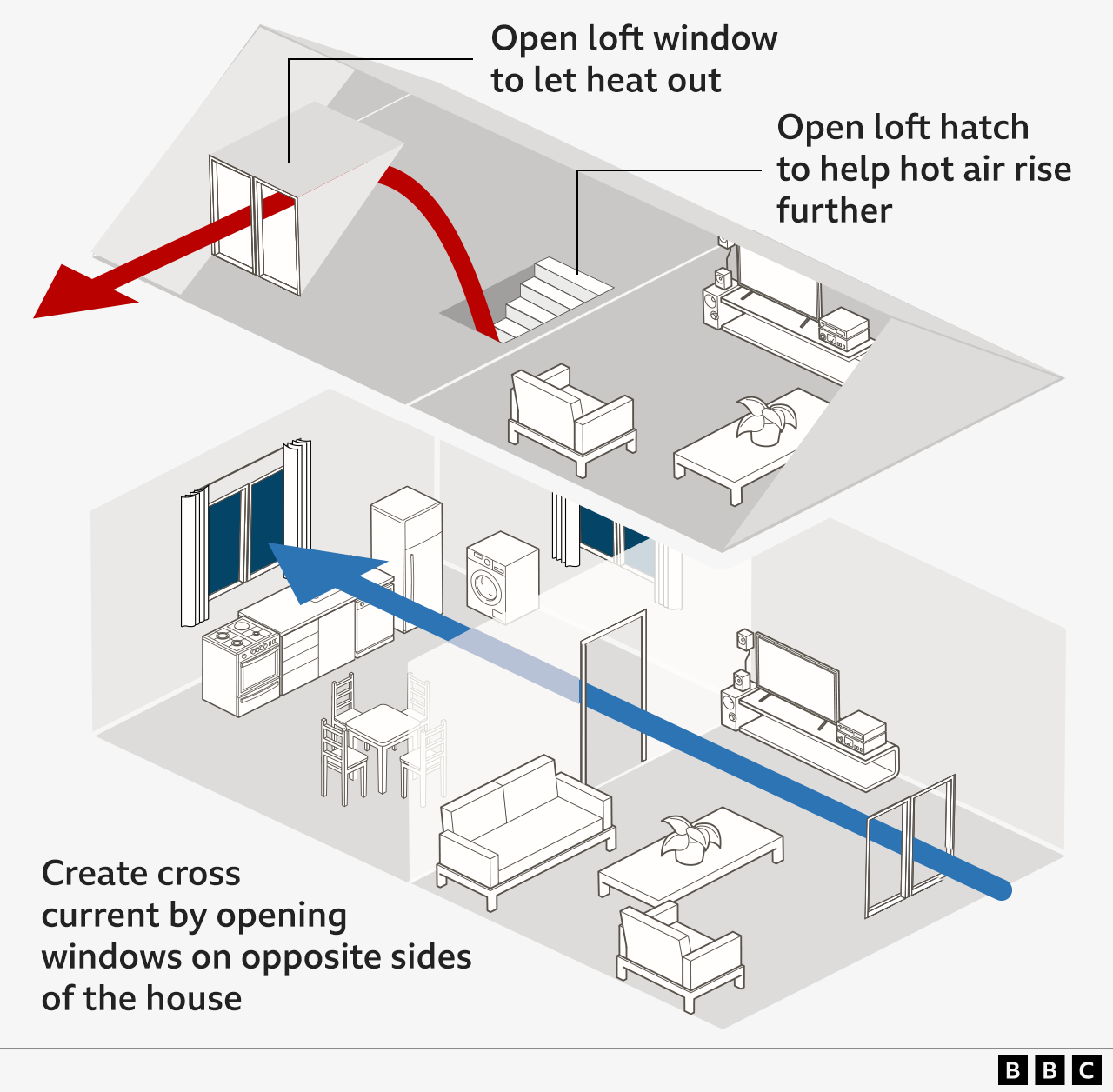
Why it matters: In summer the home gets used differently — more outdoor living, more heat; wear and tear from earlier seasons may show. It’s a window before winter demands begin.
Key tasks:
- Jet-wash patio or deck, repaint fences, treat outdoor woodwork. (wickes.co.uk)
- Trim trees and large shrubs away from the house; reduce roots near foundations. (cancan.uk)
- Check seals around baths/showers and sinks; look for leaks in plumbing. (wickes.co.uk)
- Ventilate rooms well: use trickle vents and open windows when possible to prevent mould build-up and keep indoor air fresh. (Admiral)
Tip: One summer I found the garden furniture staining (just as we had guests) because the previous winter had been wet. I saved money by cleaning and re-staining it in July rather than buying replacements.
Autumn (September – November)




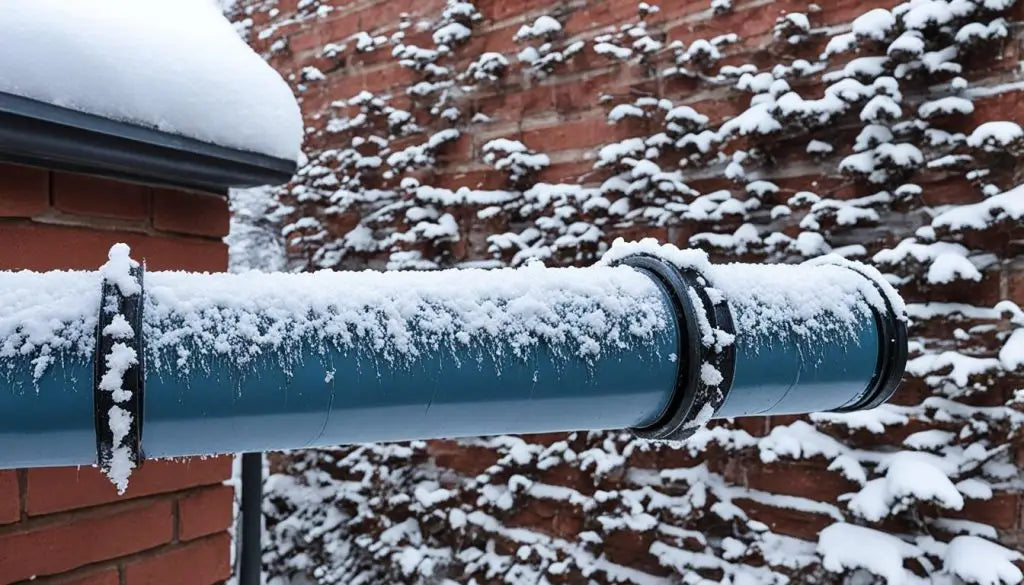
Why it matters: Autumn is the buffer before winter. You want your home ready for cold, damp, wind and frost. The better prepared you are, the fewer emergency fixes.
Key tasks:
- Service boiler and heating system; bleed radiators. (cancan.uk)
- Clear gutters and drains of autumn leaves and debris. (wickes.co.uk)
- Seal drafts: around doors, windows, check insulation, check external pipework. (cancan.uk)
- Garden: store away outdoor furniture; cut back trees that could fall in storms; check external walls and decking.
Tip: I always free up budget in October for any minor heating or insulation work I spot — it’s easier than emergency repairs in January.
Winter (December – February)






Why it matters: Cold, wet and wind in the UK can cause damage: burst pipes, roof leaks, mould from condensation. Winter is when things go wrong if not prepared.
Key tasks:
- Check outside taps and pipes for freezing; insulate where needed. (cancan.uk)
- Ventilate home even if it’s cold: extractor fans on, windows open briefly to reduce condensation and mould. (wickes.co.uk)
- After each storm or gale, glance at roof for slipped tiles, check gutters again.
- Ensure emergency numbers handy: plumber, heating engineer etc. Identify any insurance rules (some insurers expect maintenance).
Tip: One foggy January morning I heard dripping in the loft. Didn’t ignore it — found a slipped tile and fixed it the same week. Delaying could’ve turned into damp, insulation damage and a bigger bill.
My Favourite Extra Tips
- Use a notebook or app: Jot down what you checked and when. I keep a small A5 notebook titled “Home Maintenance” and write date/tasks. Builds a pattern.
- Prioritise the 3 worst jobs: After each season I pick top three things to fix. I find otherwise the “to-do list” grows endlessly.
- Budget for maintenance: Think of it like subscription cost of owning a home. Last autumn I budgeted £300 for general repairs; it saved me from a £1,200 job in January.
- Don’t be afraid to call professionals: Especially for gas, electrics, major roof work or anything you’re unsure of. As Admiral’s guide says: if you’re unsure, call in the experts. (Admiral)
- Use the lighter days: In spring and summer, when it’s lighter and safer to climb ladders or inspect gutters — do it. In winter these tasks become trickier (dark, icy).
- Check your insurance policy: Some policies expect you to keep the home in good condition (cleared gutters, no obvious neglect). If you don’t, could risk voiding cover. (NRLA)
Final Thought
By doing small, regular maintenance tasks and suitably timed seasonal checks, you’ll save stress, avoid big bills and keep your home feeling comfortable year-round. Think of it as caring for your home rather than just reacting when things go wrong.
Set aside maybe an hour a month, mark 2-3 hours at each season shift, and you’ll be ahead of the game. When I follow this system, I find I spend far less on emergency fixes, and I sleep better knowing things are under control.
