


Budget-Friendly Home Décor Ideas That Look Expensive

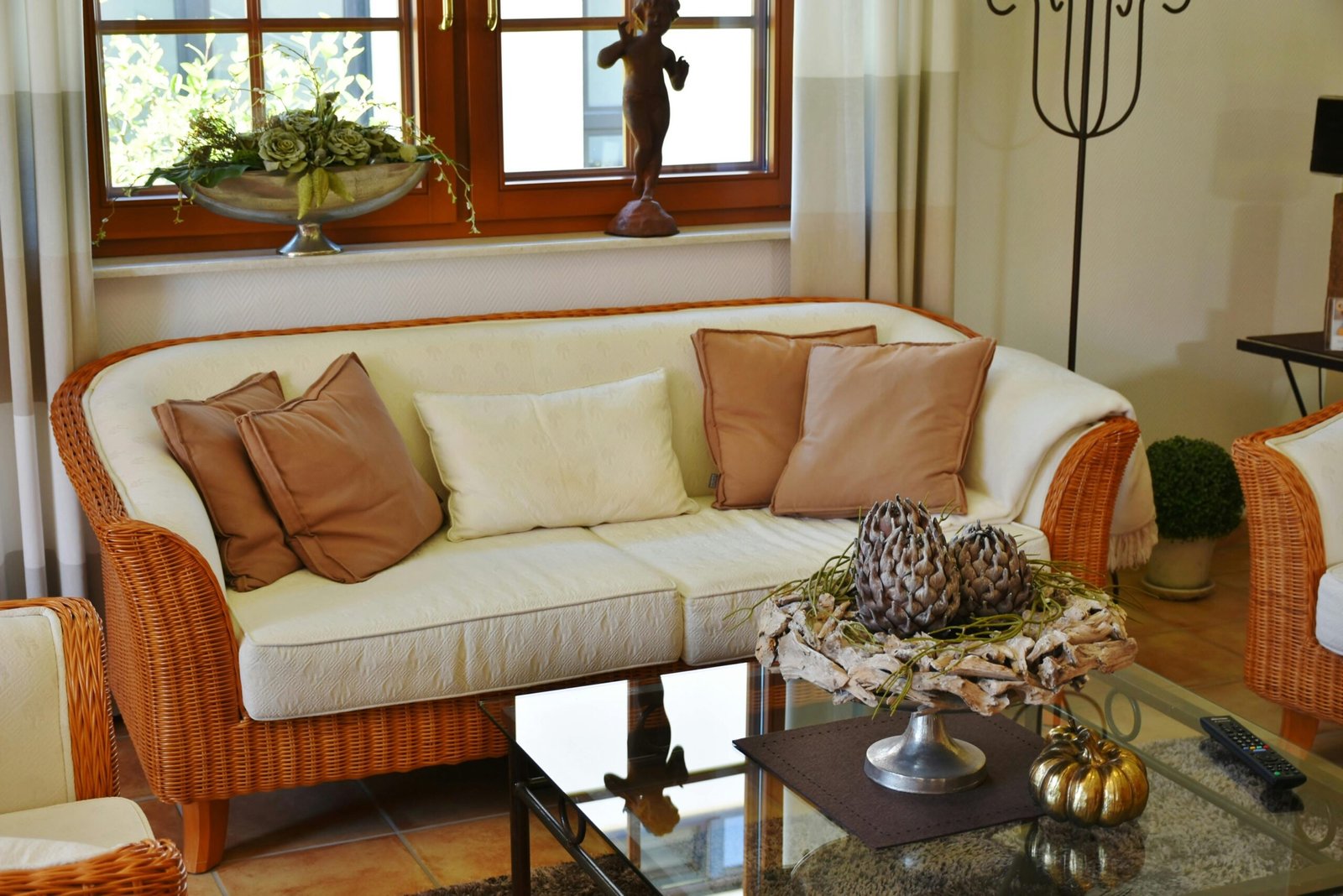
If you’ve been gazing at glossy interiors magazines and thinking “I wish my lounge could look like that”, here’s some good news: you absolutely can pull off a look that feels high‑end without spending a fortune. I’ve pulled together tried‑and‑true tips, my own mini‑makeovers, and expert advice—so this isn’t just recycled fluff but ideas you can actually use in a UK home.
Why this matters
Decorating can feel expensive, but many of the things that give a home a luxe feel don’t cost much if done smartly. As one expert put it:
“Decorating on a budget doesn’t have to mean sacrificing on style…” (Ideal Home)
Another said the trick is less about the price tag, more about cohesion, texture and thoughtful details. (The Royce Furnishings)
I found in my own small flat that simply upgrading one piece of furniture and re‑arranging the layout made the space feel entirely different—more restful, more polished.
1. Start with a declutter and base‑fix
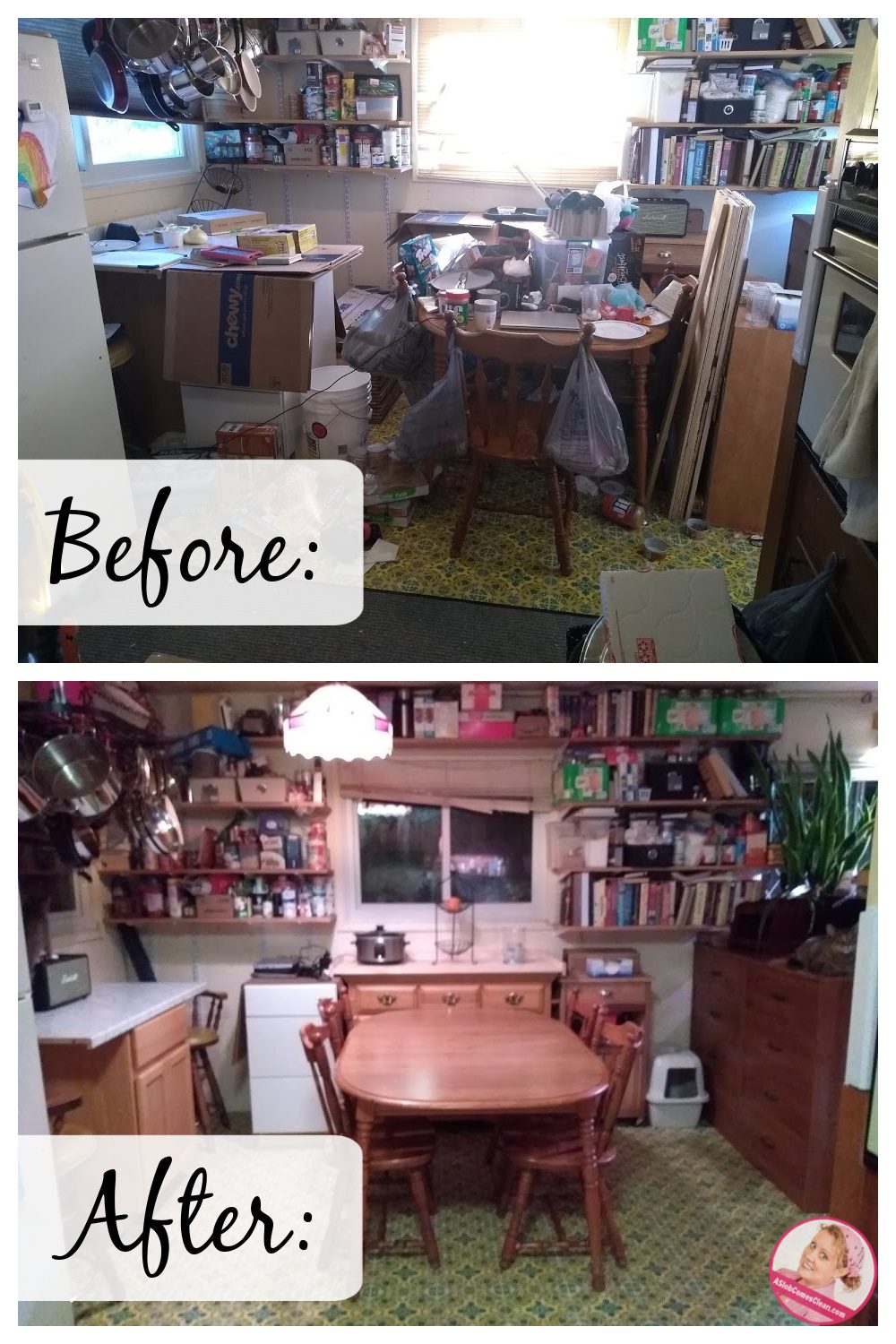
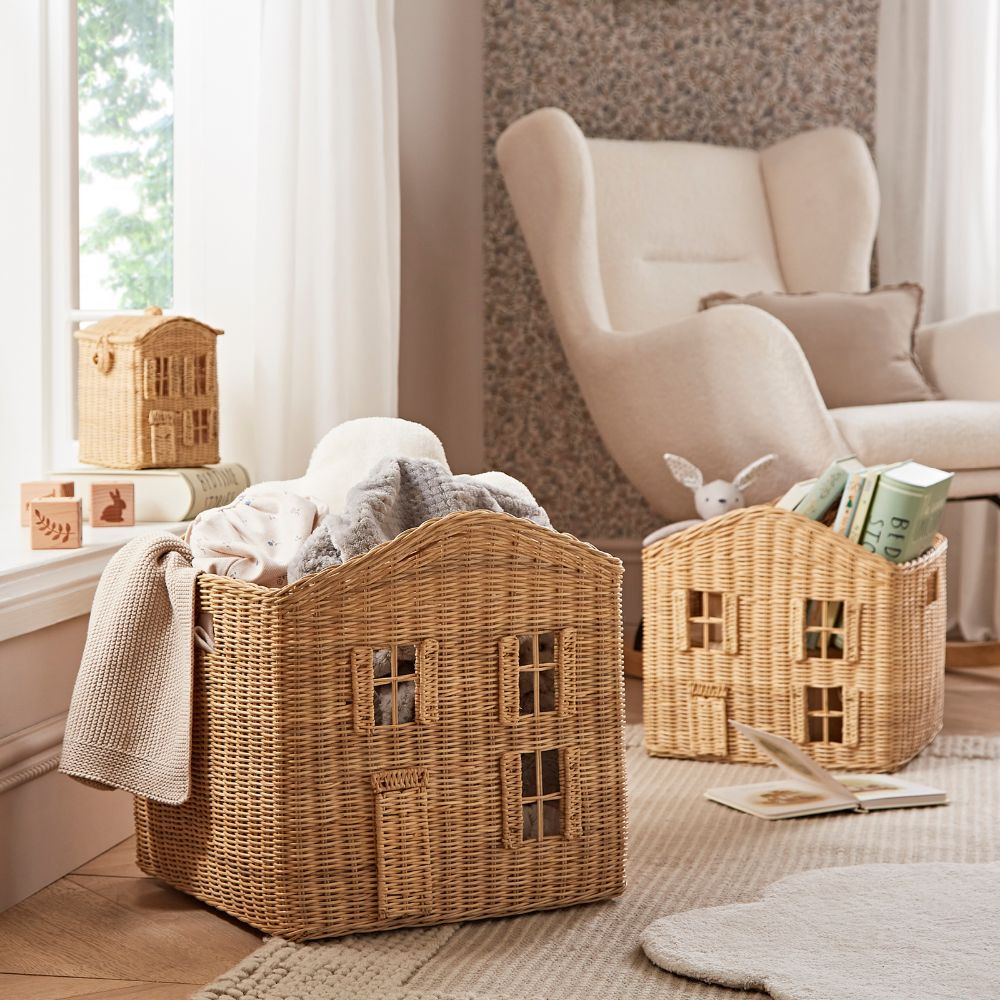
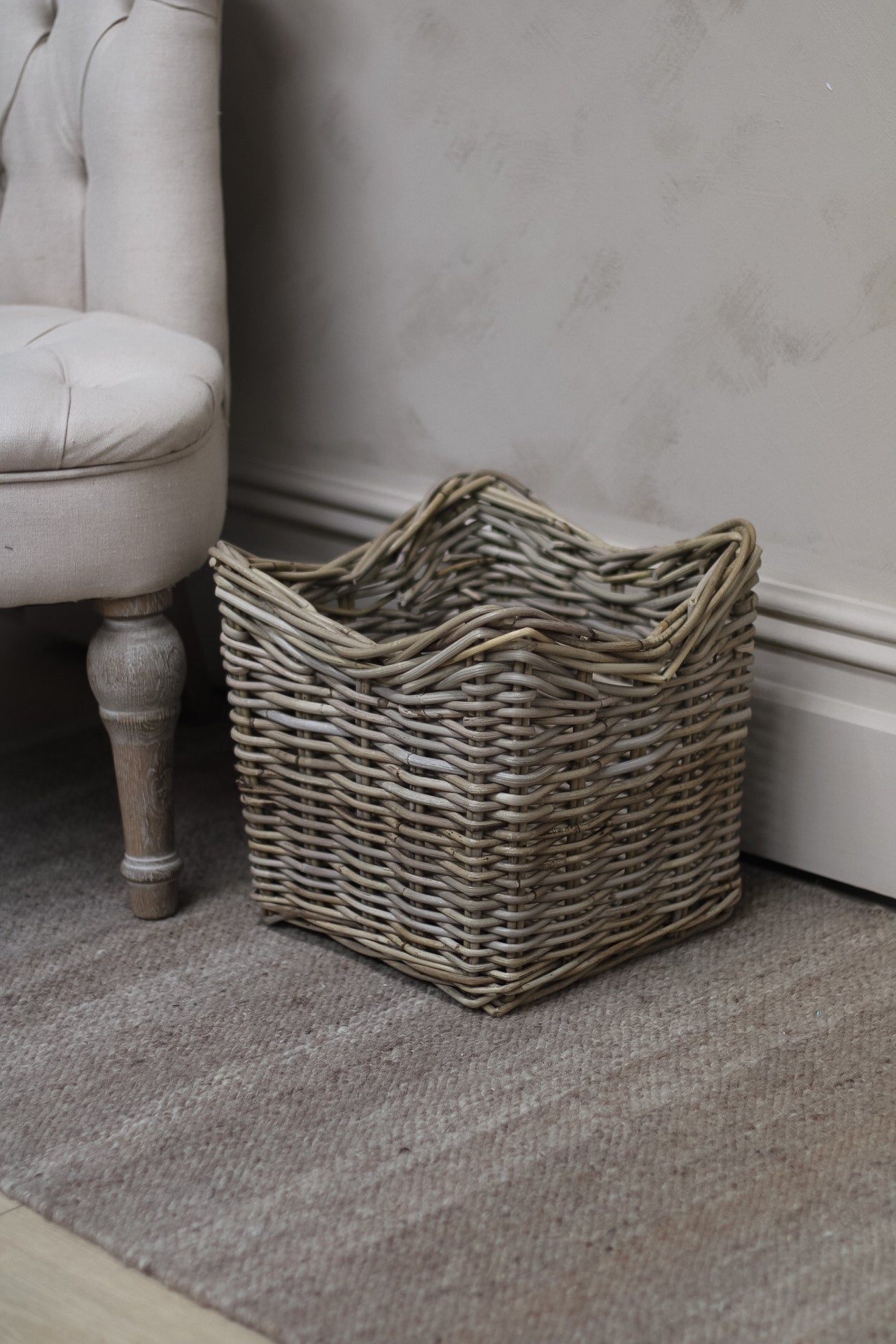


Before you splash cash, sort the foundation.
- Clear surfaces: A table strewn with papers, mugs and random bits instantly looks messy, and messy = cheaper.
- Remove or store items you don’t use or don’t love. I had a box of “random bits” on my sideboard: once it went, the room breathed.
- Choose a simple palette for walls/floor furniture. Neutrals give a more expensive feel because everything appears coordinated. The magazine Ideal Home noted: “stick to key areas that will easily give a room a newly designed feel” when working on a budget. (Ideal Home)
- Fix the base: if your paint is scuffed, wallpaper peeling, floor dirty—those things make even expensive items look cheap. A fresh lick of paint and a proper clean make a surprising difference.
Pro tip: After decluttering, stand in the room and ask: “Could I walk in here & bring a visitor and feel proud right away?” If not, fix what’s under‑the‑surface before buying anything new.
2. Invest (just a little) in lighting & focus pieces
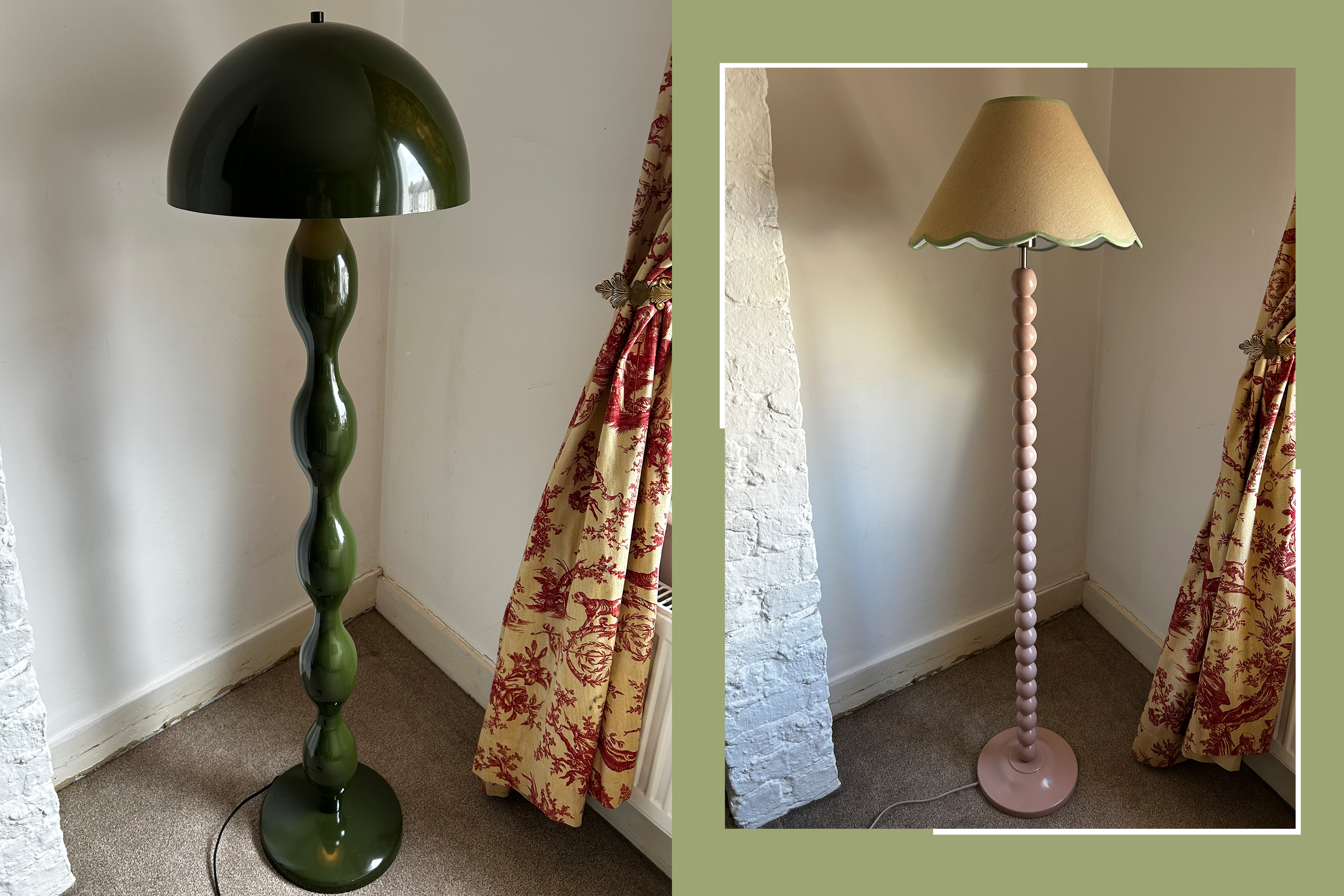

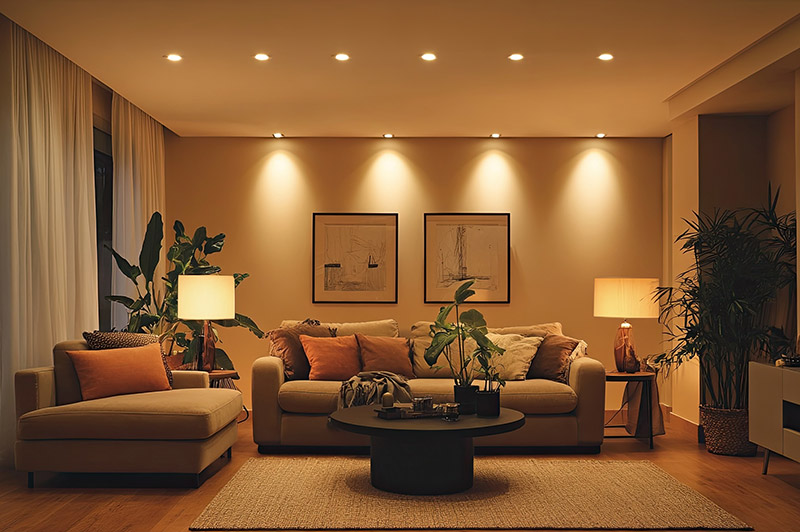

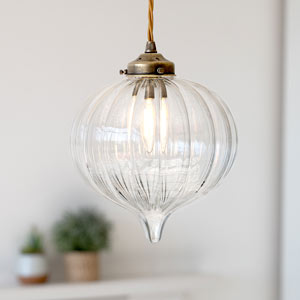
A big part of that “looks expensive” vibe comes from lighting and one or two standout pieces. According to a lighting expert:
“Layering lighting is a thing and it’s a big one.” (The Scottish Sun)
Key steps:
- Add more than one light source: ceiling, table/floor lamp, maybe wall lighting. This creates depth.
- Choose warm light (2700–3000 K) not harsh white.
- Swap out a basic shade for something textured or in a slightly luxe finish (brass, matte black, rattan). I swapped a cheap white shade for a woven rattan one in my hallway and the change was subtle but noticeable.
- Pick one “focus piece” per room: maybe a bold armchair, a smart coffee table, or a mirror with an interesting frame. One article suggested you don’t need to splurge all over—just pick one centre piece and build around it. (The Royce Furnishings)
Budget tip: Keep an eye on second‑hand furniture websites or charity shops for that one smart piece, then pair with cheaper complementary items.
3. Use paint & texture smartly
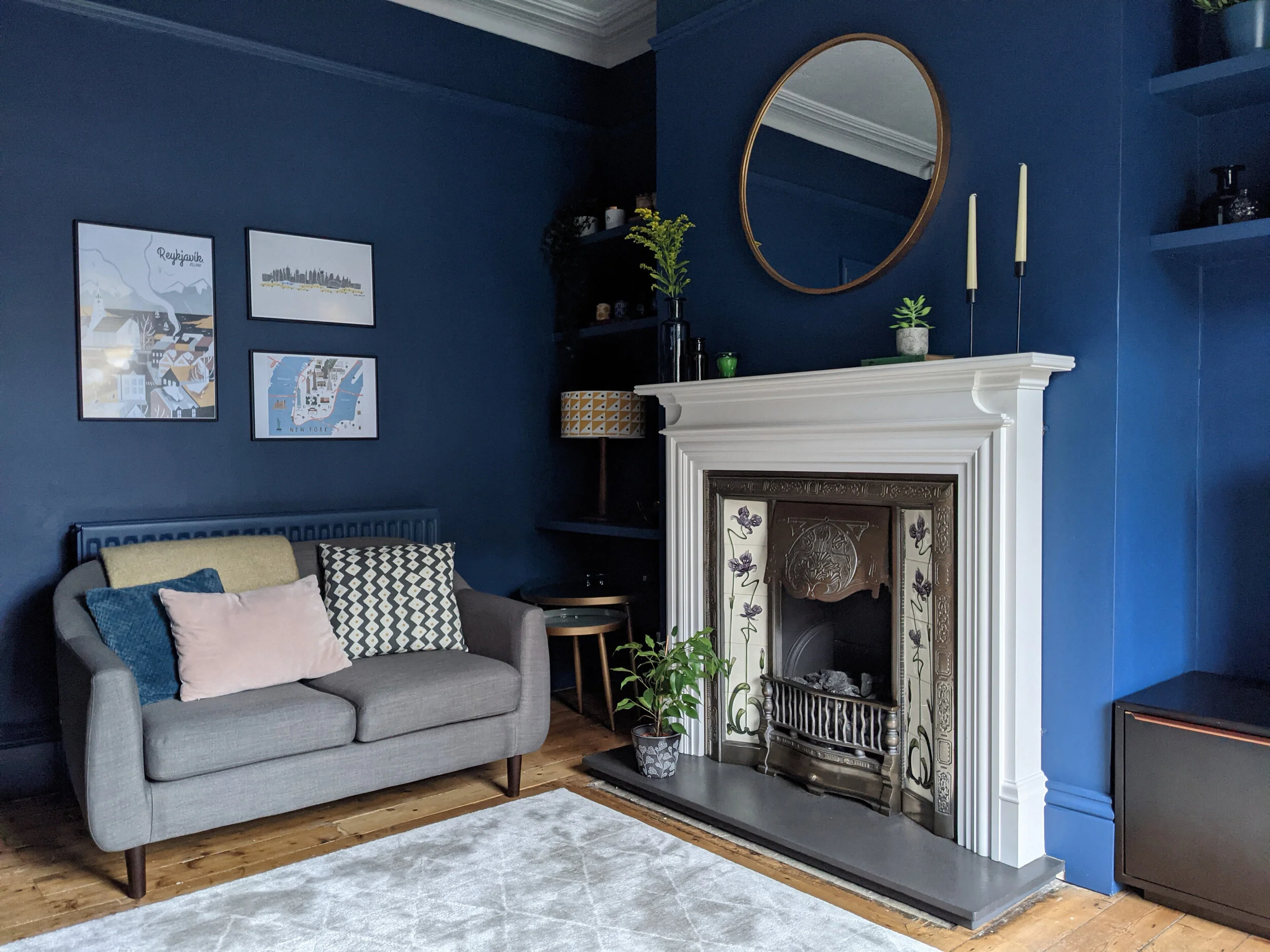

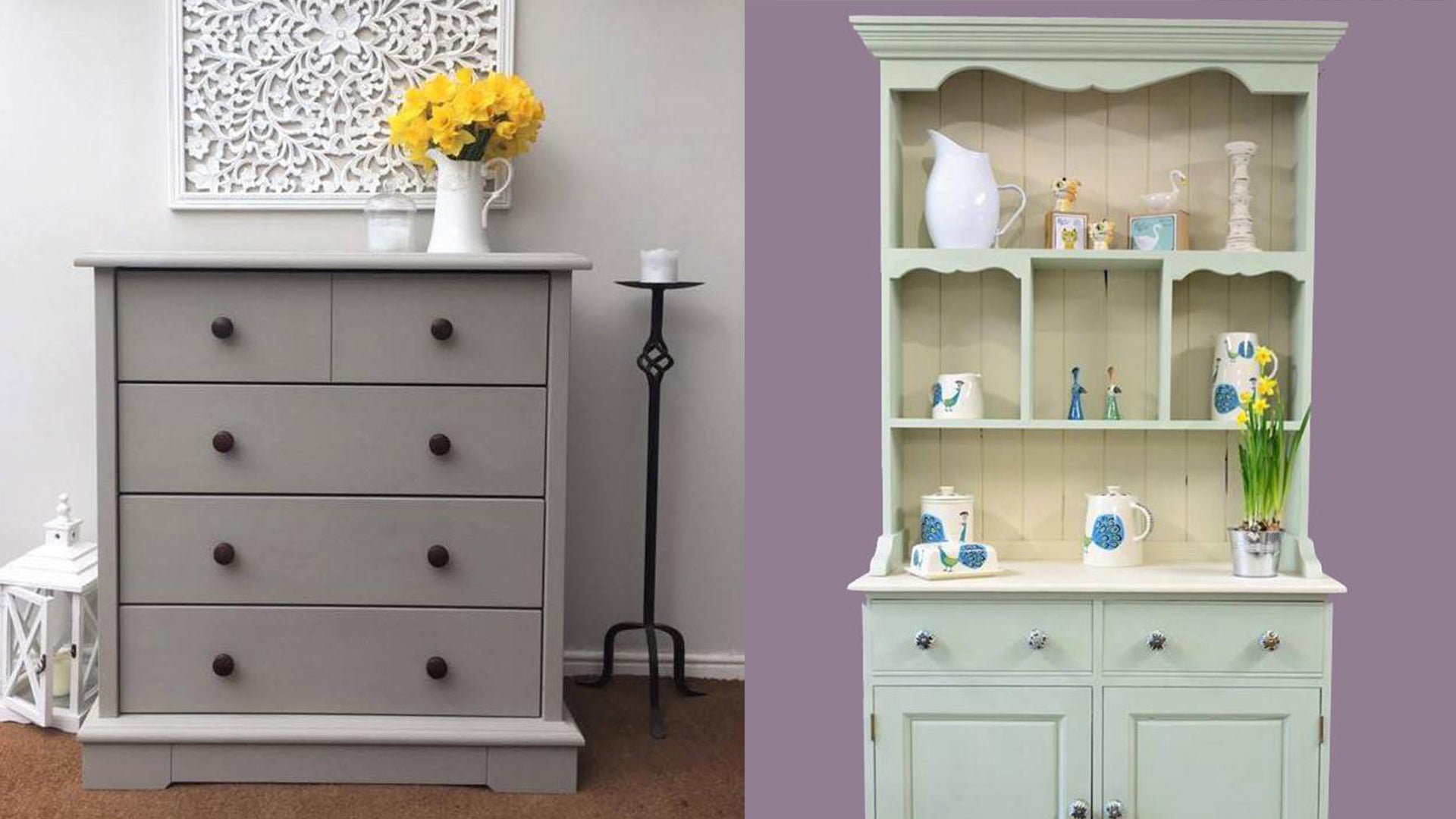

Paint is one of the most powerful tools and often one of the cheapest. The Guardian’s interior‑designer round‑up advised:
“Paint is transformative… start small by painting furniture.” (The Guardian)
Here’s how you can use that:
- Feature wall: pick one wall a few shades darker (or a contrasting colour) and keep the rest neutral.
- Paint doors/trim the same colour as walls (one of my favourite tricks) so everything blends and the room feels bigger and more expensive.
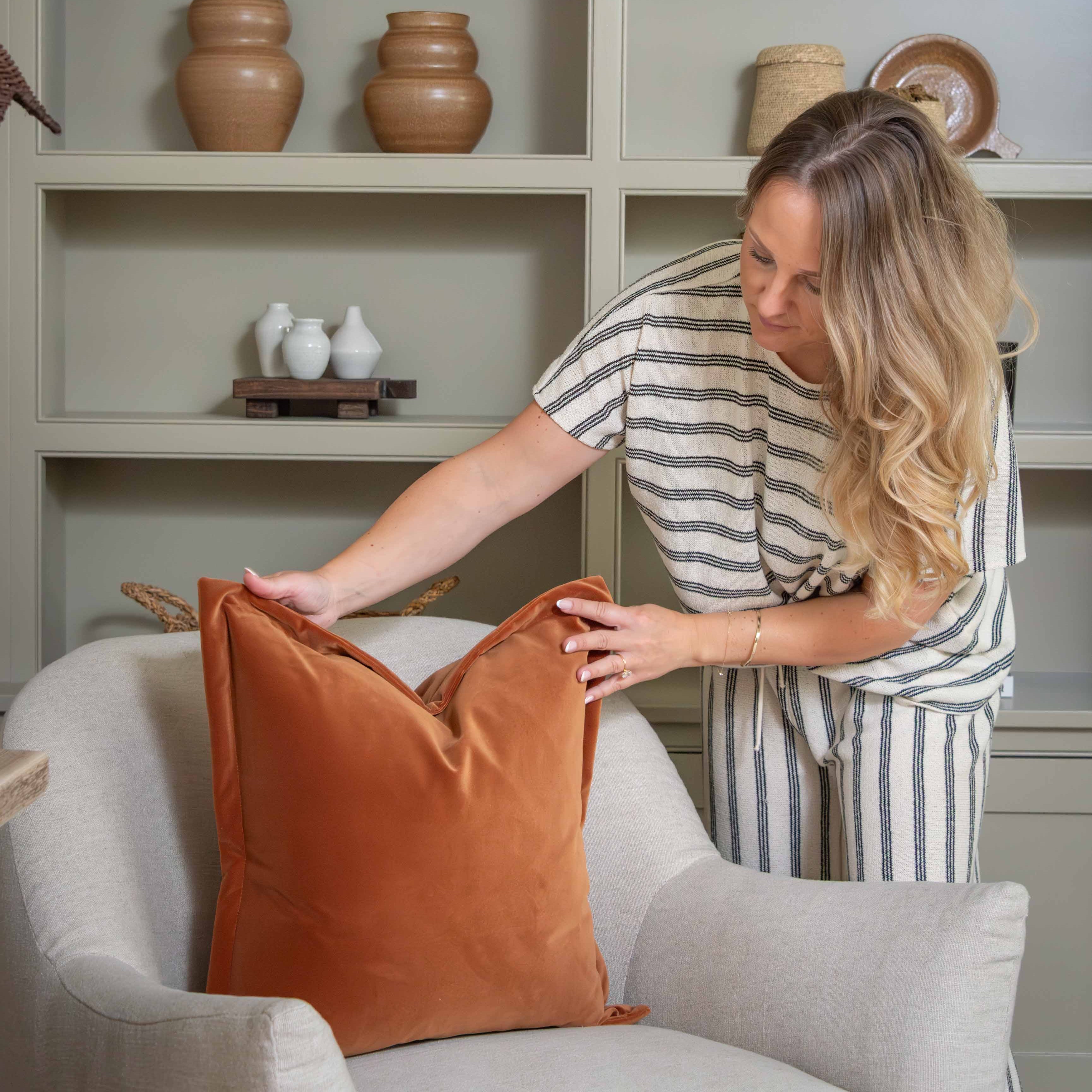
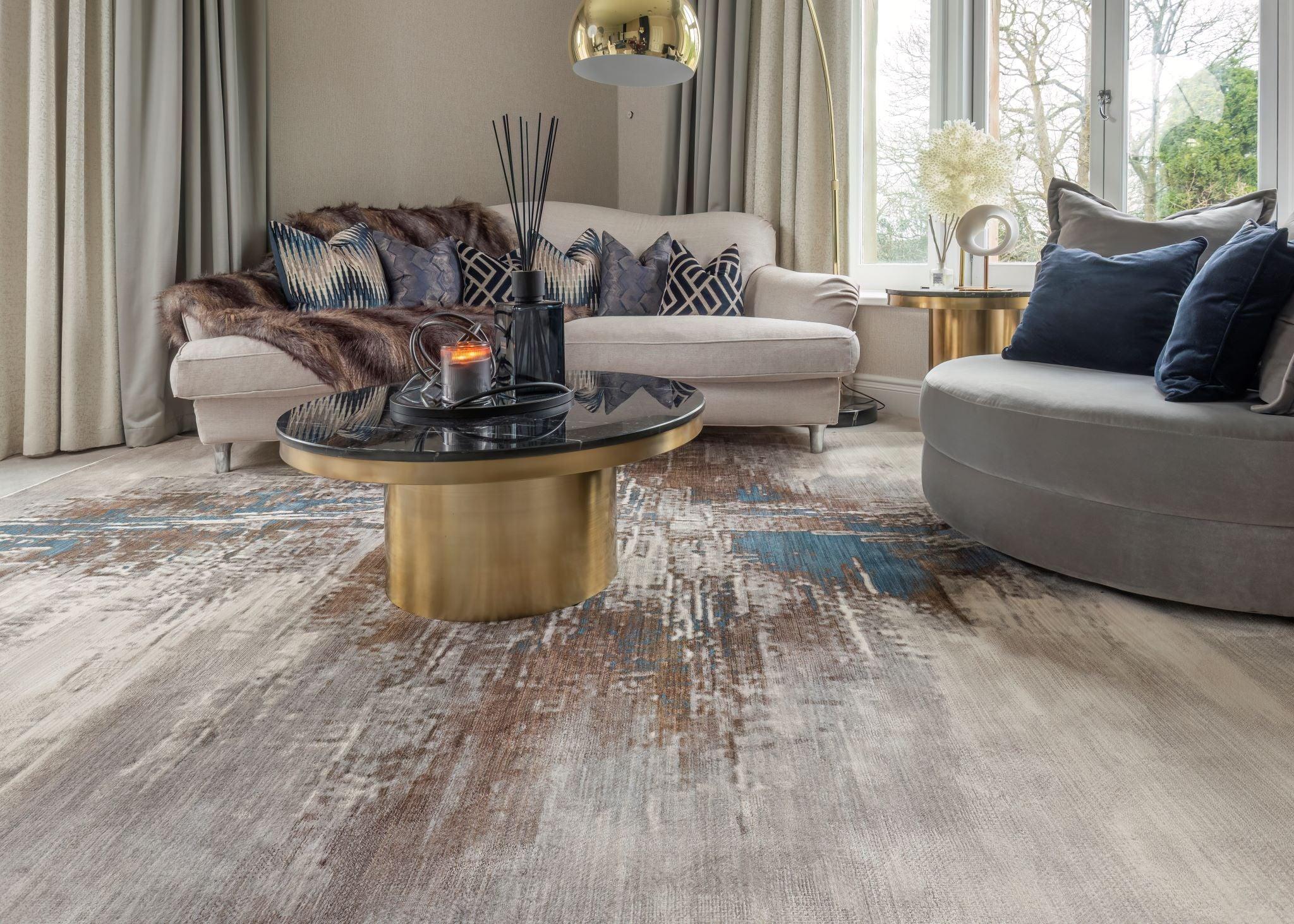
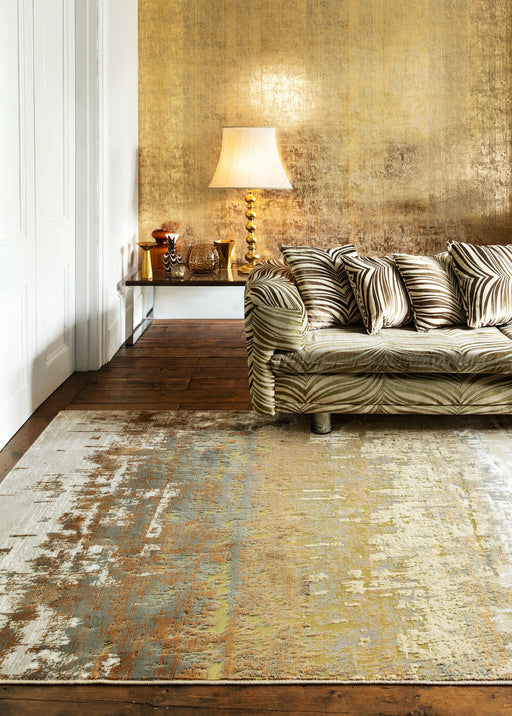
- Introduce texture: soft furnishings in velvet, linen, or even a faux‑fur throw add layering and give a more luxurious feel.
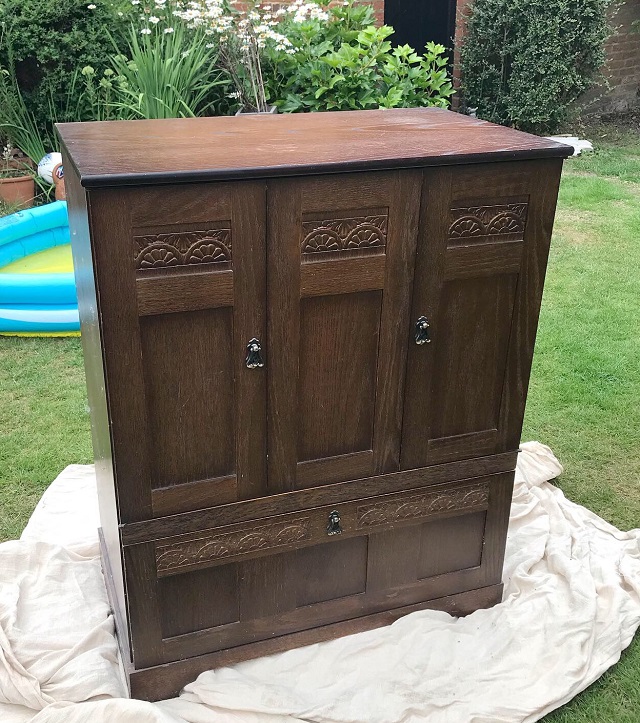
- Upcycle furniture: I once found a plain chest of drawers (£20 at a sale) and sanded + painted it in “in‑fashion” colour and it looked like a designer piece. As one article said: “Furniture can be expensive though, so you won’t want to buy an entirely new set.” (Ideal Home)
4. Smart soft‑furnishings & finishing touches


These are the polish bits that turn “okay” into “wow”.
- Rugs: A large rug under the front legs of the sofa and chairs makes the space feel anchored. One designer said going large with rugs makes a room feel more coherent. (The Guardian)
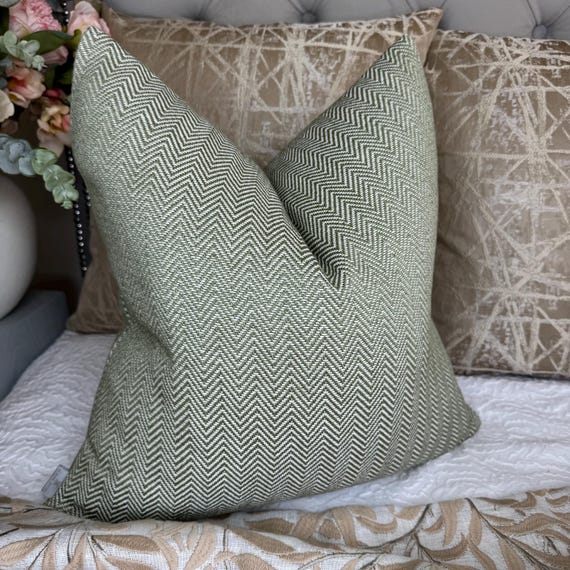
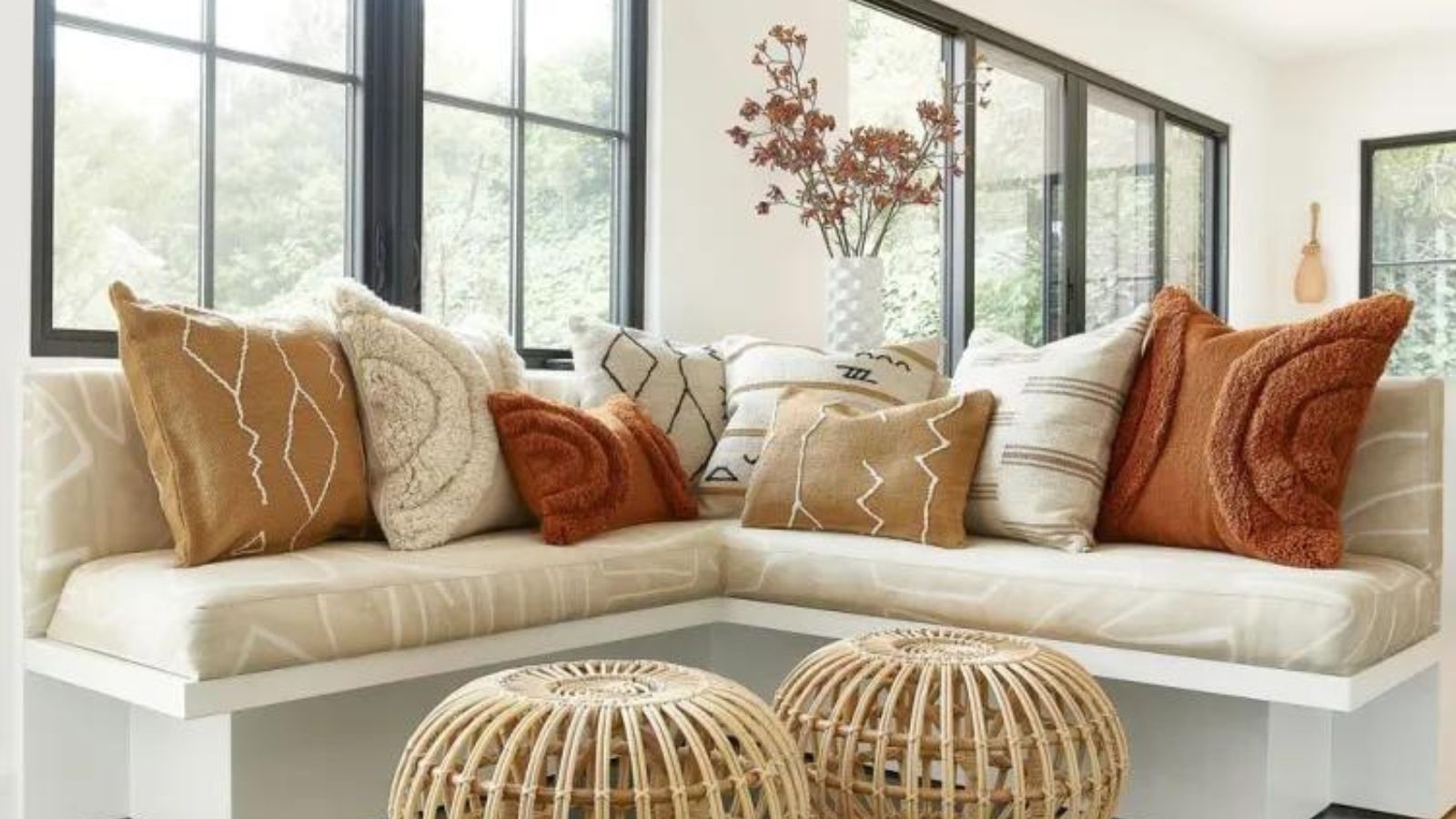
- Cushions & throws: Changing even just two cushions in your living room gave me a fresh feel for a small spend. Use pattern + texture.
- Mirrors: Big mirrors reflect light and make a space feel bigger. Swap basic frames for more elegant ones.
- Artwork & accessories: You don’t need expensive originals. Frame wallpaper samples, use IKEA prints, or rearrange smaller pieces creatively. According to Ideal Home: “You don’t have to pay a lot of money for expensive art … you can create it yourself.” (Ideal Home)
- Plants: Real or high‑quality faux plants; they bring life and texture.
Personal note: I swapped out plain white cushions for two in rich emerald green velvet and one in burnt orange linen. Suddenly the whole room felt more cohesive, richer, and the focus piece (a side table) seemed more “designer”.
5. Know when to save and when to splurge



A key skill: prioritising what matters. From decorating websites:
“Know when to spend and when to save.” (mybespokeroom.com)
Spend a little more on:
- Items you use every day (sofa, bed, dining chair) – they need to be comfortable, durable.
- Lighting (good quality bulbs/lamp shades).
- Large rugs (if you can stretch).
Save or upcycle:
- Accessory pieces, decorative items.
- Frame upgrades rather than full art purchase.
- Scraps of fabric for cushions, old furniture revamped.
- Charity & second‐hand finds: experts say not to underestimate vintage buys: “Experts advise buying second‑hand items instead of always new.” (Real Simple)
Also note: buying everything at once can stretch budget and you might end up with a mismatched look. Step by step works better.
6. Layout, space and the ‘big picture’


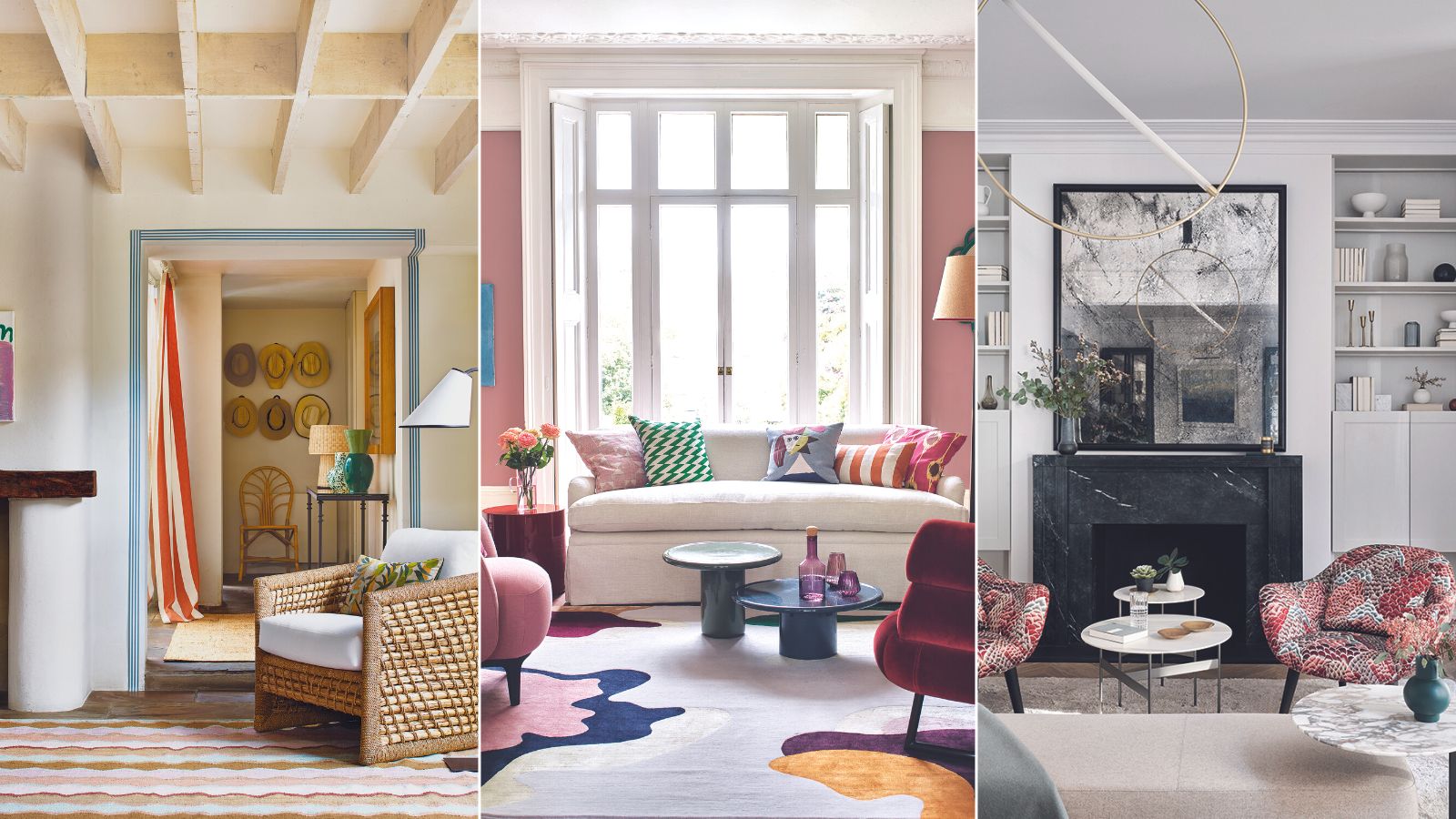
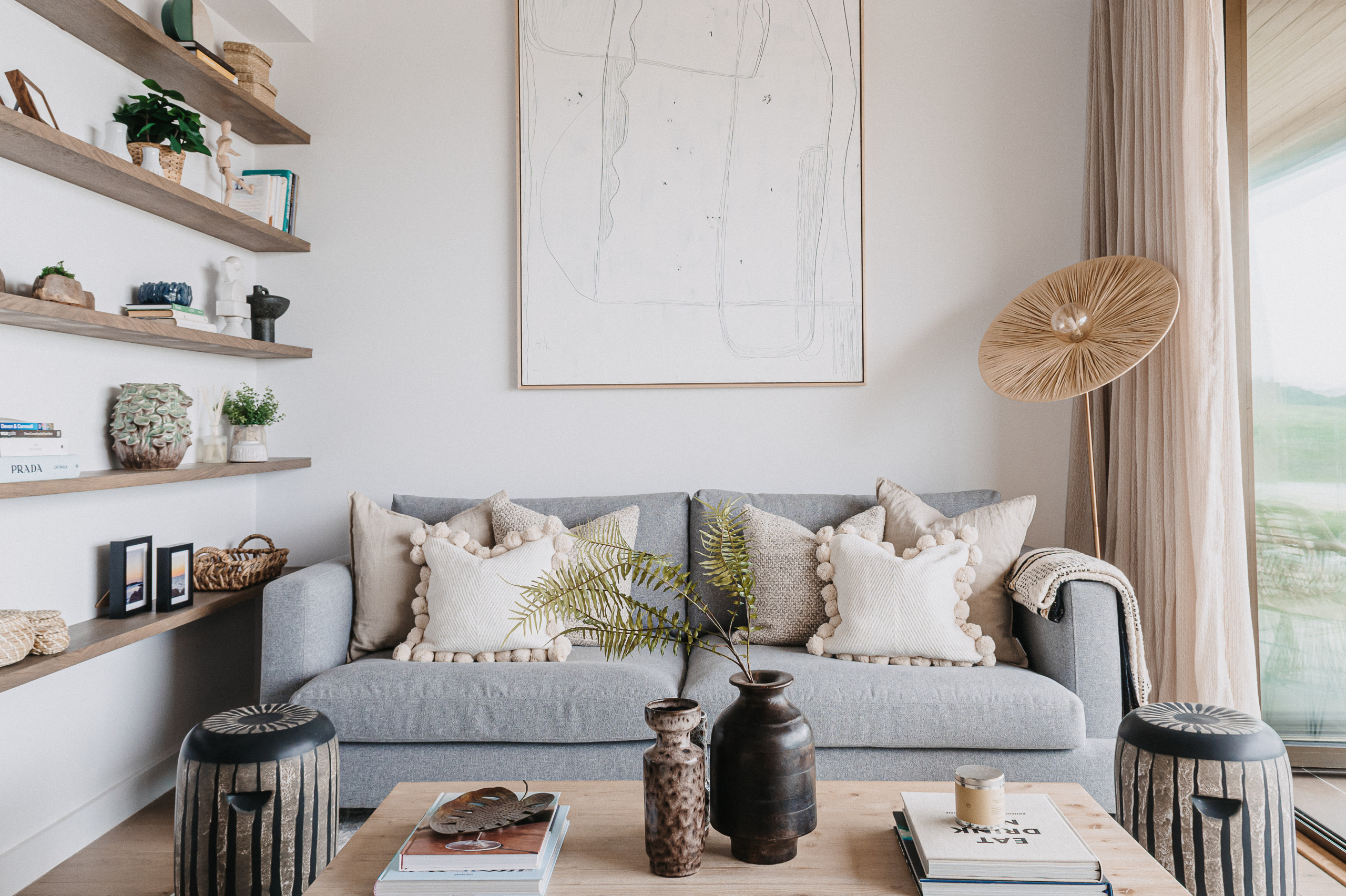

No matter how beautiful your pieces are, a cramped layout or cluttered space makes even high‑end items look messy. Some tips:
- Leave enough walking space and avoid pushing everything to the walls.
- Choose furniture with clean lines—not super ornate—so the room feels calm. Experts warn that overly trendy or busy décor can make the space look dated quickly. (The Sun)
- Declutter surfaces and shelves; let a few key items shine rather than competing pieces.
- Keep your colour palette consistent across the room so it looks cohesive.
- In smaller UK homes especially, fewer but better (or better styled) items work better than trying to fill every corner.
7. Budget refresh plan you can follow
Here’s a simple stage‑by‑stage you can follow over a few weekends.
| Weekend | Focus | Budget‑friendly action |
|---|---|---|
| 1 | Declutter & paint | Clear surfaces; paint feature wall or a piece of furniture. |
| 2 | Lighting & flooring | Add layered lighting; consider affordable rug or swap shade. |
| 3 | Soft furnishings & artwork | Update cushions/throws; hang new or DIY artwork. |
| 4 | Statement piece & accessories | Acquire second‑hand showpiece; decorate shelves with styled items. |
You don’t have to finish everything in one go. Progressively upgrading avoids overwhelming your budget and the space.
8. My real‑life makeover story
In my own flat: I had a cramped lounge with mismatched cushions, an old rug and a dated coffee table. I spent around £150 over three weekends:
- Weekend one: cleared lots of bits (old mugs, magazines), painted the side table in a dark charcoal.
- Weekend two: bought a decent floor lamp (£45) and swapped cushions.
- Weekend three: sourced a second‑hand coffee table (£30), gave it a sand & varnish, added a large jute rug (£60).
The result? The lounge felt bigger, calmer, cleaner, a bit “magazine‑worthy” without costing thousands. It’s proof you don’t need to empty your savings to get a stylish home.
9. Mistakes to avoid
- Buying everything new at once (budget gets blown, style incoherent).
- Mixing too many finishes (e.g., brass, chrome, shiny plastic) that clash.
- Ignoring the lighting and layout. Remember: no matter how pretty the items, if the space is dark or cluttered it will feel cheap.
- Following trends blindly. Experts say overly trendy decor can date fast and undermine a high‑end look. (The Sun)
- Skipping measurements and proportions. A large rug that’s too small, or a statement lamp that’s physically too big, will look off.
10. Final thoughts
Creating a home that feels expensive on a budget is absolutely doable—especially when you focus on smart choices, good lighting, texture, and a clear plan. The difference is in how you spend, where you prioritise, and how you pull everything together into a harmonious whole.
If you’d like, I can pull together a downloadable checklist of budget‑friendly décor upgrades (with UK shops & price ranges) for you. Would that be helpful?
